
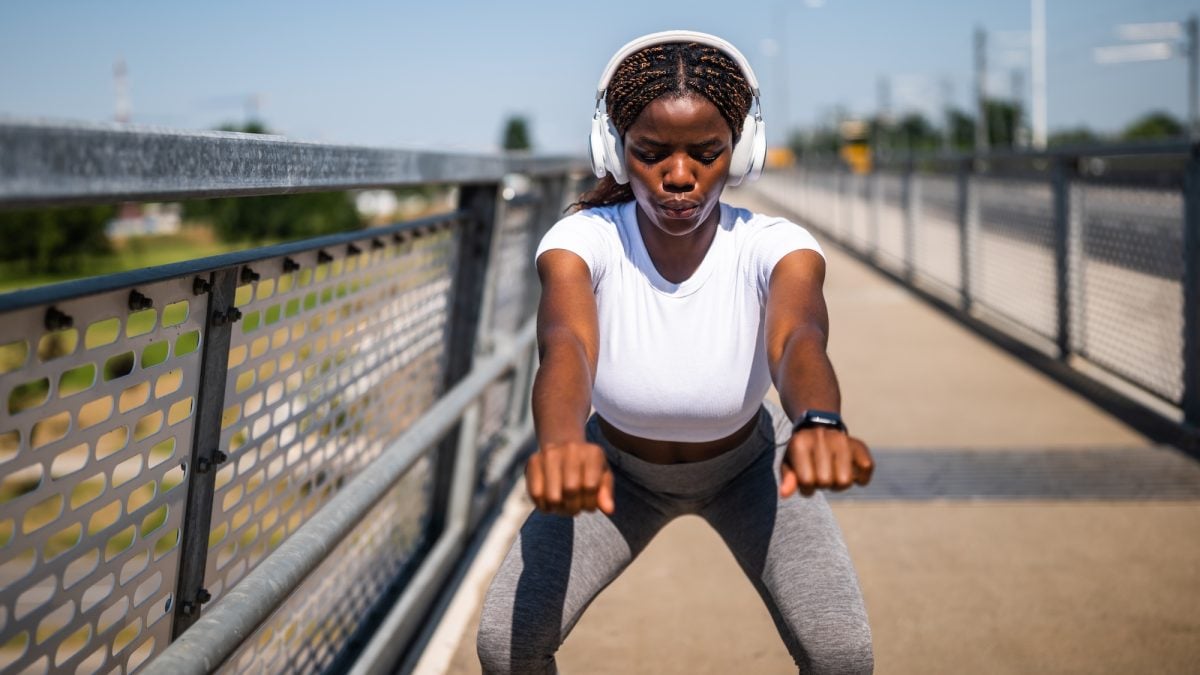
According to several specialists interviewed by the Huffington Post, squatting regularly is a gesture that is both simple and powerful. It requests many muscle groups, improves balance and maintains the health of the joints. And above all, it could avoid many future pains … provided you make it a habit.
How to squat improves the health of your joints
The Physiotherapist Justin C. Lin is formal: “This equilibrium game targets several muscle groups, stretching both the back, the hips, the knees and the ankles“. When the joints are burned down, the joints are loaded, which stimulates their functioning and the nutrition of cartilage. A natural mechanism, but under-exploited in our sedentary lifestyles.
Keeping the heels on the ground and the weight well distributed, the deep squat becomes a dynamic stretch of the whole body. Lin specifies that this movement can help prevent stiffness, whether they are linked to genetics, lack of activity or past injuries.
But be careful not to do too much. Psychotherapist Bahram Jam recalls that “On the other hand, maintaining a posture or a position for too much time is not always good because it can irritate certain parts of the body“.
Why stay crouching too long can be risky
As often, it is the dose that makes the poison. Sports coach Bryan Ausinheiler, who notably accompanies hockey guards, warns against the side effects of an extended squat: “When they squat for long periods, they tend to develop hip problems“.
This prolonged posture could also disrupt blood circulation: “The deep squat can cut the blood supply in your leg. Your feet and legs can then rush“, He specifies. The appearance of chronic pain or osteoarthritis is therefore not to be excluded from particularly sensitive or already weakened people.
“”In reality, it all depends on the body of each“, Underlines Bryan Ausinheiler. The most important thing is therefore to vary the positions during the day, and not to force on postures held for too long. The objective: to keep the benefits of the movement without suffering from the drawbacks.
Finding the mobility of a child is possible
In young children, the squatting position is instinctive. They keep her for hours, without embarrassment. But with growth, the proportions of the body evolve and the ability to place itself in this position is diminished. The coach explains: “Small people, generally having proportionally shorter members, have more easier to squat“.
However, this is not inevitable. Bahram Jam recommends squatting “at least once a day, even if it’s for a few seconds“. This simple practice would keep – or find – an amplitude of motion of 45 degrees, essential for gestures as harmless as collecting an object on the ground … or going to the toilet.
- Adopt a squatting position for a few seconds a day improves mobility;
- Experts recommend that they do not maintain this posture for too long;
- This habit can be preventive against stiffness and osteoarthritis.
To integrate this gesture into your daily life, no need to aim for performance. Fold the knees, put the heels on the ground, maintain the posture for a short time … It is enough to reactivate the muscles and maintain joint flexibility. And the more you do, the more your body will find this forgotten ability over time.