
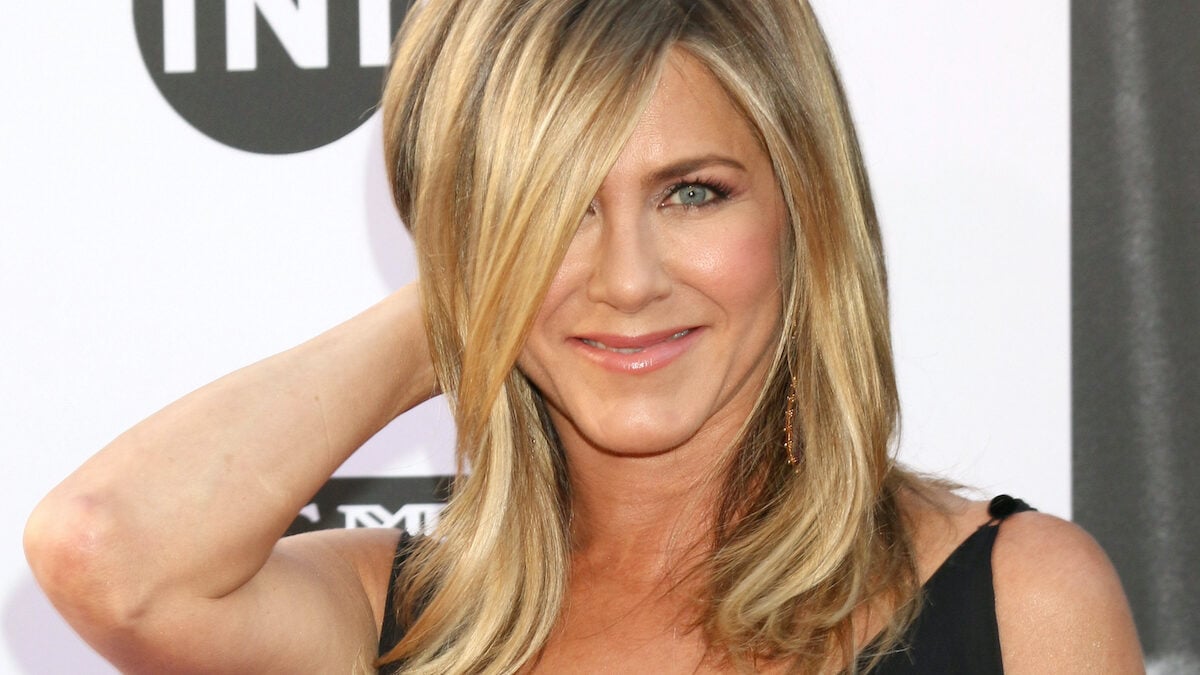
Symbol of hair perfection since FriendsJennifer Aniston has long been a model to follow at the hairdresser. And yet, despite her star status, she was not spared from stress and its consequences on her hair.
Behind the legend, a woman like any other
In an interview given to InStyletoday she confides a banal and yet difficult to believe reality: she was losing her hair, like any other woman struggling with emotions.
“Stress played a role. Over the last 25 or 30 years, I’ve had periods where my hair was falling out or thinning.”
Stress, hormones, age… so many factors that influenced his hair. But instead of giving in to panic, Jennifer Aniston chose resilience and a global approach to hair health: “Everything is connected. You have to support your hair from the inside, nourish it, protect it, instead of just masking the problem.”
When hair loss becomes a signal from the body
Losing a few hairs every day is perfectly normal. On average, we lose between 50 and 100 per day. But certain contexts (intense fatigue, emotional shock, hormonal change) can in fact accentuate this loss.
Acute fall: a temporary reaction
In women, hair loss can be acute and occur after significant stress, illness, surgery, childbirth or even sudden weight loss. Hair care that is too aggressive (straightening, straightening, abrasive products) can also weaken the fiber.
Fortunately, this form of loss is temporary: the hair regains its density once balance is restored.
Chronic falling: when the problem sets in
When the loss persists beyond a few months, it becomes chronic. The cause may be hormonal, metabolic or genetic. Androgenetic alopecia, long perceived as masculine, nevertheless affects nearly one in five women.
Progressive and lasting, it leads to an overall thinning of the hair, often accompanied by psychological discomfort. Because hair is not just a symbol of beauty: it affects identity and self-confidence.
Normal or worrying fall: how to tell the difference?
Some losses are also simply seasonal, particularly in the fall, and stabilize on their own within a few weeks. But when the fall becomes more pronounced, it is better to consult.
“This is the case if the loss exceeds 150 hairs per day for more than six weeks, if the hair becomes visibly thinner, if thinning areas appear, if the loss persists beyond November or December, or if symptoms such as itching, dandruff or inflammation of the scalp accompany the loss.specified Dr. Gérald Kierzek in a previous article.
Why should it be taken into account? Because these signs can reveal a hormonal disorder, a deficiency or a scalp disease requiring appropriate care. And unlike Jennifer Aniston, however, you probably won’t have an army of hairstylists to take care of your problem.
Jennifer Aniston: from stress to serenity
However, the actress’s words do some good. By breaking the taboo of hair loss, Jennifer Aniston reminds us that even behind the most beautiful hair hide stories of stress, fatigue and rebirth. His message is simple: taking care of your hair is also taking care of yourself. And whether we are famous or not, it should speak to us all.