
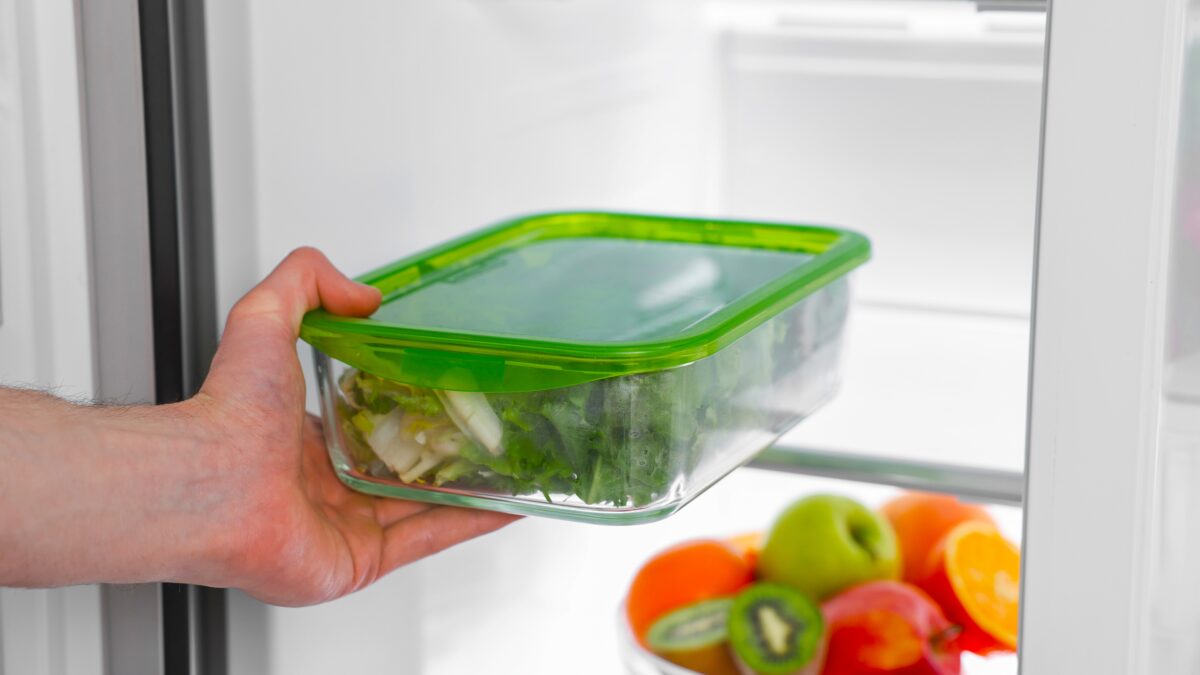
At a time when we are trying to reduce food waste, leftovers can no longer be thrown away. But how do you go about avoiding getting them? And what to do with it when you have it? Dietitian-nutritionist Vanessa Bedjaï-Haddad shares her practical guidelines and anti-waste tips that are easy to adopt at home.
How to properly dose food according to the number of people?
Limiting unnecessary leftovers means first learning to use the right quantities. Vanessa Bedjaï-Haddad recommends basing yourself on a few simple guidelines.
“For an adult, we can aim for around 120 to 150 g of cooked vegetables, 100 to 120 g of protein (meat, fish, eggs or vegetable equivalent) and 60 to 80 g of dry starchy foods, or 180 to 200 g cooked.”
These quantities can obviously vary depending on appetite, age, physical activity or type of meal. For several guests, simply multiply the portions, keeping a slight margin to avoid excess.
Another essential reflex before going shopping: check what is already left. “A quick check of the fridge, freezer and cupboards avoids over-purchasing“, underlines the dietitian. This simple gesture allows you to reduce waste, better organize your meals and save money while cooking more consciously.
What to do in case of surplus? Transform and enhance your leftovers
Leftovers are not a punishment, but an opportunity for culinary creativity. A little imagination is enough to give a second life to dishes from the day before. “The key idea is that a leftover can easily become the basis of a new meal, without extra effort.” underlines our expert.
Vanessa Bedjaï-Haddad suggests several easy-to-implement ideas:
- Cooked vegetables can become a soup, a velouté, a puree or a gratin, with broth and a blender;
- Leftover starchy foods (rice, pasta, quinoa, lentils, etc.) can be transformed into mixed salads, balanced bowls, gourmet stir-fries or family gratins;
- Leftover meat or fish can be reinvented into wraps, sandwiches, shredded in a sauce or even homemade parmentier;
- Clean tops and peelings lend themselves to “zero waste” recipes: homemade pesto, fragrant broth or crispy chips.
A little creativity and a few spices are enough to transform a simple dish into a complete, tasty and balanced meal.
Conservation: how long to keep your leftovers?
Preserving properly means extending the life of food without compromising food safety. “It is recommended to cool cooked meals quickly and place them in airtight containers in the refrigerator“, advises Vanessa Bedjaï-Haddad. And in general:
- Cooked leftovers will keep for 2 to 4 days depending on the food;
- Fish and poultry should be kept for 3 to 4 days maximum;
- Freezing remains an excellent option: well packaged, leftovers can be kept for several months.
The dietician also reminds us of the importance of understanding the dates indicated on the packaging.
- The best before date (use by date) must be strictly respected for fragile foods such as meat or fish;
- The MDD (minimum durability date) indicates a possible loss of quality (taste, texture) but not necessarily a danger to health.
Finally, the golden rule remains common sense. “In the event of a suspicious odor, abnormal texture, questionable color or simply in doubt, it is obviously better to throw it away. concludes Vanessa Bedjaï-Haddad.