
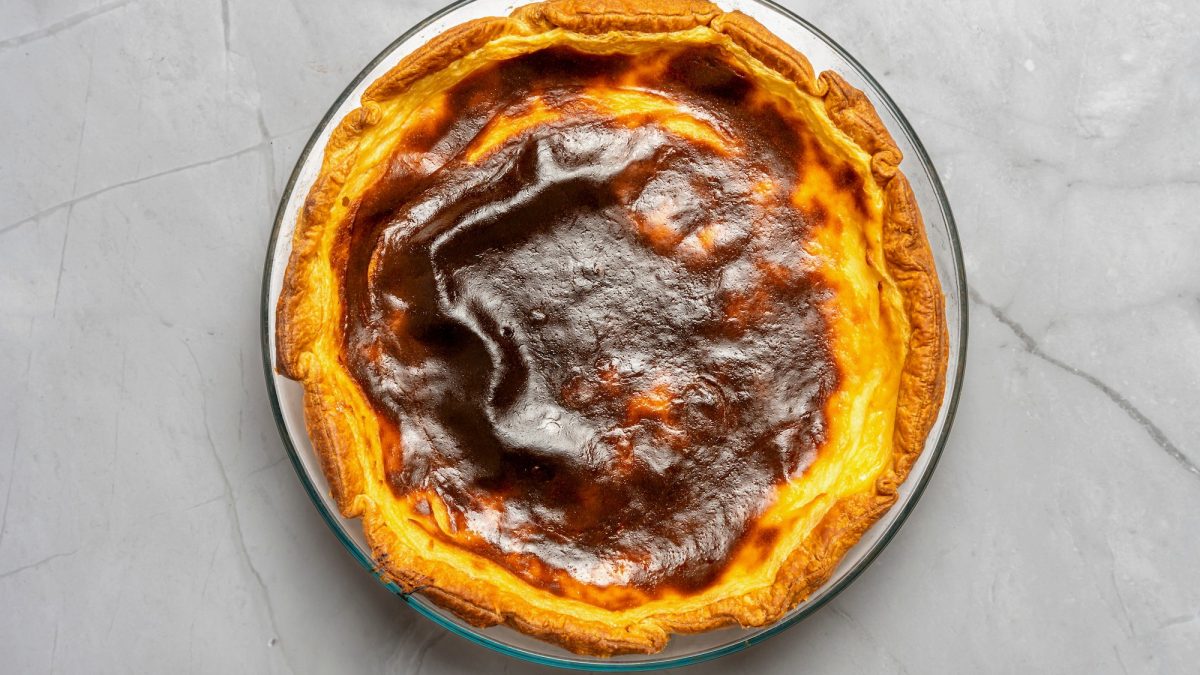
At the bakery, flan is undoubtedly your favorite sweet treat. Except that its composition often leaves something to be desired. Here’s how to learn to distinguish a real flan from an industrial flan to benefit your health!
What is a pastry flan made of?
Pastry flan, also nicknamed “Parisian flan”, is a traditional French dessert which generally consists of two elements:
- The dough. Originally, flan was made from shortcrust pastry. But more and more chefs and bakers are now opting for puff pastry, which has the advantage of offering an interesting contrast with its crispness.
- The device. Once the dough is cooked, a kind of pastry cream made from whole milk, sugar, vanilla pods, cornstarch and full-fat liquid cream is added.
A delicious combo, but not easy on the body: because of the eggs, whole milk, cream and sugar, the flan is rather dense in calories. It is therefore a dessert that can quickly become problematic if it is consumed frequently or in large proportions (beware of weight gain!).
On the other hand, flan also has some significant advantages… It is rich in proteins (beneficial for muscle health and satiety) and the milk & eggs it contains provide vitamins and minerals (calcium, phosphorus, vitamin D…) essential for maintaining bone health. Provided, of course, that you choose a quality flan!
How to identify an industrial flan from a homemade flan?
The quality of the products makes all the difference. In fact, many bakers prefer to opt for a chemical flan powder, which is affordable and very practical.
This powder, composed of a thickener, powdered eggs and vanilla flavoring, is diluted in a little previously heated milk and perfectly imitates the caramelized appearance of the flan.
The problem ? In the mouth, the taste is not there and, in terms of texture, the industrial flan becomes “elastic”. The color oscillates between medium yellow and fluorescent yellow – a color far from the pretty cream or blonde color usually worn.
Another element to take into account: vanilla. In the homemade flan, the small black dots indicate the presence of a “real” pod. On the other hand, in industrial flan, no point is visible: the “vanilla” flavor is invisible.
View this post on Instagram
A publication shared by Le Parisien (@leparisien)
So just one piece of advice, the next time a desire for flan (re)surfaces: analyze what it looks like at your baker-pastry chef.