
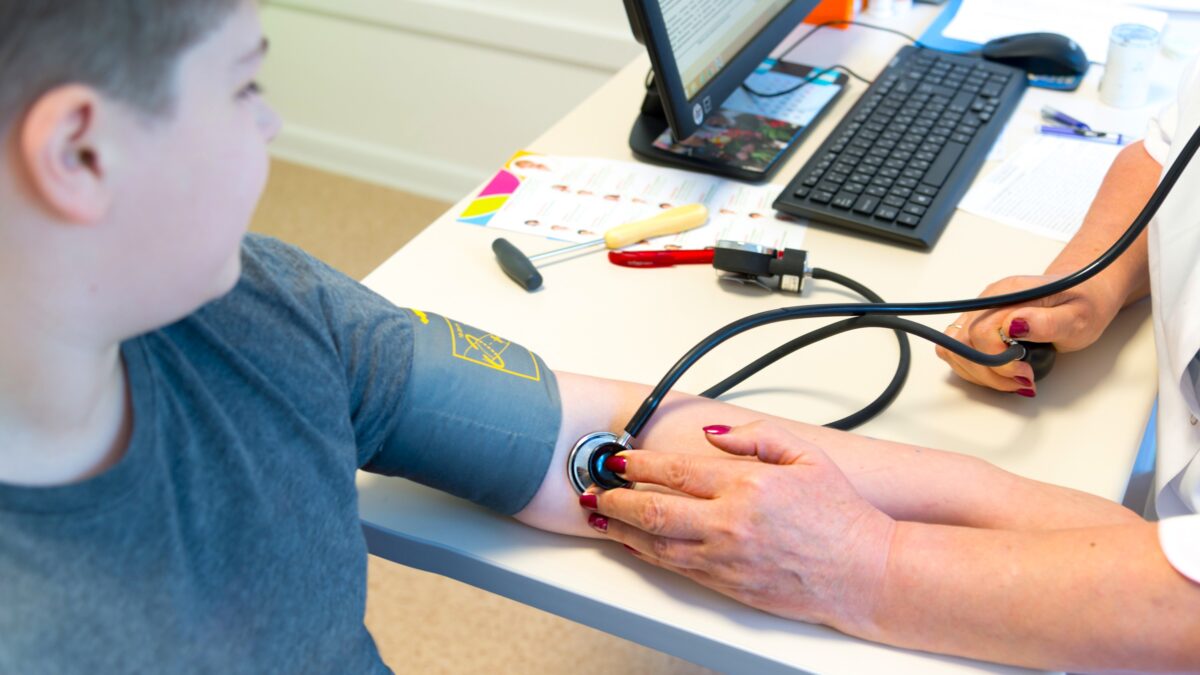
High blood pressure is a disease that is more naturally associated with advanced age. However, children and adolescents would be more affected than we think.
Blood pressure that sets in early
A new meta-analysis, published in The Lancet Child & Adolescent Healthhighlights a worrying increase in hypertension among those under 19 years old.
From 3.2% in 2000, the figures jumped to more than 6.2% in 2020, or around 114 million young people affected worldwide. This meteoric rise, analyzed through 96 studies involving more than 443,000 children in 21 countries, questions as much as it worries.
To achieve these results, the researchers compared different tension measurements. Some were carried out at the doctor’s office and others carried out at home. Result: the figures differ greatly depending on the context.
In the office, when hypertension is confirmed by a health professional during at least three consultations, its prevalence is approximately 4.3%. But if we add assessments made outside the office (self-monitoring, ambulatory monitoring), it rises to 6.7%.
Hidden shapes, more numerous than we thought
One of the major conclusions of this meta-analysis concerns the frequency of masked hypertension – when the pressure appears normal at the doctor’s office but is high at home – and
white coat hypertensionwhen it increases only in consultation.
Nearly 9.2% of children suffer from the first and 5.2% from the second.
“Childhood high blood pressure is more common than previously thought, and relying solely on traditional office-based blood pressure measurements likely underestimates the true prevalence or leads to misdiagnosis of hypertension in children and adolescents.” summarizes Dr Peige Song, author of the study and member of the School of Medicine at Zhejiang University (China).
Why such an increase? Obesity at the heart of the problem
Among the causes put forward, obesity plays a central role. According to their work, “19% of obese children suffer from hypertension, compared to only 2.4% of normal weight children and adolescents.. Excess weight promotes insulin resistance and impairs blood vessel function, making it more difficult to maintain normal blood pressure. In short:
Obese young people are up to eight times more likely to develop hypertension.
But obesity is only one of the possible causes: kidney abnormalities, genetic factors or eating habits too rich in salt are also pointed out.
Detect early to better protect the future of these children
Researchers are also sounding the alarm about prehypertension: 8.2% more children and adolescents suffer from it.
Prehypertension is defined by blood pressure levels above normal without yet reaching the criteria for hypertension. This phenomenon is particularly marked in adolescence: up to 11.8% of adolescents are affected, compared to around 7% among the youngest.
The authors note that in young boys, blood pressure appears to peak around age 14, emphasizing the importance of regular monitoring during this period.
What to do to prevent? Actions to adopt
Consulted on the subject, Dr Gérald Kierzek, medical director of True Medical, defines the disease for us and denounces the situation.
“Normal blood pressure in children varies according to age, height and sex, but is generally lower than that of adults. Hypertension in children is defined by persistent blood pressure values equal to or greater than the 95th percentile for age, height and sex, verified over at least three consultations. This disease is on the rise worldwide, mainly due to excess weight. This represents a major risk for future cardiovascular health.”
Our expert recommends more precise monitoring, with repeated measurements in the office but also at home, to avoid missed diagnoses.
How to do prevention among young people? Our expert’s advice is clear. It’s necessary :
- Monitor the child’s weight and adopt a balanced dietlow in salt and ultra-processed foods;
- Encourage regular physical activity and limit a sedentary lifestyle;
- Carry out regular blood pressure measurements during medical visits, especially during adolescence;
- Use equipment suitable for the child and repeat the measurementsincluding at home, to detect masked or “white coat” forms.
And in the event of persistent high blood pressure, consider additional tests or treatment, if necessary.