
What is an “ancient vegetable”?
Ancient vegetables, also called forgotten vegetablesdesignate all these vegetables that we once consumed and which have fallen into disuse, having disappeared from our baskets and our plates for several decades.
Old (forgotten) vegetables: mainly root vegetables
These are mainly root vegetables such as parsnips, Jerusalem artichokes and rutabagas, which were cultivated for their resistance to climatic hazards but were gradually replaced by more productive vegetables such as potatoes. Long associated with periods of war and famine, these vegetables with their sometimes improbable shapes and pronounced flavors are today making a comeback in our kitchens, brought up to date by chefs and consumers eager to rediscover the flavors of our culinary heritage while diversifying their diet.
What are the 20 names of ancient vegetable varieties (list)?
Among the best-known ancient vegetables, we find:
- Jerusalem artichoke,
- parsnip,
- rutabaga,
- the crosne,
- the patisson,
- pumpkin,
- the vitelotte,
- colored beets,
- butternut,
- dandelion,
- sorrel,
- salsify,
- scorzonera,
- tuberous chervil,
- black radish,
- the earth pear (yacon),
- oca from Peru, horseradish,
- tuberous parsley and
- the different varieties of heirloom tomatoes such as beef heart or
- the black one from Crimea.
What is the oldest vegetable in the world?
Root vegetables like parsnip (cousin of the carrot) and the turnip
are among the oldest vegetables cultivated by humanity, having been consumed since Antiquity. There bean is considered the oldest known legume, cultivated for millennia in the Mediterranean basin.
What season for old vegetables (winter, summer)?
Most ancient vegetables are winter vegetables, harvested from September until spring. Parsnips, rutabagas, Jerusalem artichokes, crosne and squash such as pumpkin are typically cold-season vegetables, perfect for soups and winter comfort dishes.
Soup, gratin, puree… How to cook old vegetables?
Ancient vegetables lend themselves to all classic preparations: in velvety to reveal their natural softness, gratins mixed with other vegetables, purees creamy, fried with spices to enhance their sometimes bland taste, or even in
stew traditional. Their melting texture is particularly suitable for gentle and simmering cooking.
Which ancient vegetables go well?
Classic combinations work perfectly: parsnips and potatoes, Jerusalem artichoke and pumpkin, rutabaga with other root vegetables in a stew.
Butternut squash goes well with chestnuts or apples for a sweet and savory mix, while blander vegetables like squash benefit from being mixed with tastier vegetables.
Also read:
Sweet potato: vegetable or starchy?
10 ancient vegetables benefits and recipe ideas
1/ Jerusalem artichoke
Jerusalem artichoke belongs to the Asteraceae family. For those who lived through the Second World War, this vegetable will necessarily have a special flavor. It is moderately caloric (31 kcal per 100 g) and extremely well supplied with potassium (478 mg per 100 g). Particularly diuretic, it is a good source of fiber (7 g/100 g) and provides a little carbohydrate.
How to cook it?
The sweet flavor of Jerusalem artichoke is close to the artichoke base. To cook raw, grated warm in vinaigrette, with a béchamel sauce or in a stew.
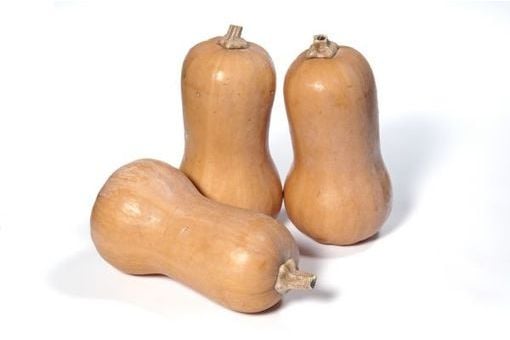
2/ Butternut
No, it’s not natural peanut butter. Also called buttercream, this type of squash belongs to the large cucurbit family (melon, watermelon, cucumber, etc.). Pale yellow, it is rich in beta-carotene, ideal for vision and the skin. Low in calories, it is the ally of slimming cooking. In the United States, it is generally cooked during the Halloween party. Its creamy texture lends itself well to veloutés.
How to cook it?
It is cooked like all squash. Its slight buttery taste and its tender side appeal to children. To prepare it more easily, cut it into pieces. Braised, in risotto, it is also delicious sweet/savoury with dried fruits or apples.
3/ Parsnip
Parsnip is a root vegetable that resembles a large white carrot and belongs to the Apiaceae family, which includes carrots, parsley, chervil and cumin among its most famous members. Its sweet flavor is due to a good carbohydrate content. It provides 55 kcal per 100 g. Diuretic, it is well supplied with potassium (600 mg per 100 g). It is a vegetable rich in vitamin B9: 100 g covers a third of a pregnant woman’s daily needs. It also contains vitamin C, and minerals such as potassium, phosphorus, iron, zinc or magnesium.
How to cook it?
Sweet like carrots, it can be prepared like turnips, in puree, in flan or in a stew. Choose it small for more tenderness. Available frozen combined with Jerusalem artichoke.
4/ Rutabaga
The rutabaga belongs to the cruciferous family and resembles a large turnip with a more elongated shape. With 36 kcal per 100 g, it advantageously replaces potatoes. It also provides vitamin C and is rich in minerals such as phosphorus, potassium and calcium.
How to cook it?
Less bitter than turnips, with a mild taste, it is tender and easy to cook. Inexpensive, it has its place in a pot au feu. It can be seasoned with spices to give it more flavor.
5/ The crosne
From the Lamiaceae family (mint, rosemary, sage, thyme), it is a root vegetable with fun mineral shapes (potassium, phosphorus, calcium). With a high carbohydrate content, it provides 75 kcal per 100 g.
How to cook it?
Its shape and taste close to artichoke and hazelnut appeal to lovers of ancient vegetables. Increasingly difficult to find and expensive, crosne is easily prepared and goes well with any white meat. Simply rub them with coarse salt and blanch them for 2 minutes. Then, we sauté them in a little butter.
6/ The patisson
Nicknamed Spanish artichoke, white, orange or pale yellow in color, it is very decorative and its shell can be used as a dish. It is advisable to choose it small if not a little fibrous.
How to cook it?
It is peeled like a zucchini and cooked for 15 minutes in boiling water. A little bland, it goes well with other vegetables and can be cooked in soup or gratin. It can also be served cold with a vinaigrette.
7/ Pumpkin
Close to the pumpkin but smaller, the pumpkin has the same nutritional virtues. A very good beta-carotene content, which helps preserve the luminosity of the skin. But also vitamins A, B, C, in addition to minerals and trace elements. Its starch content makes it attractive to children.
How to cook it?
Just like pumpkin. Delicious as a velouté with chestnuts.
8/ Dandelion
This little wild salad lives up to its name: rich in potassium, it is very diuretic… Well supplied with vitamin C but also with trace elements, it notably provides manganese, a powerful antioxidant!
How to cook it?
Serve as a salad, mixed with potatoes, a poached egg and a little hazelnut oil.
9/ Colored beets
Just like their red cousins, these multi-colored root vegetables provide few carbohydrates (4 g per 100 g) and relatively few calories (40 kcal per 100 g). Fairly rich in fiber (3 g per 100 g), they provide useful vitamin B9 for the mother-to-be. Like parsnips, 100 g covers a third of the recommended daily intake.
How to cook it?
Visually in marbled version or in crapaudine (elongated shape), they are decorative as desired. Serve raw in salad with hazelnuts or walnuts or in a salt crust.
10/ The vitelotte potato
Purple in color, it has the same virtues as potatoes and as such is similar to a starchy food. Rich in fiber (7%), it is also well supplied with minerals including potassium.
How to cook it?
Quite floury, it is prepared crushed. Or also in chips to play on the decoration.
To read: Branch celery: benefits and preparation tips
FAQs
What is the difference between Jerusalem artichoke and rutabaga?
The Jerusalem artichoke is a tuber from the Asteraceae family with a sweet taste reminiscent of the artichoke, while the rutabaga belongs to the cruciferous and resembles a large elongated turnip with a less marked flavor. Jerusalem artichoke is richer in fiber (7g/100g) and potassium, while rutabaga is lower in calories (36 kcal compared to 31 kcal) and richer in vitamin C.
What vegetables existed in the Middle Ages in France?
In the Middle Ages, the French mainly consumed
cabbage in all their forms, turnips, parsnips, rutabagas, broad beans, peas, sorrel, perpetual leeks and various wild herbs such as dandelion. These rustic vegetables formed the basis of the popular diet before the arrival of the potato.
Can we cook old vegetable seeds?
Yes, some ancient vegetable seeds are edible and nutritious: Butternut squash seeds, rich in zinc, are eaten roasted as a snack or incorporated into salads. However, not all seeds are edible – you should inquire specifically about each variety before consumption.
What is the ancient white vegetable called?
Several ancient vegetables are white:
parsnip (cousin of the white carrot), the
white turnipTHE rutabaga with white flesh, salsifyTHE tuberous chervilTHE tuberous parsley and the
white carrot from Küttigen. Parsnip remains the best known of these white root vegetables.
What are ancient green vegetables?
The main ancient green vegetables include:
dandelionL’sorrelTHE
chard (green pear), the green kohlrabiTHE radish topsL’nettle (used as a leafy vegetable),
purslane and the different varieties of
old cabbages like sea kale. These leafy vegetables were commonly consumed by our ancestors for their nutritional benefits.
Photo:©Kent Loeffler / Mary Kreitinger