
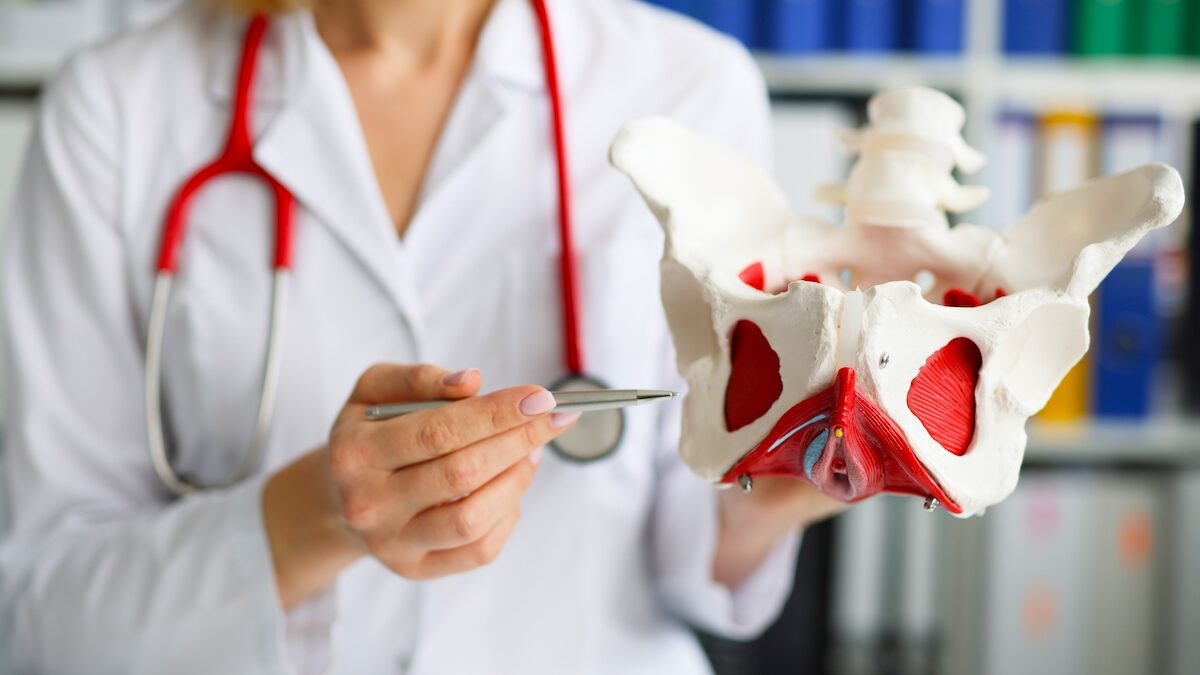
We rarely think about perineum outside of pregnancy or menopause. However, tiny reflexes constantly solicit it and, in the long run, promote
incontinence And
organ descent. What these invisible errors have in common is a abdominal hyperpressure which presses downward, like a little ram which knocks day after day. Better to spot them quickly.
The perineum, a veritable muscular hammock stretched from the pubis to the coccyx, supports the bladder, uterus and rectum, and participates in continence. Throughout the day, it endures repeated stresses against gravity and is subjected to continuous pressure. And the culprits are often gestures that we believe to be harmless.
Seven everyday actions that damage the perineum
Certain bad habits should therefore be avoided if you want to spare your perineum.
- Carrying loads is the first trap: lifting shopping bags or picking up a child suddenly increases abdominal pressure, which is directed towards the
pelvic floor and stretches the supporting tissues. - A coughing fit or a sneeze also creates violent compression on the perineum; In women with chronic cough, a study published in 2009 in the Journal of Respiratory Diseases showed a higher risk of stress incontinence.
- When using the toilet, the 90-degree seated posture keeps the pubo rectus muscle in tension and encourages pushing, which traumatizes the area with each pass.
- And when we bend over, legs outstretched, to pick up an object, we push the viscera downward, overloading the lumbar region.
- THE
crunch abs add a repeated push of the organs forward and downward, likely to weaken the perineum and spread the abdominals. - There slouched posture at the office compresses the abdomen for hours, limits the play of the diaphragm and pushes further downwards.
- On the sports side, the
runningskipping rope or repeated jumps (volleyball, trampoline) generate shocks with each impact; running can even be about four times the body weight felt in the pelvic area.
Repeated, these micro-traumas end up tiring the perineum.
Correcting these errors: the right actions to protect your pelvic floor
At the slightest effort, anticipate. Contract the perineum just before and as you lift, and exhale on the effort to limit downward pressure. This reflex also applies to coughing and sneezing, with a useful detail: turn your head to the side to reduce the pressure wave in the axis of the pelvis. To balance loads, carry the bag over the shoulder rather than at arm’s length, keep objects close to the body and, with a child, favor carrying on the hip rather than facing you.
When using the toilet, avoid pushing. A step
which elevates the feet helps recreate a squatting position, opens the anorectal angle and facilitates evacuation without respiratory blockage. The “stop-wee” method, which consisted of interrupting the flow of urine, is no longer recommended. Instead, it is best to contract the anal sphincter, as this effectively strengthens the tone of the pelvic floor by putting tension on the anus. Conversely, holding in for too long tires the pelvic floor and increases the risk of urinary infection. The right guideline: go there when the need arises, quite simply.
Abs, sport and breathing: what to adopt on a daily basis
On the strengthening side, ban classic bust lifts in favor of
hypopressive abdominalsof Pilates
and yoga, which target the transverse and protect the perineum. Conversely, crunches should be banned for the back and perineum. Doing sit-ups won’t strengthen it. “On the contrary, warns the specialist, this exercise causes abdominal hyperpressure, tending to distend the perineal muscles.
told us Patrice Lopès, professor emeritus of gynecology-obstetrics at the University of Nantes. In practice, exhale during the effort phase, maintain a slight contraction of the perineum and favor well-dosed core training rather than rapid series.
To move without traumatizing, focus on swimming, cycling, brisk walking, yoga. At the slightest sensation of pelvic heaviness or leakage, reduce the duration and consult a midwife or trained physiotherapist. On a daily basis, adopt self-sitting posture, sit on the edge of the seat rather than slumping against the backrest, and vary position regularly. To pick up an object, bend your knees like a mini squat, back straight, resting one forearm on one thigh, then come back up while maintaining a slight contraction of the perineum. Small adjustments, a real change for the perineum.
If you need to strengthen the perineum, rehabilitation is required. It can be carried out by midwives or physiotherapists. And as Audrey Caglioti Piller, physiotherapist, trained in perineal rehabilitation, told us, it is never too late to do the right thing: “It’s never too late to re-educate your perineum, even when you’re over 90. Young women who have never had intercourse but who could experience urinary problems, for example, can also consult, the rehabilitation will be carried out in a non-invasive manner with total respect for the patient.