
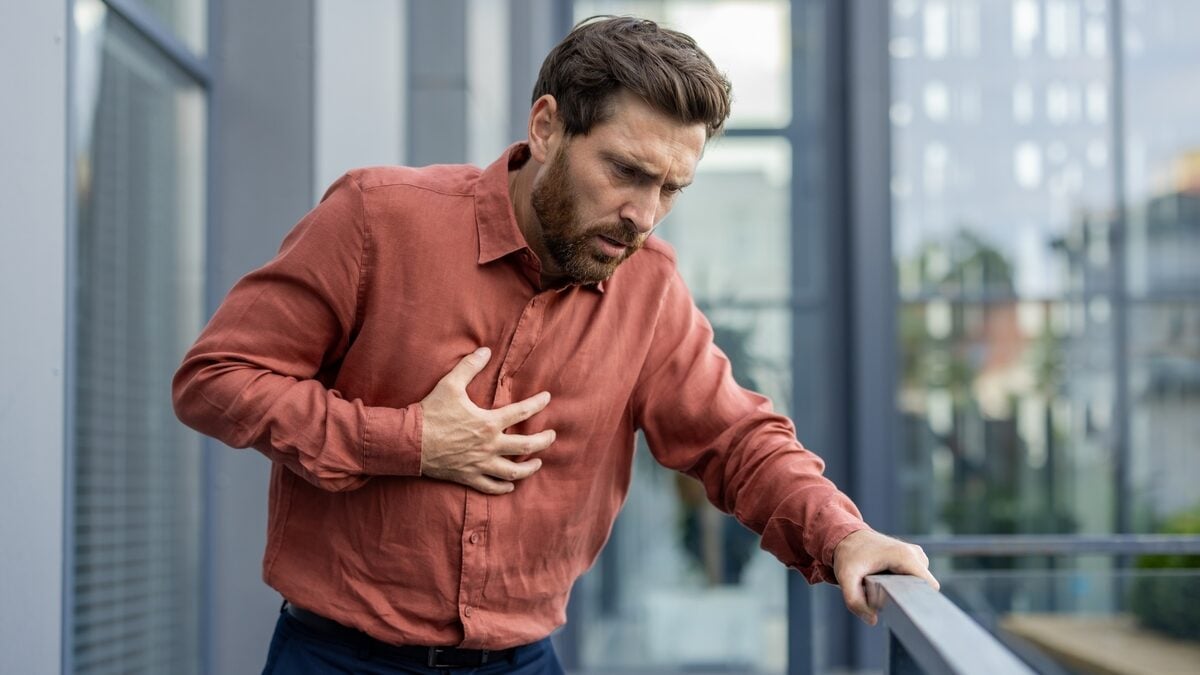
News story worthy of a dramatic film: a man died of a stroke after learning of the death of his wife, the victim of a road accident a few minutes earlier. Dr. Gérald Kierzek, emergency physician and medical director of True Medical, explains to us how this emotional stress can sometimes lead to death.
A stroke and heart attack which were fatal to him
According to the newspaper El Paisthe events took place in Muíños, in Spain, near a road “offering good visibility“. The driver of a truck, drunk, collided around 11 p.m. with the vehicle of a 51-year-old woman. Unfortunately, she quickly succumbed to her injuries and had to be extricated by the Galicia Health Emergency Services, the Supramunicipal Emergency Group (GES) of Muíños and the Spanish police.
The husband, informed of the incident by the police, quickly arrived on site. But when he found himself in front of the body of his deceased wife, he could not cope with the shock and suffered a stroke and a heart attack which was “fatal“, reveals AFP.
How can we explain that extreme emotional stress can lead to cardiovascular accidents? Dr Gérald Kierzek enlightens us.
Yes, intense stress can lead to a stroke!
Two mechanisms can explain this fatal outcome:
- “An intense emotional shock can quite trigger a stroke in vulnerable people, via a sympathetic overload (peak of adrenaline and cortisol) which suddenly raises blood pressure, promotes cardiac arrhythmia or rupture of atherosclerotic plaque (Takotsubo syndrome)”, admits the doctor in the preamble;
- Another possibility: elevated blood pressure can lead to a hemorrhagic stroke.”by ruptured aneurysm“, he explains.
In detail, two types of stroke can be distinguished.
Ischemic stroke
Acute stress activates the amygdala and releases catecholamines (stress hormones) which stiffen the arteries, increase coagulability and can fragment bacterial biofilms on atheromatous plaques, releasing clots to the brain.
“Studies show an increased risk of stroke the year following a major trauma, especially ischemic, in those with pre-existing vascular risk factors (hypertension, atherosclerosis). It is not systematic, but the shock acts as a trigger on a weakened ground, unlike more diffuse chronic stress. underlines the medical director.
Hemorrhagic stroke
An intense emotional shock can also cause an aneurysm rupture in predisposed people, the doctor still recognizes, “via a discharge of adrenaline and blood pressure which weakens the already weakened vascular wall, multiplying the risk of hemorrhagic stroke in the hours that follow.
Preventing real risks after a traumatic announcement
When announcing a death, caution should be exercised, particularly when the person receiving the bad news has a significant cardiac risk. Surrounding and supporting her at the time of the announcement can help in particular.
Dr Gérald Kierzek also recommends taking care of your physical and mental health.
- Management of basic vascular factors:
be sure to control your blood pressure (below 130/80 mmHg), your cholesterol (statins may be prescribed if LDL exceeds 1.8 g/L), as well as your smoking and diabetes habits. Practice regular physical activity (30 minutes per day) and adopt a Mediterranean diet to stabilize your arterial plaques; - Emotional and psychological strengthening:
reproduce deep breathing techniques (4-7-8 method) or cardiac coherence (5 minutes, three times a day) at home to regulate your nervous system during stressful situations. Cognitive behavioral therapy (CBT) or EMDR can also help you alleviate the post-traumatic emotional impact; - Proactive medical monitoring: carry out a cardiac (ECG, Holter) and cerebral (carotid ultrasound) check-up, especially if you are elderly or at risk. On medical prescription, short-term beta-blockers or anxiolytics can be considered in the event of exposure to major stress.
In the event of psychological difficulties linked to the announcement of bad news, turn to a mental health professional (psychologist, psychotherapist, etc.). Only a specialist can help you take care of your mental balance.