
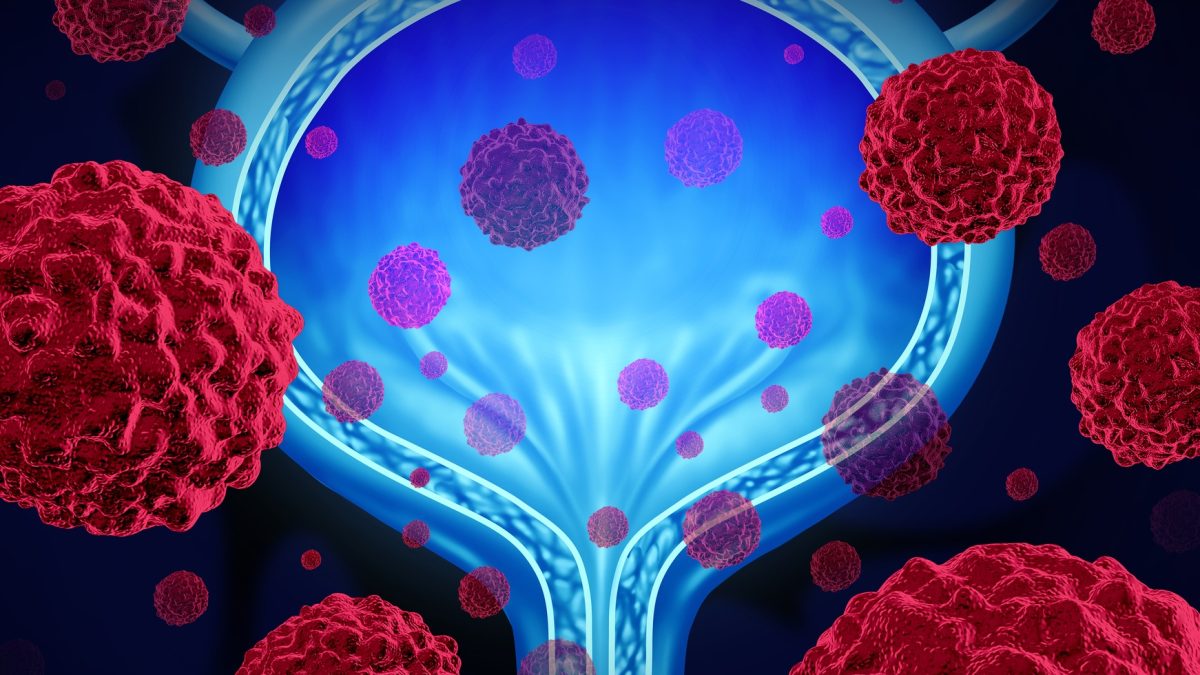
What if an almost innocuous virus contracted in childhood played a major role in certain cases of
bladder cancer diagnosed much later? This is the path opened by a British team which looked into the BK virusa very common infection which settles discreetly in the kidneys after the first contamination. For a long time, tobacco was mainly blamed; another actor could intervene behind the scenes.
In a study published in the journal Science Advancesresearchers from the University of York show that the response of our cells to this polyomavirus can damage the DNA of the bladder wall in patterns typical of those observed in tumors. The scenario is complex, involving antiviral enzymes and even neighboring uninfected cells, but it could explain why tumors almost never contain traces of the virus.
A childhood BK virus that never really goes away
BK polyomavirus, or BK virusis generally transmitted during childhood and often passes for a simple flu episode. Studies cite a seroprevalence of around 95% in adults: almost everyone has therefore already encountered this virus, which then remains hidden in the kidney in a dormant state. When the immune system weakens, with age or after a kidney transplant under immunosuppressive treatments, it can reactivate, infect the urothelium and irritate the bladder over time.
THE bladder cancer however, remains relatively rare in view of this massive spread of the virus: around 12,000 new cases and nearly 4,700 deaths per year in France. The disease mainly affects people over the age of 60 and tobacco remains the main known risk factor. In kidney transplant recipients, already exposed to BK virus reactivated in the kidneys, ureters and bladder, the risk of bladder tumor is at least tripled according to researchers.
“We know that the BK virus can cause bladder cancer in people who have had kidney transplants, but it is absent from bladder cancers in the rest of the population.”said Dr Simon Baker of the Department of Biology at the University of York and lead author of the study. “This mystery led us to wonder if the BK virus is not in reality responsible for almost all bladder cancers, but by a mechanism where its presence in cancer cells is not necessary..
When antiviral defense damages bladder DNA
By studying bladder wall cells infected with BK virusresearchers found that when the urothelium fights a BK infection for weeks or even months in the laboratory, it uses a family of antiviral enzymes (APOBEC3) to try to damage the virus and prevent its replication. Unfortunately, in this fight against the BK virus, enzymes can cause collateral damage to the DNA of the cells themselves. These DNA damage are similar to those seen in bladder cancer cells. And surprisingly, the enzymes and DNA damage were found not only in cells infected with the BK virus, but also in their uninfected neighbors.
“This “bystander effect”, characterized by the formation of potentially carcinogenic DNA mutations in cells witnessing an infection in their neighbors, is crucial because it could explain why bladder cancers show no trace of the virus when diagnosed several years later“, explains the University of York press release.
This model, which the authors describe as “transmutagenesis”, would make it possible to reconcile two observations that were previously difficult to link: tumors very rich in mutations attributable to APOBEC3 enzymes, but without detectable viral material. The damage would accumulate over the reactivations of the BK virus in control cells that are still healthy, until an episode of tissue repair pushes them to multiply. Researchers are now working to confirm this link in cohorts of patients and to see how it interacts with tobacco.
Bladder cancer: what does this change for patients?
Dr Simon Baker is already considering prevention prospects: “We find this research extremely promising because it suggests that bladder cancer may be preventable. In the same way that we fought the HPV virus to prevent cervical cancers, we may in the future be able to treat BK virus infections at an early stage and prevent the development of bladder cancers.“.
But for the moment, there is no vaccine or specific antiviral against BK virusand the best way to reduce your risk of bladder cancer It is still necessary to avoid tobacco and consult a doctor in the event of blood in the urine or persistent urinary problems. In kidney transplant recipients, already being monitored for this virus, teams supported by Kidney Research UK are testing strategies to better control the infection without compromising the transplant, with the idea that acting early could also limit the long-term tumor risk.