
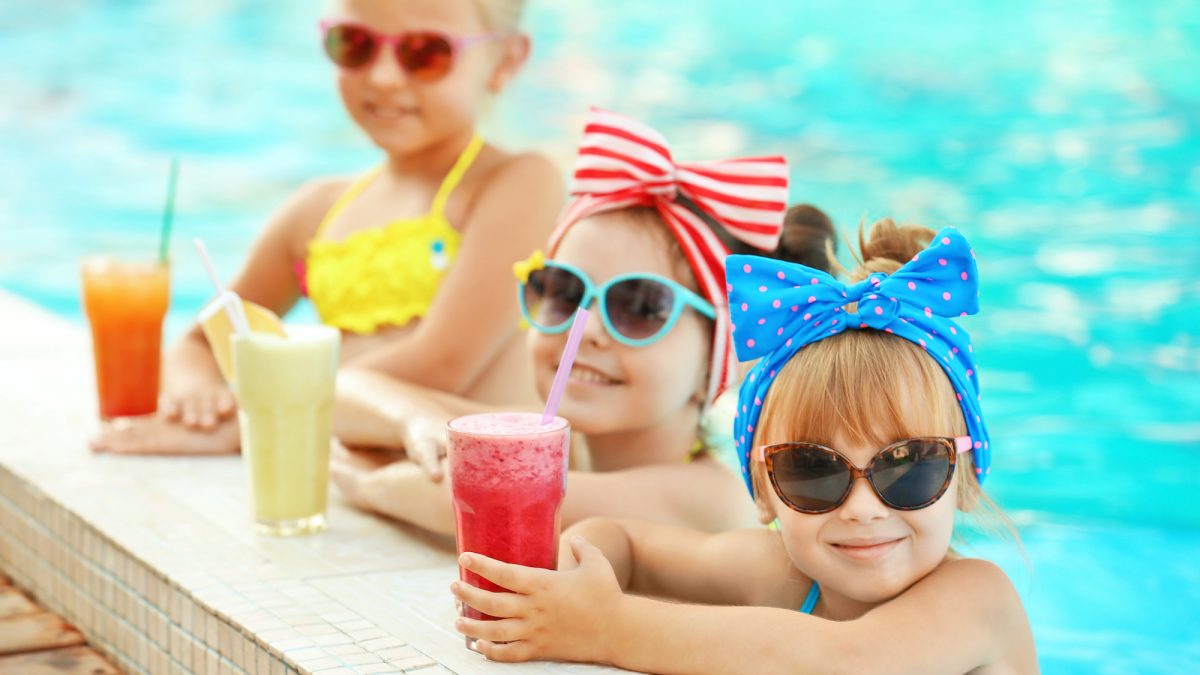
The holidays are coming and the convivial opportunities to have a drink, at your vacation spot or with the family, are multiplying. But “pleasure” drinks (apart from water, which remains the only essential drink) are often too sweet. Between fruit juice, syrup or soda, is there a better choice to make (or less worse) than another? This is the question that parents may ask themselves.
Fruit juices: yes, but in moderation
Parents often choose fruit juice as a more natural, vitamin-packed option. This is true, but it needs to be qualified. Fruit juice still provides potassium, vitamins and many other nutrients to the small consumer, if it is chosen 100% pure juice. But in a glass of fruit juice, there are not all the qualities of the fruit from which it comes. Juice (apple, orange, etc.) is therefore not equivalent to a portion of the same fruit.
As for sugars, be aware that some options, such as grape juice, can be sweeter than soda. And don’t forget that a glass of orange juice, for example, contains the sugar of 3 fruits. It should therefore not be abused.
Syrups: little interest, but refreshing (if measured)
Faced with this choice, many parents prefer to opt for a syrup, in a large glass of cool water for their children, preferable to soda. It’s a fun possibility that actually allows you to refresh yourself. But syrups are not perfect and should also be drunk in moderation.
Remember that syrup is above all sugar (at least 80%), and without any nutritional benefit. Some may contain controversial additives, so we will aim for a natural and organic product, without coloring if possible.
On the other hand, the advantage of syrup is that you can measure the sugar that your child will consume. A minimum of 7 volumes of water per volume of syrup is therefore recommended. But nothing stops you from diluting the drink further as an aperitif!
Sodas: very occasionally!
Let’s be honest, many children are also attracted by the pshiiit and bubbles of commercial sodas. Why not treat them during the holidays? Of course, it is allowed, but not recommended by pediatricians.
On the one hand, the classic versions contain carbonated water, sugar (up to 7 pieces per can of Coke!) and additives of all kinds (acidifiers, colorings, preservatives, etc.) which are very unnatural. On the other hand, light versions provide no calories or sugar, of course, but generally have an even longer list of ingredients, with various chemical sweeteners. Finally, sodas are known to increase children’s taste for sugar and the risks of diabetes, obesity and cavities.
A story of dosage and reason
The opinion of Dr Gérald Kierzek
“Although fruit juice is often considered the best option due to its nutrients, it should also be consumed in moderation due to its high sugar content. Syrup, although lower in calories, does not provide significant nutritional benefits, while soda is generally the least recommended for children.”
Finally, the High Council of Public Health reminds us, in its June 2020 report: In children aged 3 to 17, good hydration with water is important (especially in the event of heat or physical activity). As such, the consumption of sugary drinks “must remain exceptional, and for adolescents, be limited to one drink per day (1/2 glass before 11 years old).”