
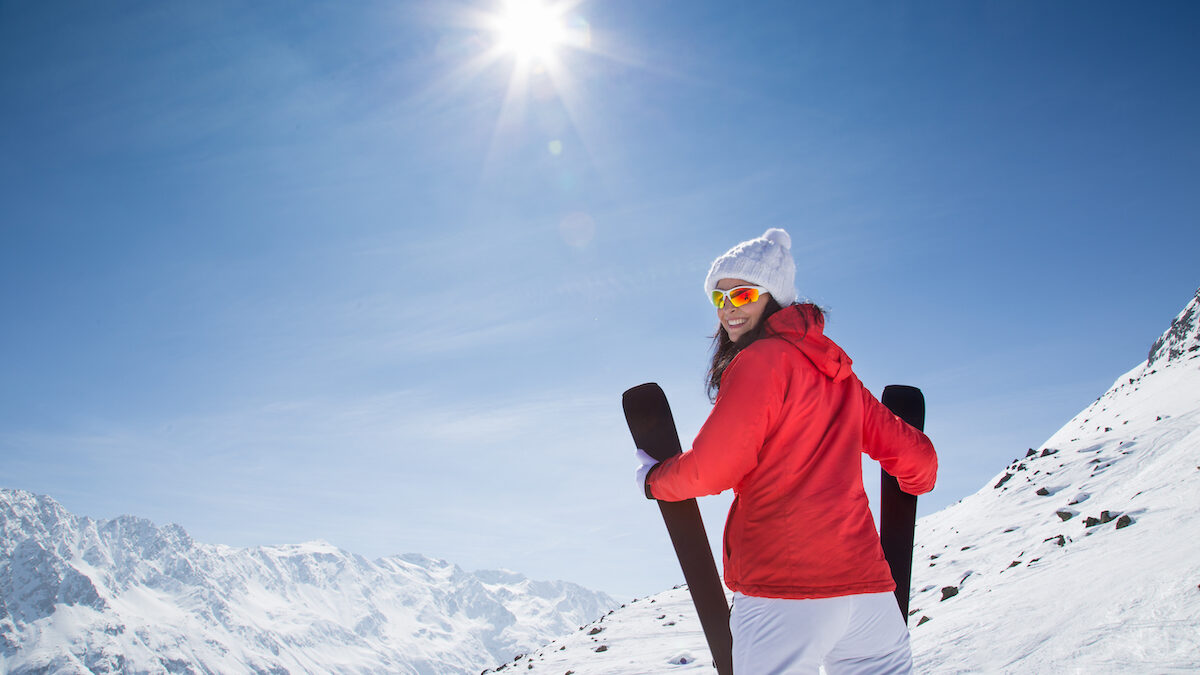
Skiing holidays or high altitude getaways often rhyme with the great outdoors and snowy landscapes. But for the skin, these stays are far from being completely restful. Increased solar exposure, low temperatures and drying wind weaken the skin barrier. Result: tightness, redness, cracking and discomfort can quickly set in. To preserve your skin, Dr Marina Alexandre, dermatologist and scientific consultant for La Roche-Posay, recommends adapting your toiletry bag and adopting specific actions.
Cold, wind and sun: a trio that weakens the skin
At altitude, the skin is put to the test. Cold and wind alter the skin barrier, making it more permeable and more sensitive. “The skin may become red, irritated, and sometimes cracked, especially on exposed areas.“, explains Dr Marina Alexandre. Added to this is solar exposure, which is often underestimated in winter. The reflection of UV rays on the snow significantly increases the dose received by the skin, even in overcast weather. A combination which accentuates dehydration and skin inflammation.
Reinforced hydration and SPF 50+ sun protection
The key, according to the dermatologist, is to focus on a triad including: gentle cleansing, intense hydration and appropriate sun protection. In the beauty kit, we favor moisturizing serums, in particular based on hyaluronic acid, combined with very hydrating sun creams. “We forget the mists and oils, rather reserved for summer“, she explains.
In terms of protection, the 50+ index is essential, even when the sky is gray. It is also essential to choose a cream that protects against both UVA and UVB, with a creamy texture capable of withstanding extreme conditions. In winter, we avoid gel-creams rich in water and favor richer cream formulas. The 50+ sun sticks are very practical; they fit in your pocket, do not leak and allow you to reapply your sunscreen during the day without taking off your gloves.
Chapped lips and hands: areas to pamper
Certain areas are particularly vulnerable, such as the lips and around the nose. To prevent chapping, Dr Marina Alexandre recommends very oily products: balms, repair sticks or other practical format. “Do not hesitate to reapply it very often during the day.“, she insists.
In the evening, you can apply even richer textures, such as petroleum jelly, Aquaphor balm or CERAVE restorative ointment, to promote healing overnight. The skin of the body and the hands must not be forgotten: the cold and the friction of clothing accentuate dryness. Regular hydration and gentler actions than usual help preserve skin comfort throughout the stay.
In the mountains, the skin needs a specific routine, more nourishing and more protective. Special attention, validated by Dr Marina Alexandre, dermatologist and scientific consultant for La Roche-Posay, to fully enjoy the holidays without compromising the health of your skin.
Our shopping list for a stay in the mountains