
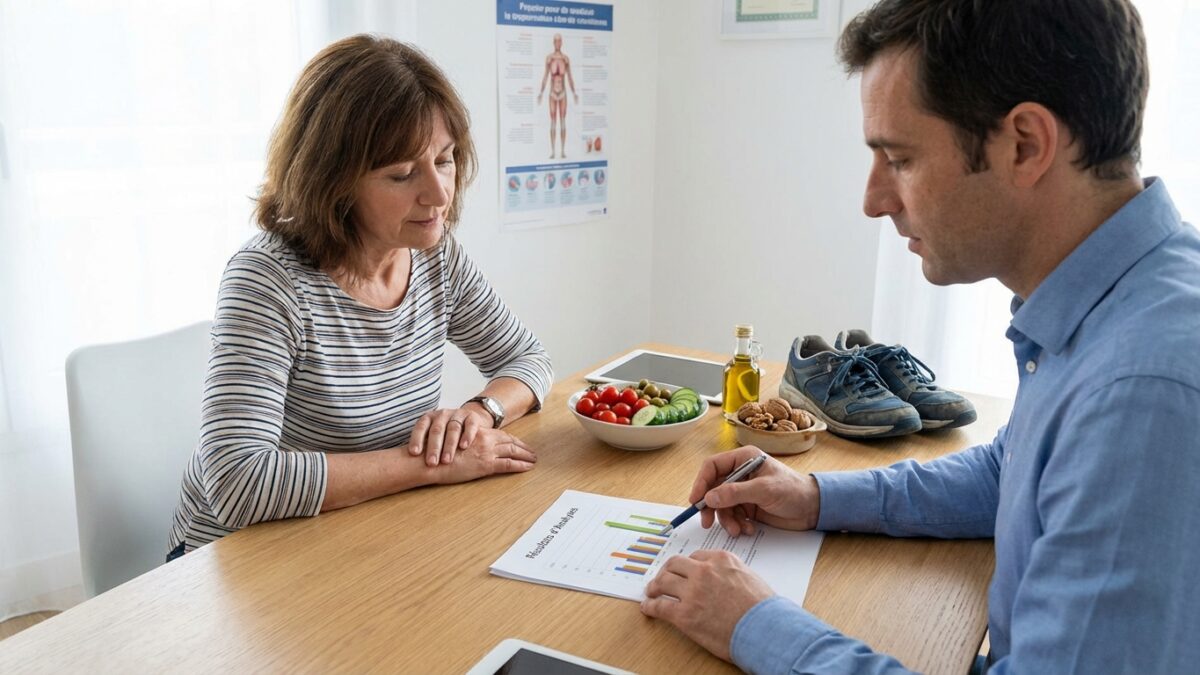
A blood test result indicating high cholesterol is often enough to ruin the day. Very quickly, the fear of a heart attack or stroke sets in. However, cholesterol remains an essential fat for the proper functioning of the body… provided that the famous “bad” LDL cholesterol does not exceed certain limits. To maintain it at an ideal rate, lifestyle plays a big role. Here are eight key actions that can make a difference on a daily basis.
Cholesterol: what is the difference between LDL and HDL?
Often referred to as “bad cholesterol”, LDL cholesterol tends to be deposited on the walls of arteries. Over time, these deposits form plaques that gradually narrow the diameter of blood vessels and can interfere with blood flow.
Conversely, HDL cholesterol plays a protective role: it recovers excess cholesterol present in the body, particularly in the arteries, and transports it to the liver, where it can be eliminated.
The problem ? When LDL cholesterol increases sharply (because of an unsuitable lifestyle: smoking, diet rich in saturated fats, sedentary lifestyle, etc.), the risk of cardiovascular disease increases tenfold.
Conversely, regular physical activity and a healthy lifestyle help to increase HDL levels, sometimes significantly — up to 30% more in active people compared to sedentary people.
In certain situations — particularly in cases of familial hypercholesterolemia or when levels are very high — drug treatment, often based on statins, may be necessary in addition to lifestyle measures.
8 simple rules to lower your cholesterol level
To naturally lower your bad cholesterol levels, these eight rules can help on a daily basis.
1. Take stock with your doctor
Understanding your results and scheduling a blood test three months later is a key first step.
2. Adopt the Mediterranean diet
Choose a diet rich in fruits, vegetables, whole grains, legumes, fatty fish and olive or rapeseed oils.
3. Replace some animal fats
Limit butter, cold meats and fried foods, and favor vegetable oils, nuts, seeds and avocado.
4. Increase Soluble Fiber
Aim for 10-25g of fiber per day from key foods like oats, barley, lentils, chickpeas, apples or pears.
5. Move regularly
Do at least 30 minutes of endurance activity five days a week, such as brisk walking, cycling, or swimming.
6. Stabilize your weight
Watch your waistline, limit alcohol and quit smoking.
7. Take care of your sleep and manage your stress
Sleep 7 to 8 hours per night and integrate moments of relaxation into your days: walking, breathing, gentle yoga.
8. Never change your treatment alone
In the event of a medication prescription (statins), any modification must be decided with your doctor.
How long can we expect to see concrete effects?
The effects of a more balanced diet and regular physical activity often appear after a few weeks. A first assessment can generally be done around three months.
A check-up at 3 months, then at 6 and 12 months, allows you to evaluate the progress made and to adjust, if necessary, your habits or your treatment with your doctor.
And if your cholesterol remains high despite these measures, adding medication is not a failure: it is simply an additional tool to better protect your heart and arteries.