
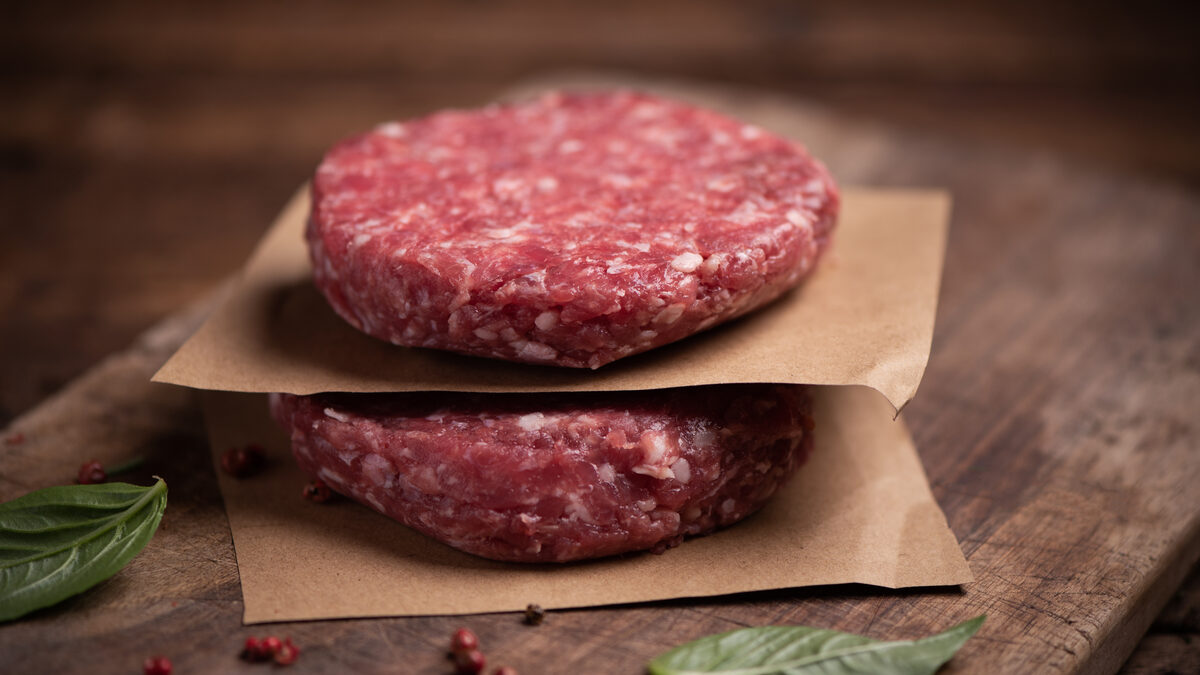
With fries, a pepper sauce or simply accompanied by a salad: minced steak still seduces many French people with its inimitable flavor and its versatility in cooking. However, behind this apparent simplicity lie very real dangers for health. Here’s what you need to know before eating ground steak, whether rare or well done.
Whether raw or well-cooked, ground steak poses health risks
Chopped steak is a very popular everyday food: easy to cook and relatively affordable, it provides quality proteins, easily assimilated iron, zinc as well as B group vitamins, essential for the proper functioning of the body. However, despite these advantages, it also presents health risks linked to its preparation.
“Ground meat has the highest risk of contamination, as grinding increases the exposed surface area, potentially in contact with pathogens“, warns Claire Trommenschlager.
Among the most feared pathogens is Escherichia coli bacteria, responsible for diarrhea and vomiting. In the most serious cases, this intoxication can even evolve towards kidney damage. “These attacks can be serious and, in the most severe cases, lead to significant after-effects, even death,” recalls the expert.
The risk is particularly high when meat is eaten raw or undercooked. It is in fact cooking (thoroughly) that destroys the famous bacteria. A rare or blue ground steak may therefore still contain active pathogens.
Meat poisoning: who are the people most at risk?
They are multiple:The people most at risk are young children, pregnant women, immunocompromised people (for example with cancer) and the elderly. For these populations, the consumption of raw or undercooked ground meat is not recommended. In children, this recommendation applies until the age of 10“, confides Claire Trommenschlager.
On the other hand, a healthy adult can consume slightly rare ground meat, provided that strict hygiene rules are respected when preparing and storing the meat, as well as the consumption dates.
Furthermore, the degree of contamination can vary and influence the state of health of an infected adult.
“Generally, we observe stomach aches, nausea, vomiting and diarrhea,” relates the practitioner.
Caution: the greater the contamination, the more fragile the body is.the more severe and serious the symptoms will be“, specifies Claire Trommenschlager.
Ground meat contamination: other elements play a key role
Beyond cooking, hygienic conditions also play a key role. Poor storage, a break in the cold chain or inadequate handling of meat (particularly unwashed hands) further increase the risks of bacterial proliferation.
Ground steak therefore remains an interesting food from a nutritional point of view, provided that you follow a few essential recommendations (complete cooking, etc.) and thus limit its impact on our health.
As a reminder, ANSES and the National Nutrition and Health Program (PNNS) recommend consuming no more than 500 grams of red meat per week.