
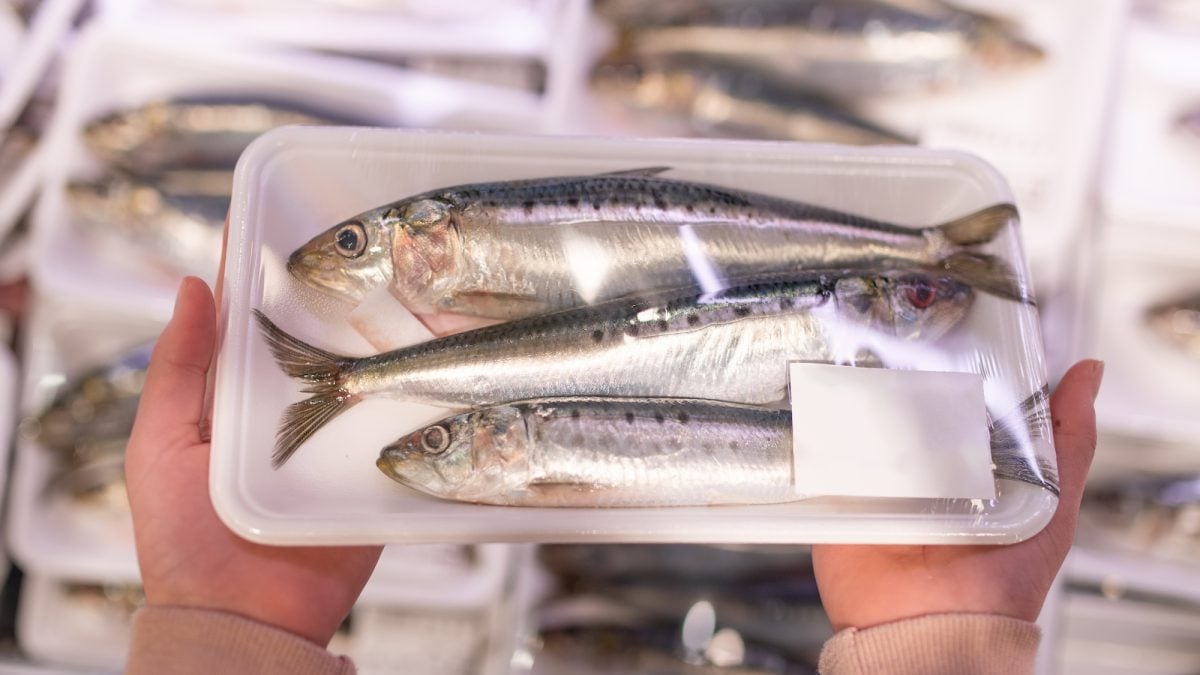
Buying fresh fish is not always possible. For a practical alternative, vacuum-packed frozen fish is often preferred: the absence of oxygen guarantees better preservation, and the packaging makes it easier to store in the freezer. However, experts warn of a little-known danger: thawing vacuum-packed fish in its sealed packaging could present a health risk.
An unsuspected danger linked to vacuum packaging
At first glance, vacuum packaging appears hygienic and secure. However, it can promote the development of a formidable bacteria: Clostridium botulinumresponsible for botulism. This rare but serious disease is usually associated with improperly sterilized canned goods, but it can also develop in an oxygen-deprived environment, such as vacuum packaging.
Alyssa Pilot, food safety specialist, explains to the media Well & Good : “Under anaerobic conditions like those in vacuum-packed foods, these spores can multiply and produce a toxin that attacks the nervous system.” Invisible and odorless, this toxin is extremely dangerous: a tiny quantity can cause serious symptoms or even be fatal without rapid treatment.
Early signs of botulism include:
- Digestive disorders (abdominal pain, nausea, vomiting, diarrhea);
- Blurred vision and difficulty accommodating;
- Dry mouth and swallowing problems;
- Progressive paralysis of the muscles.
Why fish are particularly concerned
The risk is even higher with fish, because a specific strain of Clostridium botulinum (type E) proliferates easily in an aquatic environment. Food safety expert Michael Ciaramella points out: “This type of bacteria can grow at low temperatures, down to 3°C.”
However, the recommended temperature for a refrigerator is 4°C. This means that vacuum-thawed fish in the refrigerator may still be at risk of this danger, as the temperature is not always low enough to prevent bacterial growth.
How to defrost fish sous vide safely?
Fortunately, there are simple actions to avoid this risk:
- Remove the fish from its vacuum packaging before defrosting. Oxygen prevents the development of toxins.
- Defrost it in the refrigerator, on a plate or other support. It is essential to maintain a temperature of 4°C or lower and avoid thawing at room temperature.
These precautions are not necessary for vacuum-packed meat, which does not pose the same risk of type E botulism. As Alyssa Pilot explains: “As long as they are well stored and cooked at an appropriate temperature, sous vide meats do not pose any particular danger.”
In summary, for safe consumption, it is always best to remove the vacuum packaging before defrosting fish. A simple gesture that can prevent a serious risk.