
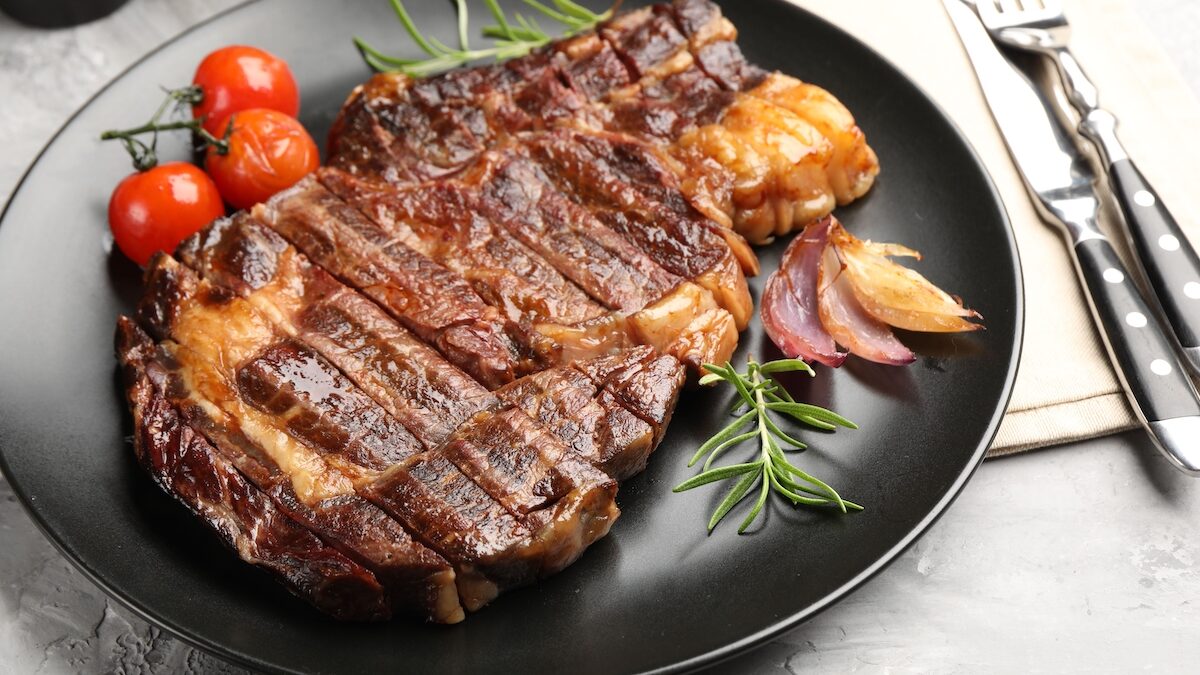
Among the French’s favorite meats, beef, although more expensive, is often a pleasure on the plates of good eaters. But is there a threshold that should not be exceeded? Or can we eat it very regularly? If red meat remains an interesting source of protein, iron and B vitamins, experts agree on one point: it is excess that poses a problem. Between cardiovascular risks, digestive cancers or metabolic effects, scientific data calls for moderation.
Risks well documented by studies
In fact, much epidemiological research links high consumption of red meat to an increased risk of chronic diseases.
Rich in saturated fats, beef, consumed in excess, promotes an increase in LDL cholesterol, which can increase the risk of cardiovascular disease and diabetes.
It is also linked to an increased risk of digestive cancers, in particular colorectal cancer, which represents nearly 45,000 new cases each year and more than 17,000 deaths.
According to a study published in the Journal of the American Medical Associationmen who consume large quantities of red meat have a 35% higher risk of developing colon cancer. Another major study showed that eating around 200g of meat per day increases the risk of tumors by 40% compared to eating only once or twice per week.
Several mechanisms explain this link:
- THE
heme ironpresent in red meat, promotes the formation of carcinogenic compounds in the intestine; - THE N-nitrosated compounds ;
- Toxic substances produced during cooking at very high temperatures.
The World Health Organization classifies red meat as “probably carcinogenic to humans.
Dr Corinne Chicheportiche-Ayache, nutritionist, clearly summarized in our pages: “Eating meat is not harmful. It’s eating too much meat that is harmful.”
What quantity is reasonable?
To limit the risks, the recommendations are precise.
According to ANSES and the National Nutrition and Health Program (PNNS), consumption of red meat should not exceed 500 g per week. Dietitian Amélie Curpain completed this information in True Medical:
“It is recommended to limit your consumption of red meat to 500 g per week. On the other hand, there is no real restriction for poultry.”
She also advised favoring lean cuts, such as beef tenderloin, in order to cover your protein needs while limiting saturated fats.
Varying protein sources, fish, eggs, legumes or poultry, also helps reduce risks while maintaining a good nutritional balance.
Cooking: a key factor often overlooked
Beyond the quantities, the way of cooking the beef also plays an important role.
“We must be vigilant with cooking at high temperatures and excessive grilling. The Maillard reaction, which colors food, also generates harmful substances which can, in the long term, cause various health problems,” explained Amélie Curpain.
In other words, that tasty grilled crust on a steak can become problematic when eaten regularly.
So what can you do to eat without too much danger?
- Avoid burnt grills or direct contact with the flame;
- Favor gentler cooking such as simmering, cooking in a moderate oven or steaming.
Should we stop eating beef completely?
That’s not to say that lovers of flank steak should fall into depression. Giving up red meat completely is not essential. When consumed properly, it provides interesting nutrients. The main thing is to make informed choices: limit portions (and not eat them every day), vary protein sources, avoid processed meats and adapt cooking methods.
Thus, it is possible to continue to enjoy a beautiful piece of beef… while preserving your health in the long term.