
Do you feel like you’re lacking protein, even if you fill your plate with yogurt, eggs and chicken? Many French people today are looking to increase their intake without necessarily eating more meat. In the grocery aisle, however, a discreet ingredient ticks all the boxes, but remains largely unknown.
These are textured soy proteins, also called textured soy or PST, widely used by vegetarians and which are starting to appeal to a much wider audience. “Although a few years ago it was a product reserved for vegetarians, today many people who want to improve their diet or reduce their meat consumption regularly include it in their meals.“, explains nutritionist Laura Parada, in the columns of Vogue magazine. Enough to arouse the curiosity of those who simply want to eat more protein.
Textured soy protein: a very simple meat substitute
In reality, this product is much less processed than it seems: it comes from defatted soy flour, the residue obtained when the oil is extracted from the seeds. “It does not contain any chemical additives or colorings and, in addition, its taste and odor are practically neutral“, observes Laura Parada. In other words, it easily takes on the flavor of the sauce or spices.
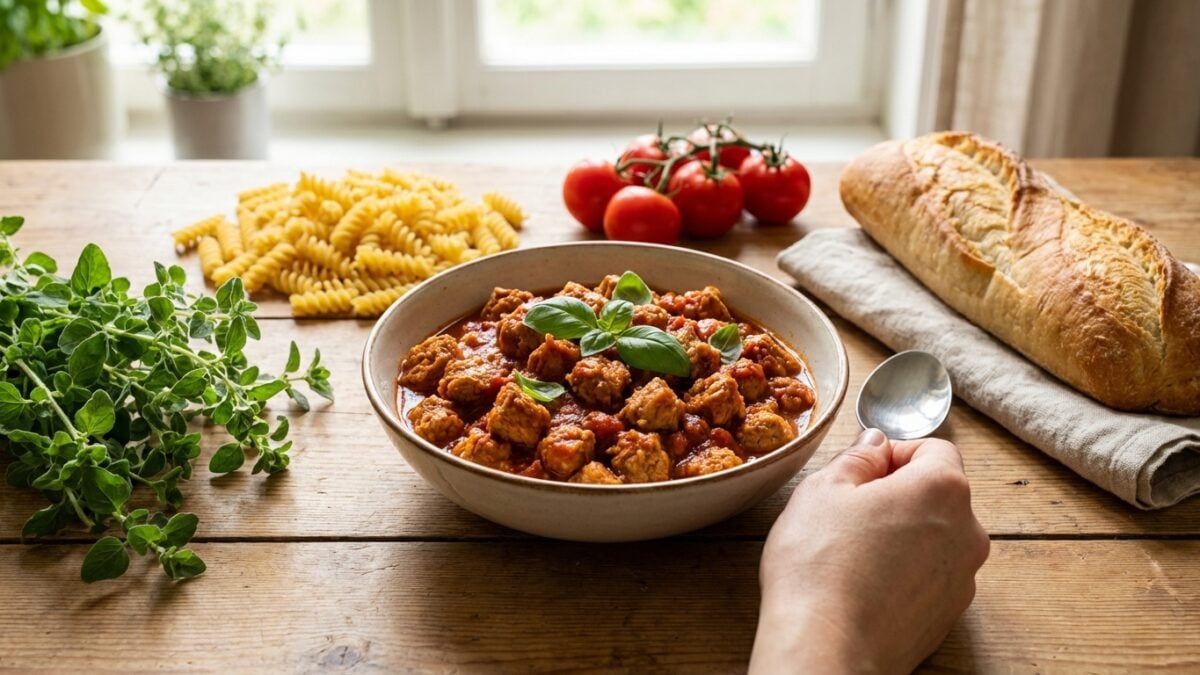
Once rehydrated in hot water or broth for about ten minutes, textured soy proteins swell and resemble ground meat. Depending on the form chosen (small granules or larger pieces), these replace the beef in a bolognese as well as the chicken strips in a wok or tacos.
A concentrate of proteins and nutrients good for the body
On the nutritional level, Laura Parada is categorical: “Textured soy protein offers a high content of high-quality protein, with less fat than animal products. Each cup of dehydrated soy protein provides approximately 48 g of protein and 300 calories, making it a light and very filling option.“. In practice, 100 grams of dry protein provides around 50 to 55 grams of protein, or as much – or even more than a steak – but with much less saturated fat.
Beyond proteins, this textured vegetable protein also contains interesting micronutrients. According to Laura Parada, “it provides calcium, iron, potassium, phosphorus and B vitamins and it is also rich in lecithin, a substance that helps the body absorb vitamins“. She adds that “textured soy can help regulate intestinal transit and prevent constipation, while reducing bad cholesterol levels“. The numerous fibers promote satiety and can help control weight.
How to Cook Textured Soy Everyday
“Many people soak it in broth, water, soy sauce and spices to enhance its flavor“, explains Laura Parada, who sees it as a practical basis for making bolognese or chili con carne.