
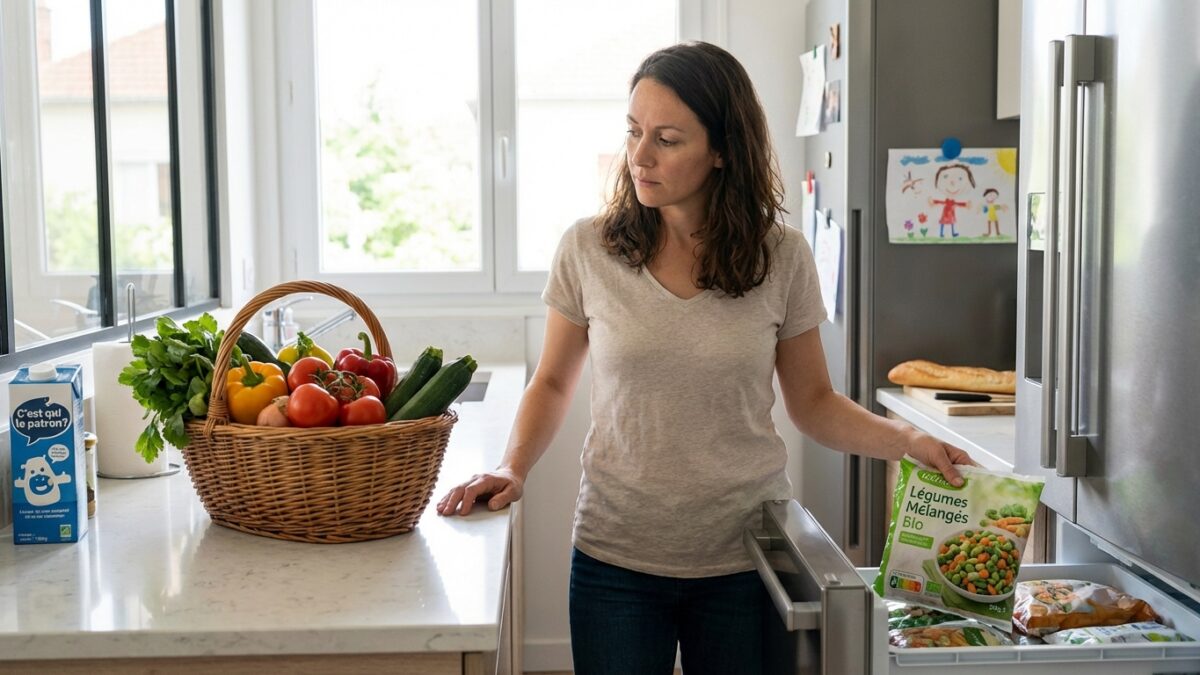
In kitchens, the debate comes up at every dinner: open a bag of green beans in the freezer or run out and buy “real” vegetables from the market. Between fear of poorly feeding your family and the old-fashioned image of frozen foods, the bag of peas often ends up in soup or last-minute gratin.
However, more than nine out of ten French people say they first trust products labeled “fresh”, when the bins of
frozen vegetables are perceived as less healthy, or even ultra-processed. Nutritional studies in recent years tell a different story. And what they show is enough to shake up our habits.
Frozen vs Fresh Vegetables: What the Nutrients Really Say
THE nutrients are “chemical compounds in foods that are used by the body to function properly and maintain health. Examples include proteins, fats, carbohydrates, vitamins and minerals”. In vegetables, that means vitamins like
vitamin C or the
vitamin B9minerals, dietary fiber, antioxidants and phytochemicals.
However, as soon as a vegetable is picked, it begins to lose nutrients. Dietitian Lacy Puttuck tells Food and Wine: “Research has shown that frozen vegetables have at least (as much) and sometimes more key nutrients than their fresh counterparts” Then : “Much of the difference comes from transportation and exposure of fresh vegetables which can degrade many nutrients. Sometimes fresh vegetables are also allowed to ripen in transit, and not on the vine as in the case of frozen vegetables.”. Tests of 60 Million consumers go in the same direction.
Why your fresh vegetables aren’t always more nutritious
Between fields, trucks, warehouses and refrigerators, a lot of
fresh vegetablesespecially out of season, remain for several days before being cooked. Some studies show that they lose a significant part of vitamin Cmore than many canned vegetableswhile industrial freezing preserves at least 80%.
THE frozen vegetables are generally picked when fully ripe and then quickly frozen, sometimes on site, and can remain in the freezer for up to twelve months without significant nutritional loss, at the cost of a less crunchy texture. For Lacy Puttuck, “Allowing produce to mature on the plant allows for greater absorption of nutrients from the soil and the plant itself as it matures to optimal quality. This gives the vegetables higher nutrient levels when they are picked and then frozen.”.
How to enjoy frozen foods without losing their health benefits
In the supermarket, the good reflex is to aim for bags of plain vegetables: short list of ingredients, without sauce or added salt. Lacy Puttuck recommends “look for packaging that says ‘quick frozen’. This means that the vegetables have been picked at full maturity and frozen very quickly after harvest, locking in most of the nutrients of a freshly picked vegetable.”.
She summarizes: “QWhether you choose fresh or frozen vegetables, you get a variety of vitamins, minerals, prebiotics and fiber that contribute to health from your diet“.
In terms of choice in the frozen section, dietician Alexandra Murcier advised you, as for fresh products, “to move towards organic and avoid prepared meals as much as possible, prioritizing raw products”. Furthermore, she recommends “keep your frozen fruits and vegetables for a maximum of 6 months, because beyond that they lose their vitamins”.