
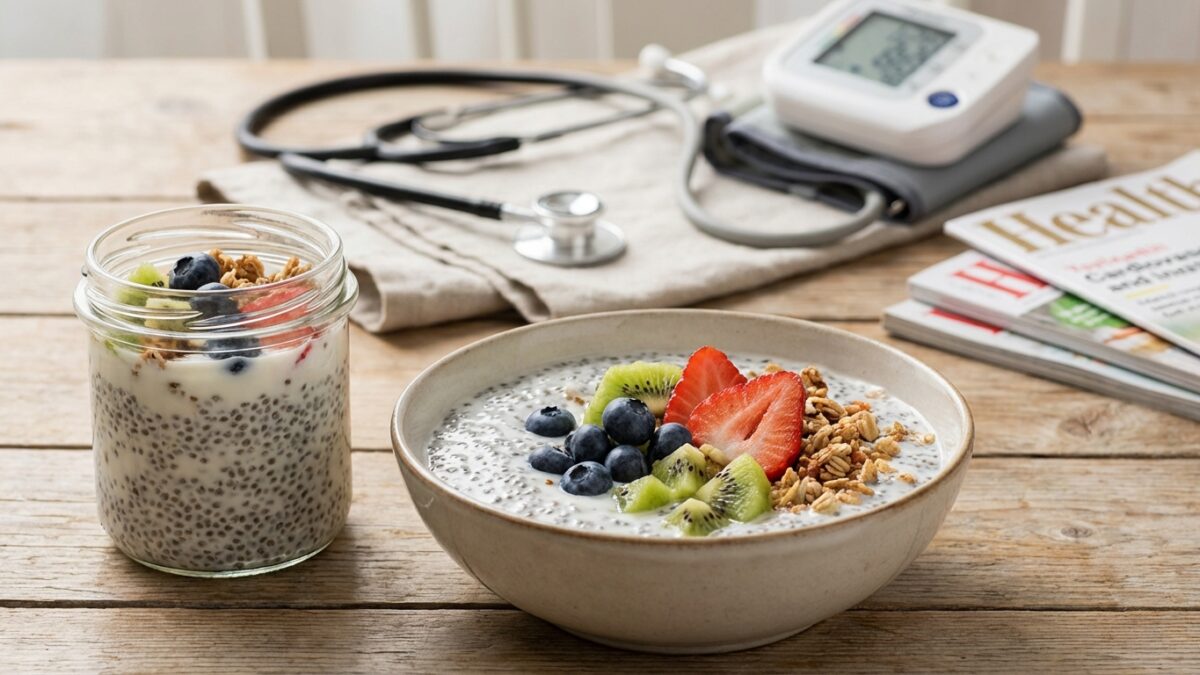
These black seeds that swell in Instagram puddings could well be essential health allies. Long classified as a fashionable superfood, chia seeds are now of interest to researchers, to the point that a new study has just confirmed that they don’t just look pretty in a bowl of yogurt.
Carried out by teams from Iraq and Iran, this meta-analysis shows that benefits of chia seeds go beyond fashion: lowering blood pressure and cholesterol, slight aid in weight loss and possible prevention of diabetes and cardiovascular disease. It remains to be understood how a tablespoon of seeds can trigger so many effects in the body.
Chia Seeds: What the New Study Reveals About Your Heart
Behind these results, scientists describe a cocktail of active compounds. Chia seeds provide
fibersof the
omega-3 plants, proteins and mucilage which swells on contact with water. Chinese researchers have shown that their oil, proteins and this natural “gum” help reduce inflammation and better regulate sugar and fatty acids in the blood.
Another advantage is their antioxidants and polyphenols, already studied for their possible protective role against certain breast, colon, liver or pancreatic cancers. “They are rich in fiber, omega-3 and protein, to help support heart health, digestion and satiety“, explains Marisa Moore, dietitian, quoted by Good Housekeeping.
Why chia seeds are a powerhouse of nutrients
“For their size, chia seeds are very nutrient dense“, recalls dietitian Laura Iu. There are around 16 g of proteins, more than 30 g of lipids and more than 30 g of fiber per 100 g, not to mention calcium, phosphorus, magnesium and potassium.
This profile nourishes several functions at the same time: fiber increases the volume of stools and relieves constipation, while serving as fuel for the good bacteria of the microbiota. Mucilage swelling in the stomach prolongs satiety, which can help with better portion management.
Daily benefits of chia seeds: instructions for use and precautions
You can eat chia seeds every day, as long as you start gradually. “A serving of chia seeds is 1 tablespoon. A small amount goes a long way!“, specifies nutritionist Anita Mirchandani. Beyond approximately 2.5 tablespoons, or around 10 g of fiber, gas, bloating or diarrhea become frequent, especially if the intestine is fragile.
To protect digestion, chia seeds should be well hydrated in a smoothie or yogurt, rather than chewed dry, which can bother people who have difficulty swallowing and young children. “Be careful with chia seeds if you have digestive issues like chronic bowel disease or are sensitive to foods very high in fiber. The right amount to consume will vary according to each person“, warns dietician Laura Iu. A study from Montefiore Medical Center described a rare but sometimes severe chia allergy in people sensitive to sesame.