
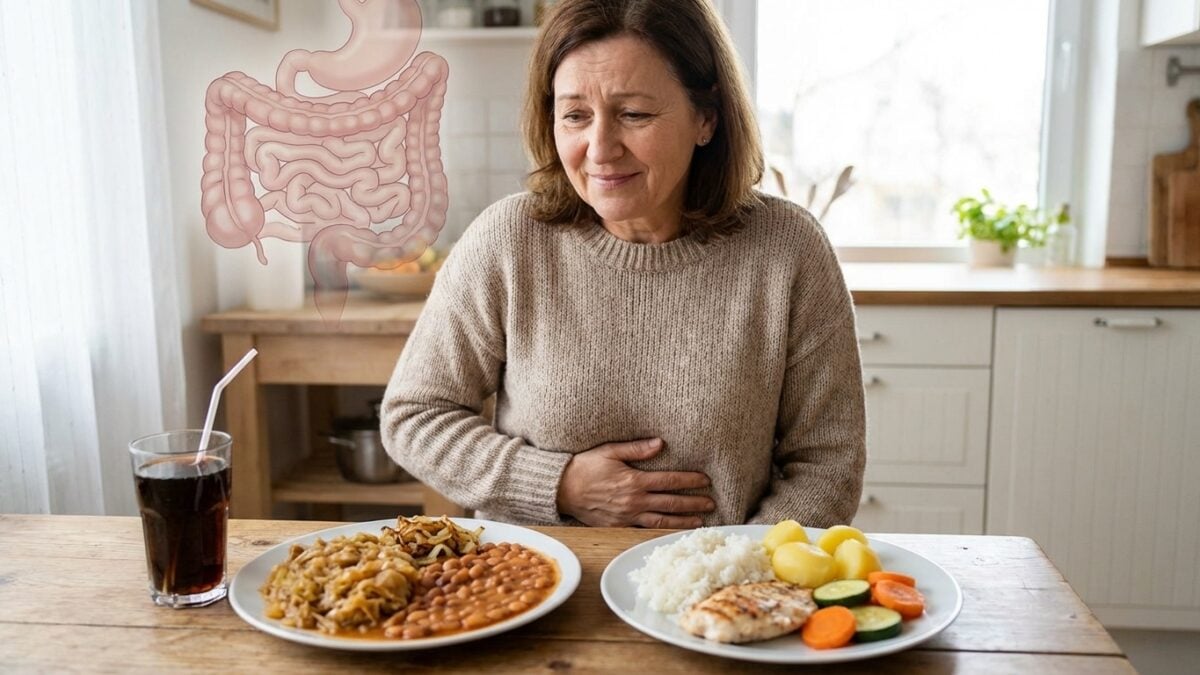
Abdominal pain, cramps, bloating, diarrhea or constipation… When irritable bowel syndrome sets in, each meal becomes a source of stress. Studies estimate that this functional colopathy affects 5 to 10% of French people, with often persistent symptoms, sometimes present for years.
A PrecisionBiotics survey indicates that 43% of adults believe their gut health affects their quality of life, a figure that rises to 65% among people with irritable bowel syndrome. Enough to make you want to take control of your plate again to calm the troubles… even if it means reviewing the foods on the menu in depth.
Irritable bowel syndrome: the key role of fiber and FODMAPs
In IBS, the intestine is more sensitive: certain fermentable sugars, grouped under the term FODMAP, are quickly transformed by the microbiota into gas, causing bloating and pain. Not everyone reacts to the same foods, hence the absence of a universal list of prohibited foods and the benefit of keeping a food diary to identify your own triggers.
For general practitioner Nisa Aslam, fiber remains a pillar, provided you dose it well. She reminds that adults should consume at least 30 g of fiber per day, via whole grains, nuts, quinoa, vegetables and fruits, which nourish good intestinal bacteria. She summarizes: “A low-fiber diet may be beneficial for diarrhea, while a high fiber intake may be beneficial for constipation“, explains Doctor Nisa Aslam in the columns of SurreyLive.
Foods to avoid or limit when the intestine is irritable
Several families of foods frequently come up in patients’ testimonies: dairy products rich in lactose, wheat, rye and barley (breads, pasta, pastries), certain very sweet or dry fruits, sugary and carbonated drinks, alcohol, strong coffee, as well as fried foods and fatty dishes.
A low FODMAP diet, when properly conducted, improves symptoms in approximately 70% of patients. However, specialists point out that it should not be implemented as first intention or without dietary monitoring, because it can lead to deficiencies and modify the microbiota.
Very fermentable vegetables often pose a problem. Nisa Aslam explains that avoiding “Cruciferous vegetables like cabbage, cauliflower and Brussels sprouts, as well as legumes like peas, beans and lentils, help reduce gas and bloating“. A temporary reduction, followed by a gradual reintroduction, allows you to test your tolerance without excluding these foods permanently.
The right foods to soothe the colon and improve transit
Conversely, certain foods are generally better tolerated: rice, potatoes, sweet potatoes, quinoa, cooked vegetables rich in soluble fiber (carrots, zucchini, squash, green beans), as well as poultry, white fish and eggs.
As for fruits, ripe bananas or citrus fruits, consumed in moderate portions, are often well tolerated. The objective is to very gradually increase soluble fiber, particularly in cases of constipation, while remaining cautious if diarrhea predominates.
A typical day can then consist of: for breakfast, oatmeal with a ripe banana; for lunch, rice and chicken with cooked carrots; as a snack, a yogurt adapted to your tolerance; for dinner, white fish with zucchini and potatoes. All this by chewing well, avoiding overly copious meals and drinking regularly, in order to support transit without tying up your diet in a straightjacket.