
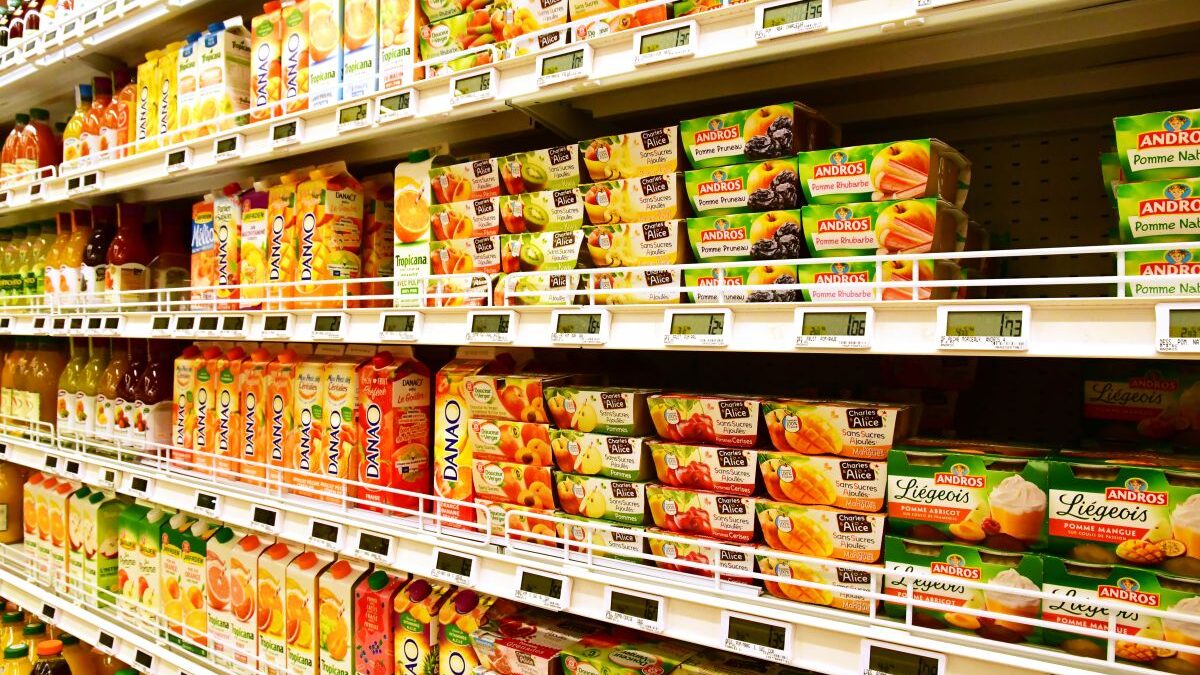
You just have to browse the shelves of our supermarkets to see the phenomenon: in five years, the supply of compotes has exploded. With nearly 150 references in certain brands, the stalls are expanding visibly. The main person responsible for this success? The practical, portable bottle format has become a favorite with children and parents alike.
How to choose the right compote? Advice from our expert
If compote is a practical product, Julie Boët, dietician-nutritionist, reminds us that the danger is often hidden in the sugar content and the quality of the processing. Here are his recommendations for making the right choices:
- Choose “no added sugars”. This statement guarantees the absence of sucrose, glucose-fructose syrup or other sweeteners. “The ideal is that the sugar present comes only from the fruits themselves. To be sure, take a look at the list of ingredients: it should be short and contain only fruit (sometimes a little lemon juice or natural pectin)” she explains;
- Beware of “lite” versions. They may contain sweeteners (such as aspartame or sucralose), which are not necessarily desirable for regular consumption. “Also avoid artificial flavors, colorings or preservatives, especially if they are not necessary for preservation. warns the dietitian;
- Check nutritional quality and fruit content. “Check that the compote does not contain too much added water, which dilutes the benefit of the product. A good compote contains at least 85 to 90% fruit” underlines Julie Boët. She also recommends monitoring the fiber content, which is often low. “Choose those with chunks or a rustic texture, which retain some of the fiber“. As such, certain references such as Andros Cœur de Fruits (85% fruit) or Charles & Alice (99.8% fruit) stand out for their richness in fiber;
- Choose products with labels. The AB label guarantees cultivation without synthetic pesticides. “The “no pesticide residue” label can also be a good compromise“, remarks Julie Boët.
A healthy dessert, but to be consumed with common sense
Despite its advantages, compote remains a processed product. “Generally low in fiber and with a high glycemic index, it causes a rapid rise in blood sugar, especially if consumed alone.” explains Julie Boët.
“The ideal is to combine it with an oilseed (a few almonds, for example) and/or a natural dairy product to slow down the absorption of sugar.”
The homemade alternative: the best choice
To perfectly control what you consume, nothing replaces homemade. Julie Boët offers a quick and simple recipe, ideal in June with seasonal products like rhubarb and strawberries:
- Take 4 stalks of rhubarb, peeled and cut into sections, as well as 250 g of washed and hulled strawberries;
- Cook over very low heat in a closed saucepan for 30 to 40 minutes (slow cooking protects the nutrients);
- No need for water or sugar: fruits release them naturally;
- Taste, mix or crush according to the desired texture. You can add a pinch of cinnamon, a vanilla pod or a little lemon juice to enhance the taste.
“It’s a real concentrate of taste, fiber and no added sugars.”concludes the expert. Something to enjoy while taking care of your health!