
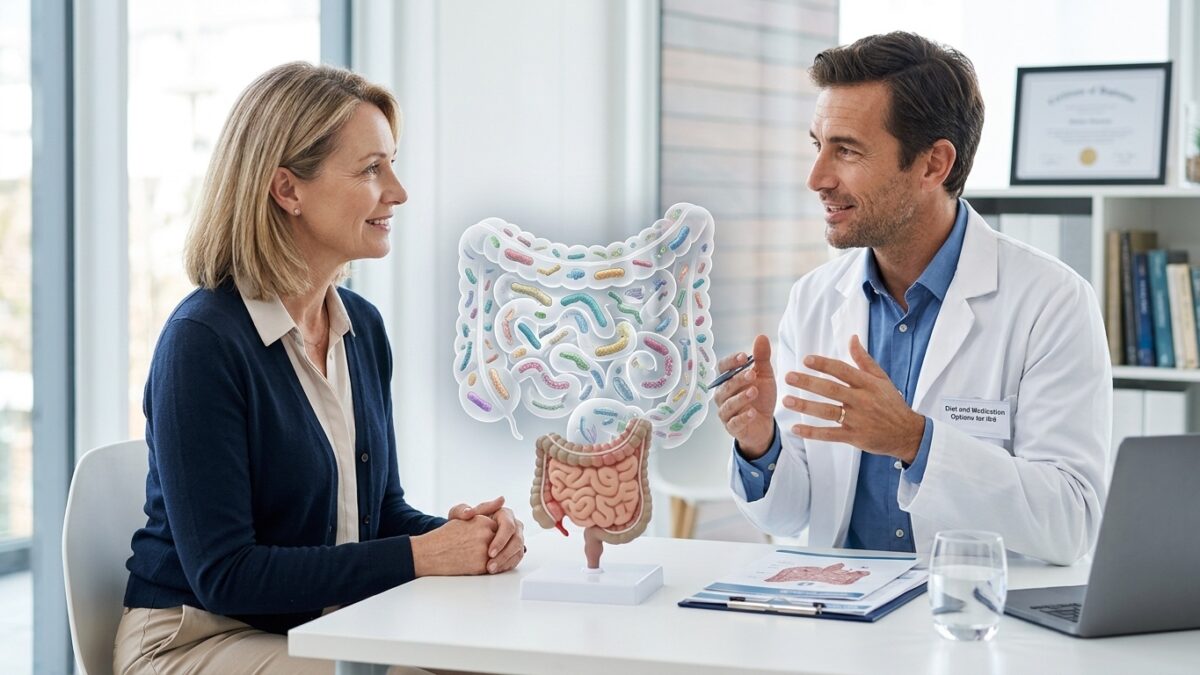
For millions of people suffering from irritable bowel syndrome, finding effective treatment is often a matter of trial and error. Between restrictive diets and medications, results vary greatly from one patient to another. An American team therefore sought to understand if it was possible to predict, in advance, which treatment would work best.
Their idea: look at the intestinal microbiota, that is to say all the bacteria present in our intestine. According to their work, its composition could provide valuable clues to guide the choice of treatment and avoid long and frustrating procedures.
A study to compare two approaches
The study, conducted among 65 adults with a form of the syndrome characterized by diarrhea (IBS-D), compared two common strategies:
- A diet low in FODMAPs (fermentable sugars known to cause digestive symptoms).
- An antibiotic called rifaximin, which works directly in the intestine.
For two weeks, participants followed one of these two approaches. The researchers then tracked the progress of their symptoms, such as abdominal pain and bloating, for more than a month. At the same time, they analyzed stool samples to study the microbiota.
Result: the two treatments provided generally similar relief. But what really sets patients apart is their starting microbiota.
The microbiota, a key indicator
By analyzing the data, the researchers identified several profiles:
- Patients who respond to the FODMAP diet
initially had fewer bacteria specialized in digesting fermentable sugars. During the diet, their microbiota became more diverse, which is generally considered positive; - Those who respond to rifaximin
presented more bacteria capable of producing molecules beneficial to the intestine, such as short-chain fatty acids, or of regulating bile acids, involved in digestion; - Patients who do not respond to either treatment had a microbiota dominated by bacteria that degrade proteins. This process can produce substances that irritate the gut, which could explain the lack of improvement.
Notable fact: respiratory tests although used in practice (such as measuring hydrogen) have not made it possible to predict the effectiveness of treatments.
Towards tailor-made treatments?
These results pave the way for more personalized medicine for irritable bowel syndrome. Ultimately, analyzing a patient’s microbiota could help directly choose the most suitable treatment, without going through several unsuccessful trials.
But researchers remain cautious. The study is small and needs to be confirmed by larger work. Currently, there is no standardized microbiota test recommended in clinical practice to guide therapeutic decisions.
In France as elsewhere, these analyzes remain mainly used in the context of research or offered by private actors, without official recognition to guide care.