
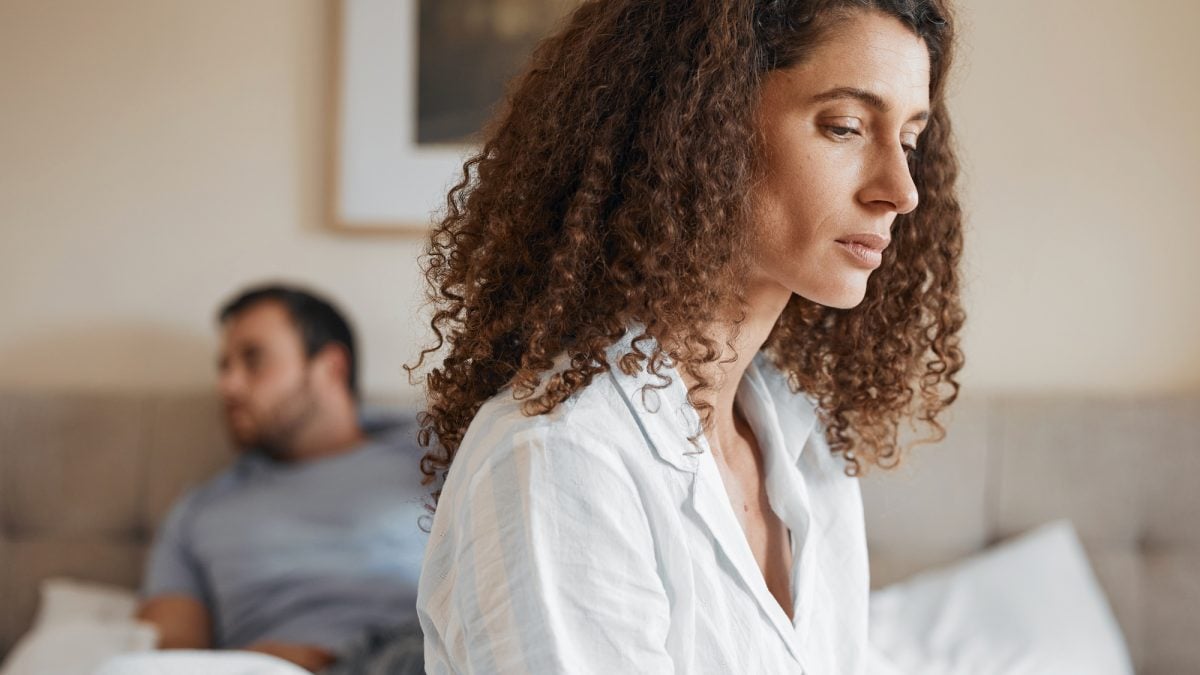
After 5, 10 or 15 years, love evolves and takes shape differently. If this evolution is natural, even almost inevitable, what should you do when your other half changes profoundly? Is it still possible to come together, when the gap already seems to have widened? Amélie Boukhobza, clinical psychologist, gives us some answers.
A natural evolution
Your man was sporty, intrepid and courageous – and today he is nothing more than a housewife? We grant you – change can be brutal. But there are many reasons why someone is no longer the person you fell in love with.
“It’s completely normal to feel like your partner, or even yourself, has become another version of yourself over time“, explains Alyssa Petersel, CEO and founder of MyWellbeing, to the media Verywellmind. “Relationships, like individuals, evolve.”
Professional retraining, life challenges, personal development… The factors for change are multiple and varied. To the point that it can be difficult to find yourself.
“This is often how it all begins. One day we look at the other and something has changed. Subtly, imperceptibly, everything has shifted. Tender gestures become rarer, annoyance sets in, silences are prolonged, sometimes even anger bursts out.” underlines Amélie Boukhobza, clinical psychologist. “We obviously think he has changed. But often, it’s simply the relationship that has matured. And with it, the illusions that fell.”
Because the beginning of a story is always shrouded in a veil, like a filter: “we only see what we want to see. We project, we idealize. Don’t they say that love makes you blind?” continues the expert. “Then everyday life sets in. And with it its share of fatigue, responsibilities, small adjustments. The other person no longer fits the ideal image we had of him. Not because he has become someone else, but because we begin to see him as he really is. With his moods, his faults, his little quirks…”, she specifies.
This is where the real question arises: “can I love this too? Not just what I was hoping for, but the whole person?”asks the expert.
“Giving up your ideal”
“Adjust your expectations, talk to each other differently, relearn how to be curious about the other, invent what’s next… A love of two weeks is not that of six months, nor of five or twenty years. “It’s evolving and that’s normal.” underlines the expert.
What if, despite everything, the relationship gets stuck?
“Love is not fixed. It is alive, moving. It’s up to us to see what we really want!” concludes the practitioner.