
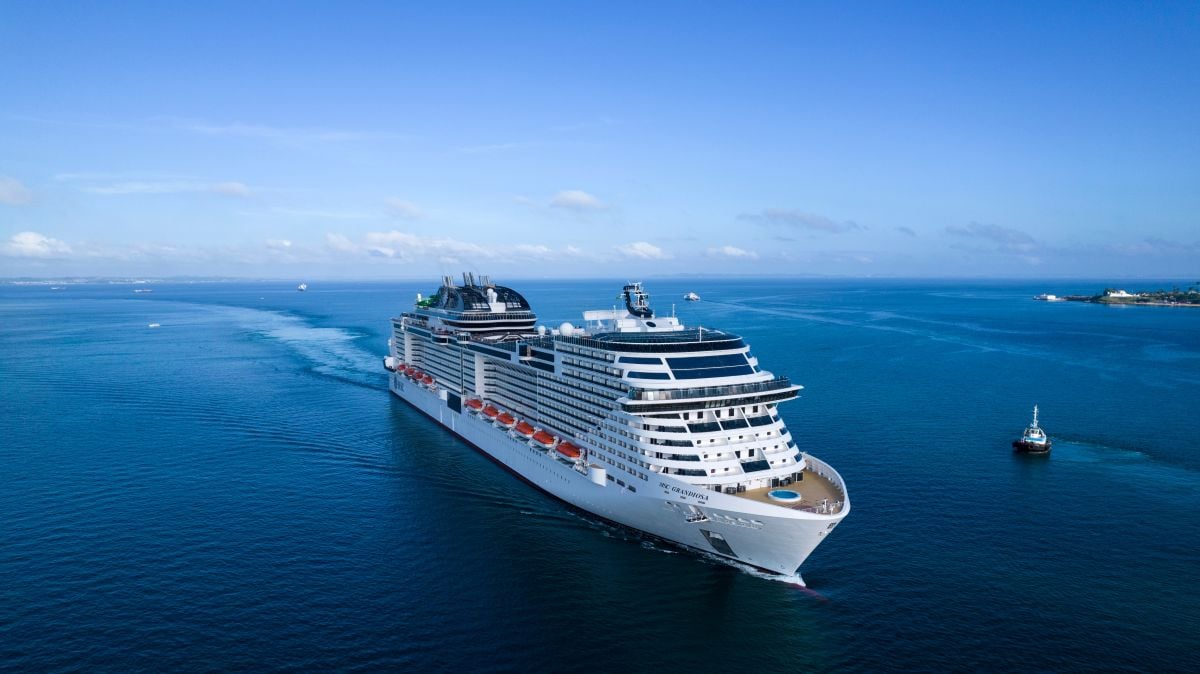
On Sunday May 3, 2026, the World Health Organization (WHO) confirmed the existence of an outbreak of acute respiratory syndrome on board the MV Hondius. This ship, which operated between Ushuaïa and Cape Verde, now has three victims and several suspected cases. According to Dr. Gérald Kierzek, emergency physician, “hantavirus is a viral infection transmitted mainly by rodents” which, in its pulmonary forms, can prove formidable.
A drama on the high seas: three deaths and suspected cases
“To date, one case of hantavirus infection has been laboratory confirmed, and five other cases are suspected. Of the six affected people, three have died and one is currently in intensive care in South Africa,” the UN agency said.
More is known about two of the deceased victims. The first is a 70-year-old cruise passenger who died on board. His wife, aged 69, died shortly after being transferred to a hospital in Johannesburg. Another passenger, a British national, is currently fighting for his life in intensive care.
The WHO said a total of 170 passengers and 70 crew members were on board the ship. “WHO has been informed of a public health event involving a cruise ship sailing in the Atlantic Ocean and is providing support” she said, emphasizing that sequencing of the virus is underway to understand this specific strain.
What is hantavirus and how is it transmitted?
First identified during the Korean War, hantaviruses are zoonoses, diseases transmitted from animals to humans. The main reservoir is small rodents (rats, mice, voles).
The mode of contamination is often accidental. As Dr. Kierzek explains, “contamination occurs mainly by inhaling particles from urine, stool or saliva of rodents, in particular via dust raised during cleaning of an infested area..
Although the WHO mentions possible human-to-human transmission for certain rare strains, Dr Kierzek recalls that to date,
“there is no human-to-human transmission“classic for the majority of cases recorded.
Flu-like symptoms that can get worse
The diagnosis is complex because the first signs are not very specific. According to Dr. Kierzek, “symptoms often begin 1 to 6 weeks after exposure and initially resemble the flu: fever, chills, fatigue, headache, muscle aches.”
There are two main forms:
- The hemorrhagic and renal form: More common in Europe (around 100 cases per year in France), it is generally less severe;
- The pulmonary form: Typical of the American continent, it is much more serious. “In severe forms, shortness of breath can appear quickly.warns the doctor. It is this form which seems to affect the passengers of the MV Hondius, with complications such as pulmonary edema.
Hantavirus gained media attention last year following the March 2025 death of Academy Award-winning actor Gene Hackman’s wife from a respiratory illness caused by the pathogen.
Treatment and prognosis: absolute vigilance
There is currently no validated vaccine or specific antiviral treatment. Treatment is based exclusively on supportive care in a hospital environment. “This may include oxygen, prevention of dehydration, fever-reducing medications, and sometimes hospitalization in intensive care if breathing or circulation worsens.”specifies Dr. Kierzek.
The prognosis can be poor for the pulmonary form, where mortality can reach 30 to 40%. However, “hantavirus is not always fatal”reassures the expert, provided there is early detection.
In conclusion, if you have traveled to risk areas or been in contact with rodents, vigilance is required. Dr. Kierzek advises to “consult urgently in case of fever after exposure, especially if there is shortness of breath, cough or significant discomfort“.