
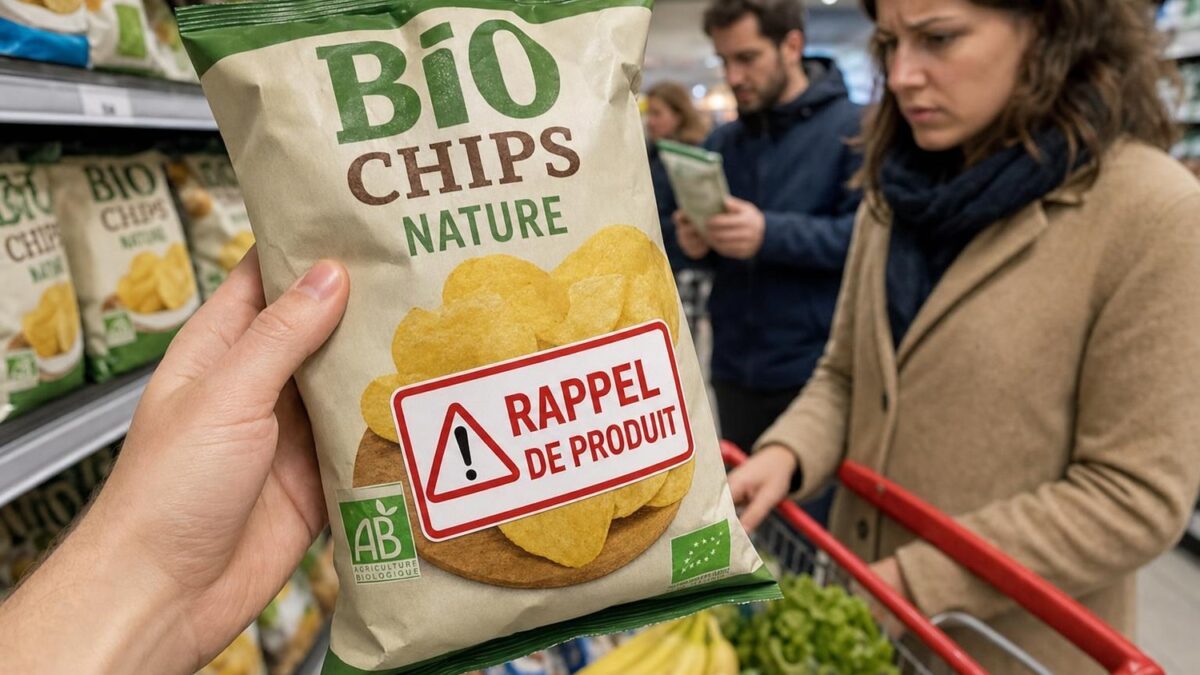
A batch of organic potato chips 200 g
sold in the Biocoop network is the subject of a national recall due to a content considered too high in acrylamide, a chemical substance resulting from cooking. According to the official dangerous product recall platform RappelConso, the recall was posted online on May 6, 2026 and consumers are invited to no longer consume these chips and to return them to the store for a refund or exchange.
The product concerned, named “Organic Potato Chips 200g”, is manufactured by ALTHO and distributed in Biocoop stores in France. This reminder of organic chips due to excess acrylamide also raises a broader question: what exactly is acrylamide, what is the real risk, and how can we limit daily exposure without giving in to excessive alarm?
Recall of organic potato chips 200 g: which products are affected?
RappelConso, the official portal managed by the French authorities, indicates that a single specific batch of recall organic potato chips 200g is targeted. These are 200 g sachets, without any apparent commercial brand, manufactured by ALTHO and distributed in the Biocoop store network throughout the country.
The recall sheet specifies the technical references to check on the package:
- GTIN 3497917002314 Lot G14388849703L2 Minimum durability date 12/30/2026
- Start of marketing date: Since 04/02/2026
- Date the recall was posted online: 05/06/2026
- End date of the recall procedure: Monday July 6, 2026
- No specific consumer contact details are indicated on the RappelConso sheet for this recall (only the “return to point of sale” and “reimbursement/exchange” methods).
The official recommendation remains to no longer consume this batch, even after the formal end of the procedure, and to return it to the store for a refund or exchange.
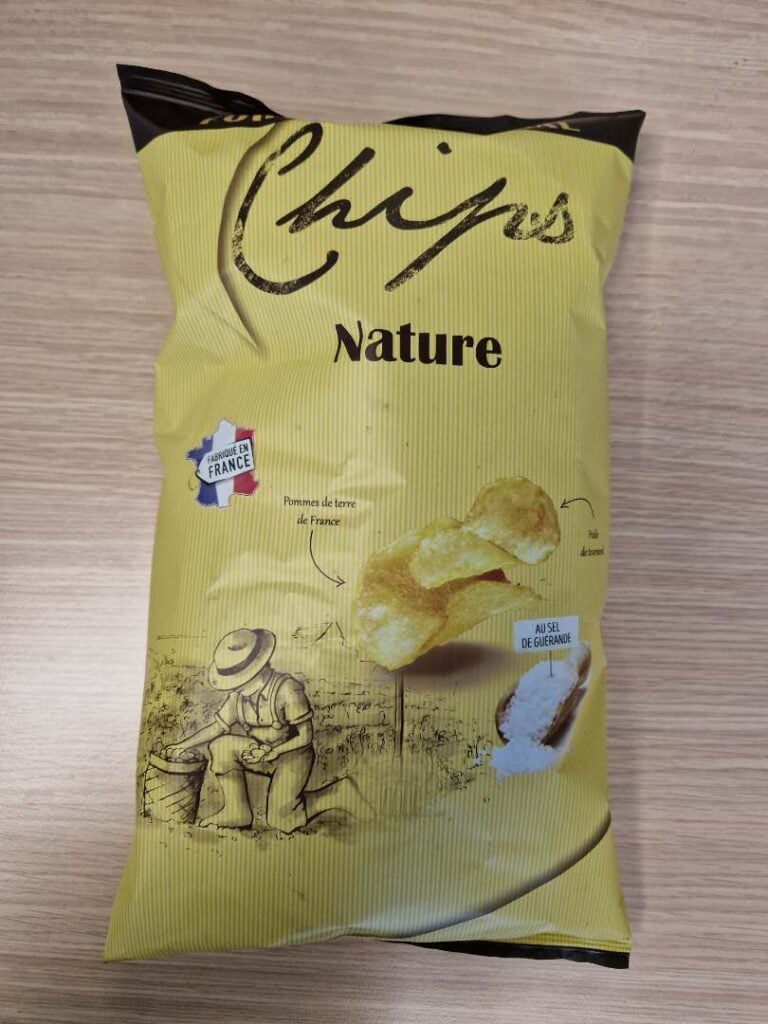 © rappel.conso.gouv.fr
Acrylamide in potato chips: what is it?
The National Agency for Food, Environmental and Occupational Health Safety (ANSES) explains that theacrylamide is a substance that forms when starchy foods (potatoes, cereals) are cooked above 120°C, for example when frying, roasting or baking. It is a “neoformed contaminant”: it does not exist in raw food, but appears with the browning reaction typical of fries, crisps or biscuits.
According to ANSES, acrylamide is classified as a proven carcinogen in animals and possible in humans, and French food surveys show that fried or fried potatoes are the primary source of exposure, ahead of coffee in adults and sweet biscuits in children. The agency indicates that average exposure decreased by approximately 14% in adults and 45% in children between 2005 and 2011, but that the safety margin remains too low to consider this contaminant to be of little concern. The European Food Safety Authority (EFSA) concluded in 2015 that acrylamide in food potentially increases the risk of cancer for consumers of all ages, with proportionally higher exposure among children.
On this basis, the European Commission adopted Regulation (EU) 2017/2158, which requires manufacturers to reduce acrylamide in certain food categories, including crisps, and to regularly monitor their levels. In this recall, RappelConso reports a “higher acrylamide result > 1500 µg/kg”, which justifies corrective action at batch level.
What to do with these recalled chips and how to limit acrylamide in your daily life?
For the batch concerned, the official conduct indicated by RappelConso is simple: no longer consume these chips, even if the bag is already opened, and return them to the Biocoop store where they were purchased, in order to obtain a refund or exchange. Acrylamide acts over the very long term and does not cause specific immediate symptoms after isolated consumption. In the absence of discomfort or unusual signs, an emergency consultation is generally not necessary. In the event of serious concern, very frequent consumption of chips and fries, pregnancy or chronic illness, talking about it with your doctor allows you to place this factor among all the risks (tobacco, alcohol, overall diet, sedentary lifestyle) and to adjust the advice.
To reduce daily exposure, ANSES recommends cooking starchy foods to a golden color rather than very brown, monitoring the temperature of frying oil and avoiding eating blackened or burnt parts. The EFSA points out that we cannot completely eliminate acrylamide from the diet, but that a varied diet, rich in fruits, vegetables and legumes, and the occasional consumption of fried foods or crisps, help to limit the risk. The fact that a product is organic does not change this mechanism: acrylamide depends mainly on the temperature and cooking time, not on the method of agricultural production.
This article is intended for information purposes and in no way replaces medical advice. If you are unsure about your exposure to a recalled product, or have a question related to your diet or health, it is recommended that you consult your physician or qualified healthcare professional.