
In France, nearly 17 million adults are hypertensive, or around 1 in 3 adults, and nearly 6 million are still unaware of it. However, this figure is not trivial: high blood pressure increases the work of the heart, which becomes exhausted and constitutes a significant cardiovascular risk factor (myocardial infarction, stroke, etc.).
Faced with this observation, many French people regularly take their blood pressure to reassure themselves. But a small error often persists: the most revealing number is not always the one to which we pay the most attention.
This figure to watch more closely
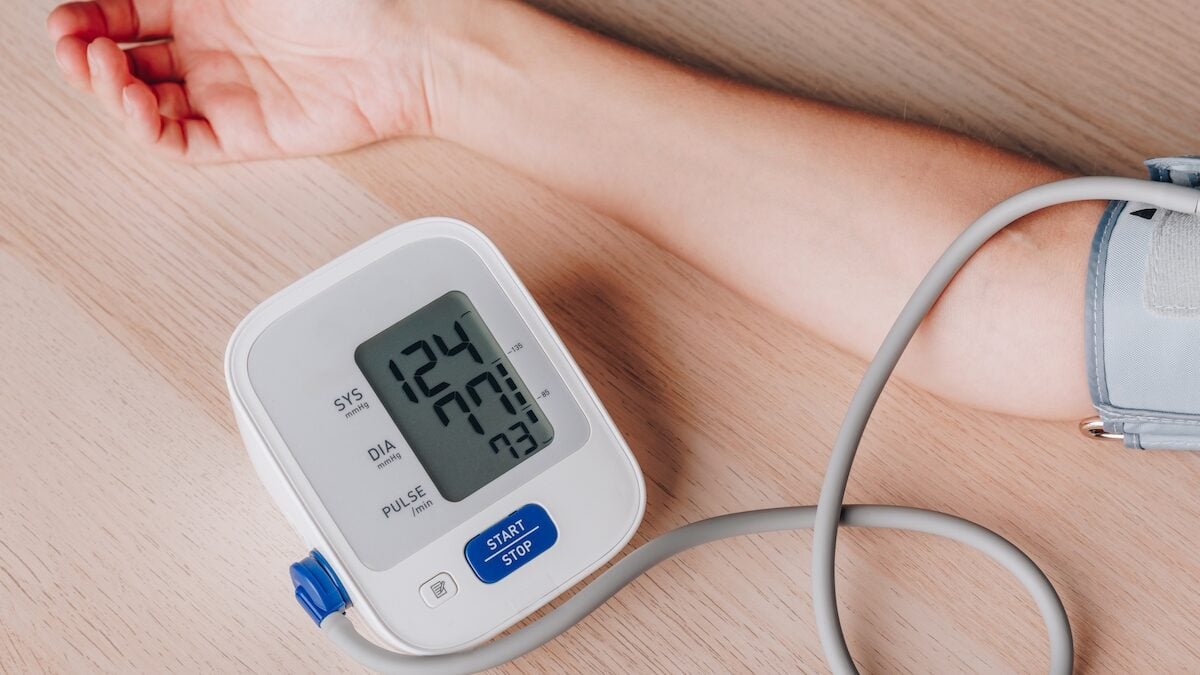
When you measure your blood pressure, two numbers appear on the blood pressure monitor screen. And contrary to what many think, it is especially the first number that deserves special attention.
Dr. Gérald Kierzek explains that so-called “systolic” blood pressure is today considered the best indicator of long-term cardiovascular risk.
In a measurement like 120/80 mmHg:
- The first number corresponds to the systolic pressure;
- The second corresponds to diastolic pressure.
Systolic pressure represents the maximum pressure exerted on the arteries when the heart contracts to pump blood through the body.
The higher this figure rises, the more the blood vessels and the heart are subjected to high pressure on a daily basis.
Conversely, diastolic pressure corresponds to the minimum pressure when the heart relaxes between two beats.
Why is systolic blood pressure more worrying?
With age, the arteries naturally lose flexibility. Result: the first number of blood pressure often increases gradually, even in people who feel healthy.
However, studies show that this increase in systolic pressure is closely linked to the risk of heart attack, stroke, heart failure or even kidney damage.
We speak of high blood pressure from:
- 140/90 mmHg in the doctor’s office;
- or 135/85 mmHg self-measured at home.
Isolated diastolic hypertension — when only the second number is elevated — also exists, especially in younger adults. But it generally exposes you to less frequent cardiovascular complications than increased systolic pressure, especially after the age of 50.
When should you be concerned?
Blood pressure considered normal is around 120/80 mmHg.
On the other hand, several repeated measurements above the recommended thresholds should alert, especially if the first figure regularly exceeds 14 (140 mmHg). Even without symptoms, hypertension can silently damage arteries for years.
Unusual fatigue, headache, shortness of breath or palpitations may sometimes appear, but many patients feel absolutely nothing. This is what makes screening so important.
How to properly measure your blood pressure at home
To obtain a reliable result, a few simple rules are essential:
- Sit quietly, after at least 5 minutes of rest;
- Place the arm at heart level;
- Avoid coffee, cigarettes or physical exertion just before the measurement;
- Take 2 to 3 measurements spaced one minute apart;
- Then calculate the average of the results.
It is also advisable to measure your blood pressure at a fixed time for several days in order to avoid occasional variations linked to stress or fatigue.
If several measurements exceed 135/85 mmHg at home or 140/90 mmHg at the doctor’s office, a consultation is necessary in order to assess the overall cardiovascular risk and, if necessary, implement lifestyle and dietary measures or appropriate treatment.
Good reflexes to protect your heart
Good news: in many cases, a few lifestyle changes can already lower blood pressure:
- Limit salt and ultra-processed products;
- Practice regular physical activity;
- Reduce alcohol;
- Stop smoking;
- Better manage stress;
- Maintain a stable weight.
Because when it comes to hypertension, monitoring the right number can allow you to act before serious complications appear.