
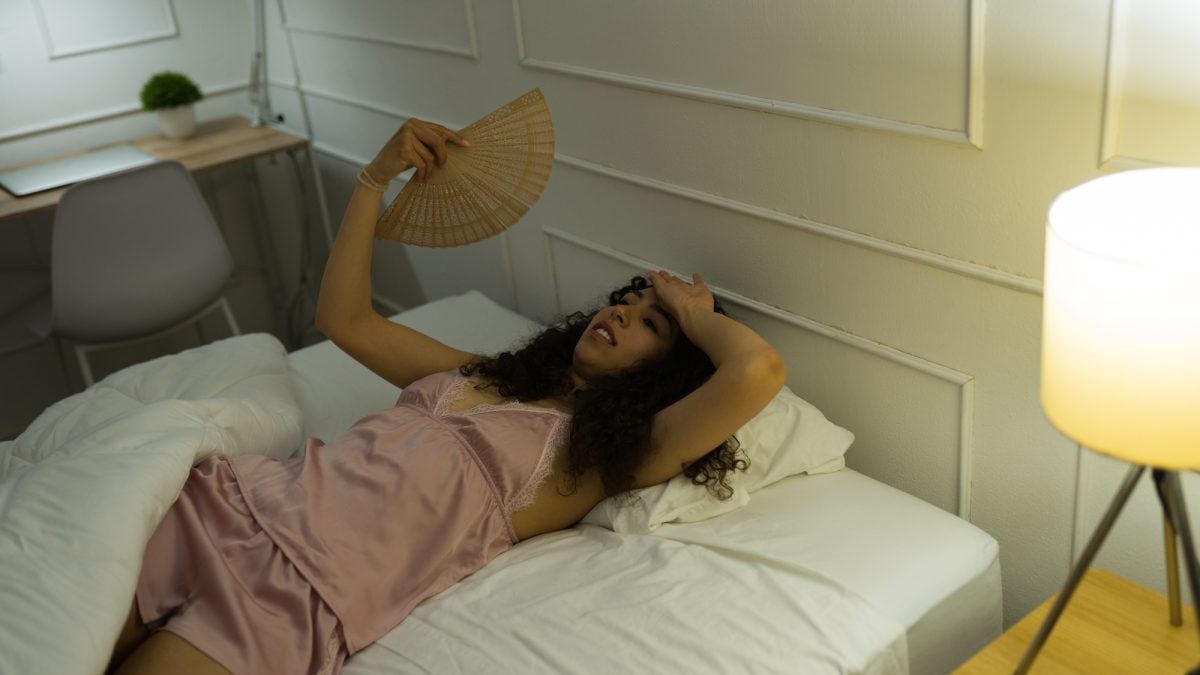
With rising temperatures, nights become sweaty, restless… and sleep becomes more fragile. Even without a heatwave, the heat is enough to prevent you from falling asleep or cause you to wake up at night. To help everyone regain quality rest, Dr Gérald Kierzek, emergency doctor and medical director of True Medical, shares eight simple and effective actions to apply every evening.
Take a lukewarm shower before sleeping
The conventional wisdom is that a cold shower is ideal for cooling off. However, it often triggers a reverse thermal reaction. Dr. Kierzek recommends a lukewarm shower instead. It helps to slightly lower body temperature, which naturally promotes falling asleep. No need for shivers: just a little warmth to soothe the body and signal to the brain that it’s time to sleep.
Drink enough, even at night
Dehydration is a sneaky enemy of sleep. Even while sleeping, the body continues to sweat. The doctor suggests drinking regularly throughout the evening, and keeping a bottle of cool water near your bed. This helps avoid awakenings linked to a dry mouth or general discomfort. A few sips are enough, no need to drink in excess.
Focus on breathable bedding
Satin sheets or synthetic materials? Bad idea. Dr. Kierzek recommends opting for lightweight cotton, a breathable material that absorbs sweat better. Heavy blankets should be put aside until fall. A thin duvet cover, or even a simple sheet, is more than enough. The more the body can breathe, the deeper the sleep.
Create a breeze in the evening
Even without an air conditioner, you can cool a room effectively. The doctor recommends opening two windows opposite each other as soon as the outside temperature begins to drop, usually at the beginning of the night. This creates natural air circulation and brings in freshness. If the accommodation does not allow it, opening the door to another room or placing a fan near the window can amplify this effect.
Optimize fan use
A fan blows hot air if used incorrectly. Dr. Kierzek recommends a simple tip: place a bottle of ice water or a bowl filled with ice cubes in front of the device. The projected air is thus charged with freshness, creating an air conditioning effect without additional electricity. Placed high up or directed towards the ceiling, the fan also avoids direct blowing on the face.
Keep shutters closed during the day
The heat doesn’t just come from outside in the evening, it sits in the walls all day long. The good reflex is therefore to close shutters and curtains from the early hours of the morning, just after ventilating. This limits the entry of solar rays and maintains a more stable temperature inside. A simple gesture, but often overlooked.
Lighten evening meals
Dinner also influences the quality of sleep. In summer, Dr. Kierzek recommends eating light, avoiding hot, heavy, or spicy foods. He advises favoring foods rich in water such as raw vegetables, cold soups or fruits. In addition to being more digestible, these foods contribute to overall hydration, a valuable asset during hot nights.
Refresh the body just before bed
For those who continue to feel hot despite all these efforts, one last solution is necessary: moisten the body. Dr. Kierzek suggests using a mister, or simply a glove or damp cloth passed over the arms, legs, neck. This feeling of immediate freshness allows you to fall asleep in better conditions.