
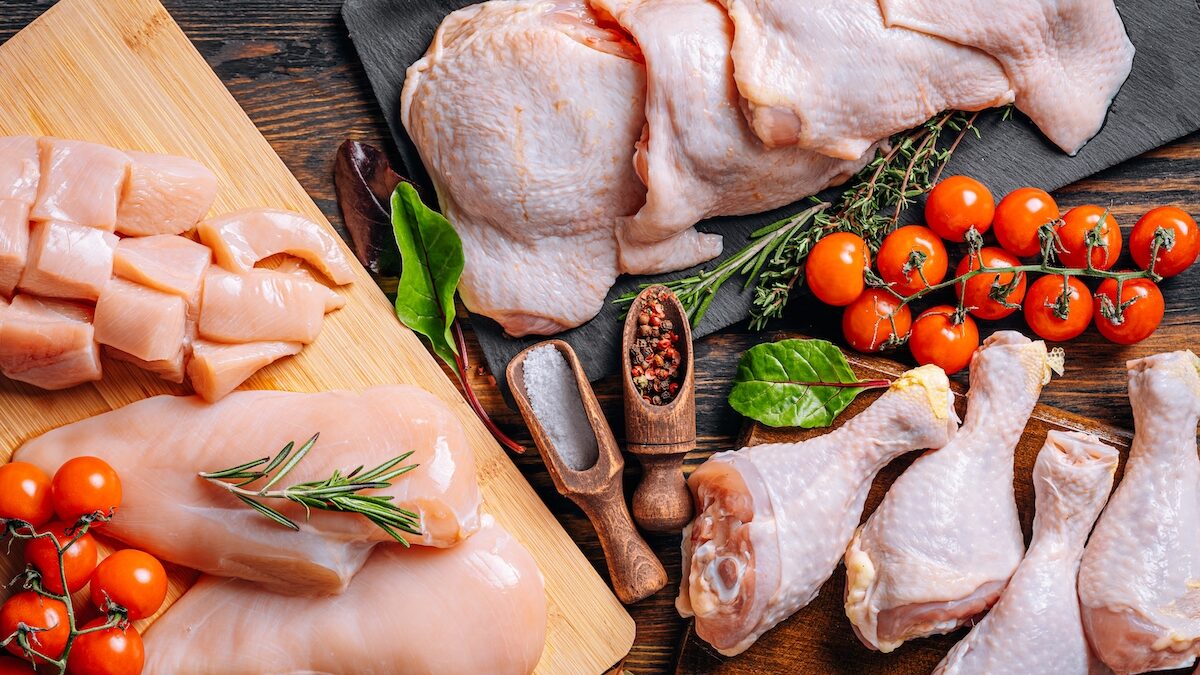
When it comes to choosing an animal protein source, poultry is among the most popular options. Chicken, turkey and duck occupy an important place in the diet of many households thanks to their nutritional richness and ease of preparation. In a video published on Instagram, Dr Jean-Michel Cohen recalls that poultry constitutes “an excellent source of protein“.
With a content of between 18 and 24 grams of protein per 100 grams, poultry provides high quality protein while containing very few carbohydrates. However, its composition varies depending on the species chosen and the portion consumed, particularly in terms of fat.
Chicken, turkey and duck: what are the nutritional differences?
Chicken often appeals to people looking for relatively lean meat. Breasts generally have a low fat content, while thighs and thighs contain more.
Turkey shares many characteristics with chicken. It also provides lean protein while offering a slightly firmer texture, appreciated in many recipes.
Duck is clearly distinguished by a greater presence of fat, particularly in the skin. This characteristic gives it a more pronounced flavor which differentiates it from other poultry.
Beyond protein, poultry provides several essential nutrients:
-
Vitamins B3, B6 and B12;
-
Phosphorus;
-
Zinc, involved in the functioning of the immune system;
-
Selenium.
Regarding vitamin B12, Dr. Cohen emphasizes that “vitamin B12 is very important since it prevents anemia“.
Why poultry is often favored over red meat
For many people, poultry represents an attractive alternative to red meat. Its lighter nutritional profile may be suitable for those looking to monitor their weight or improve certain metabolic parameters.
People facing excess weight, dyslipidemia or an increased cardiovascular risk can therefore turn to these white meats as part of a balanced diet.
According to Dr. Cohen, “nutritionally, it is a very good alternative to red meats“.
Poultry is also often better tolerated digestively, which explains its frequent presence in recommendations intended for people suffering from digestive disorders or metabolic syndrome.
How to choose the best poultry according to your needs
The choice depends above all on the desired objectives. People wishing to limit their fat intake generally favor chicken or turkey breast. Those looking for more flavor can turn to duck, whose rich flavor is based in part on its higher lipid content.
Breeding quality may also come into play. Poultry raised outdoors and fed a natural diet are attracting more and more consumers who pay attention to their diet.
However, certain medical situations require greater vigilance.