
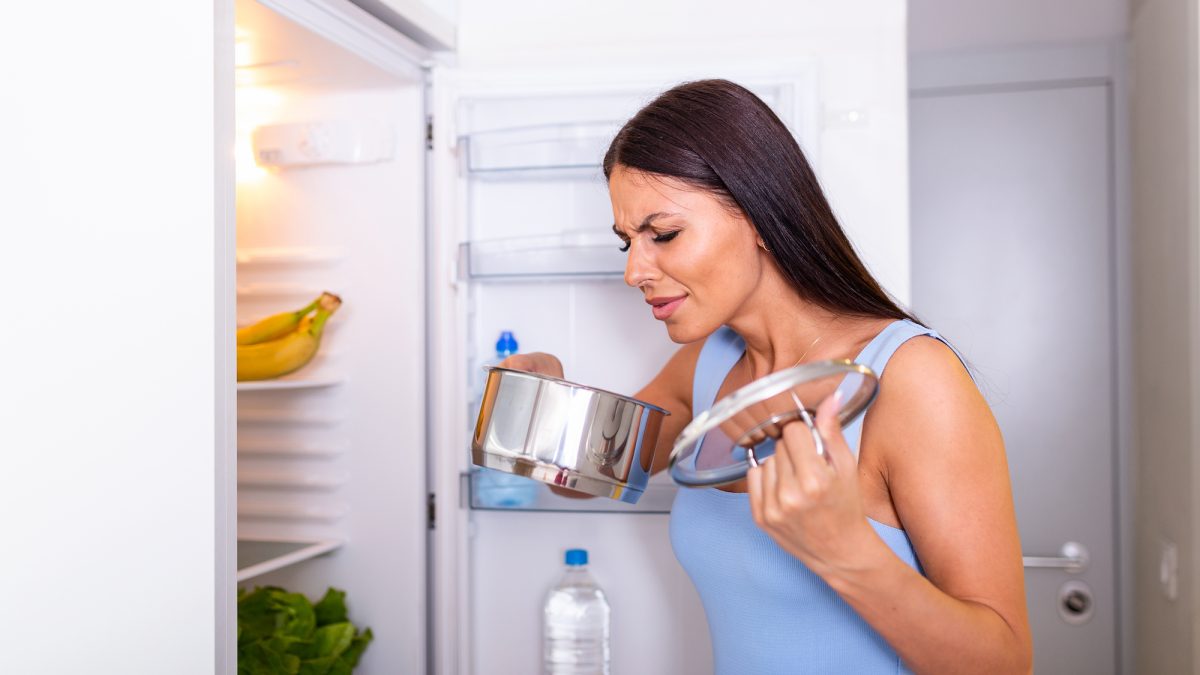
With the heat, we think about hydrating ourselves, closing the shutters… but very often, you forget to adjust your fridge. However, too high a temperature in the appliance can transform a simple yogurt into a germ bomb.
And it doesn’t just depend on the heatwave. Throughout the year, food safety starts inside the refrigerator. Bad temperature, bad storage, and it’s the bacteria that take advantage of the menu.
4 degrees, no more
According to theHandlesthe National Health Security Agency, the ideal temperature of a fridge is between
0 and +4°C in its coldest zone. This threshold allows slow the growth of germs like
Listeria monocytogenes Or
Salmonella enterica.
“A temperature below +4°C stops the growth of the majority of pathogenic germs.specifies the agency.
But be careful: displaying 4°C on the screen does not guarantee that the entire device is very cold. It’s necessary check with a thermometerespecially if the device is old or does not have a green control sticker.
And don’t forget that an overloaded fridge, or a door open too long, raises the indoor temperature without you even realizing it.
How to store properly to keep your food fresh
Temperature isn’t everything. It is still necessary
organize interior space logically. Here are the good practices validated by ANSES:
A few simple steps to avoid unpleasant surprises
A poorly adjusted refrigerator is sometimes symptoms of poisoning the next day. And no need to break the cold chain in a truck to get there.
- A good reflex: place a thermometer in the upper part from the fridge, often the least cold. This makes it possible to identify risk areas;
- Also think about clean the interior at least once a monthwith soapy water or white vinegar, to avoid mold and invisible residue;
- Finally, be vigilant in the event of a power outage or breakdown: the cold escapes quicklyand food can become unfit for consumption without even changing its appearance or smell.