
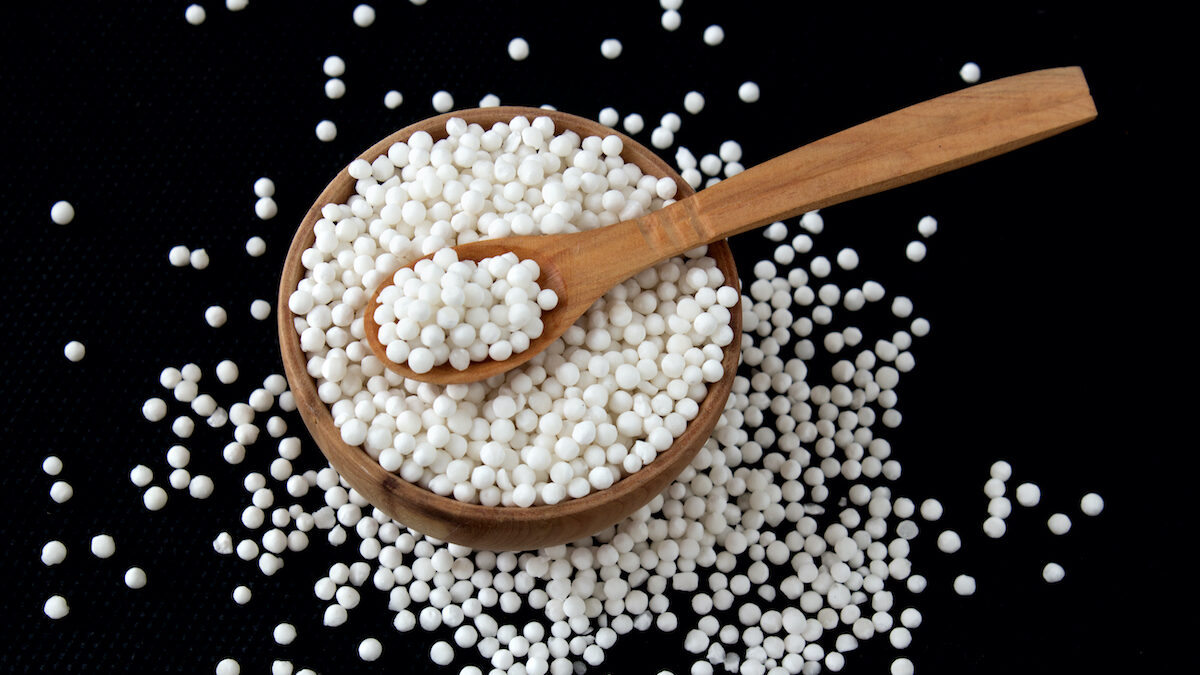
Translucent pearls in a bubble tea, melting texture in a dessert or the base of a porridge: sago is increasingly attracting fans of world cuisine and is finding a place on our Western tables. However, behind these little balls hides a still little-known food. Is it beneficial for health or just another source of starch?
Sago, a naturally gluten-free starch
Sago is obtained from the pith of the palm tree
Metroxylon sagucultivated notably in Indonesia, Malaysia and Papua New Guinea. In these regions, it constitutes a staple food, just like rice or cassava.
His main interest? It is made up of more than 80% carbohydrates, mainly in the form of starch. Result: it quickly provides energy to the body. This is also what explains why it is widely consumed in populations where energy needs are high.
Another significant advantage: sago is naturally gluten-free. It can therefore be consumed by people with celiac disease or gluten intolerance provided that it has not been contaminated during its manufacture.
Some research also suggests interest among athletes. A small study among cyclists showed that sago porridge could improve performance during subsequent physical exercise. The researchers also mention the presence of a little resistant starch, likely to feed the good bacteria of the intestinal microbiota. Results which, however, remain to be confirmed by larger studies.
A food rich in energy… but poor in nutrients
Although sago quickly provides energy, its nutritional profile has several weaknesses.
Per 100 grams, it provides mostly carbohydrates, but contains very little protein, fiber or good fats. It is also low in vitamins and minerals, except for a small amount of zinc.
As the specialists at Allo Docteurs point out, sago contains “fats, proteins, vitamins and even nutrients in almost zero quantity”.
In other words, it is a source of calories, but not a particularly nutritionally nourishing food. Consumed alone, it is not very satiating and only covers a small part of the body’s needs for micronutrients.
The experts are therefore clear: sago is not a “superfood”. It does not replace more complete foods such as whole grains, legumes or vegetables.
How to consume it intelligently?
Sago can definitely find its place in a balanced diet, as long as it is not made the main element of the meal.
The ideal is to use it as one source of carbohydrates among others, combining it with foods rich in protein, fiber and vitamins.
For example :
- In a dessert, with milk or natural yogurt and fresh fruit;
- In a savory dish, accompanied by vegetables and legumes or a protein source such as fish, eggs or tofu.
On the other hand, people who need to control their carbohydrate intake — particularly in cases of diabetes, prediabetes or as part of a weight loss program — should limit their portions and seek advice from a health professional.
Sago, for all tastes?
Sago is neither a miracle food nor a food to avoid. Its main interest lies in its energy intake and its absence of gluten. On the other hand, its very low content in fiber, proteins, vitamins and minerals prevents it from being considered a complete food.
Consumed occasionally and integrated into a balanced meal, it can perfectly vary the pleasures. But to fully benefit from its benefits, it is better to accompany it with nutrient-rich foods rather than consuming it alone.