
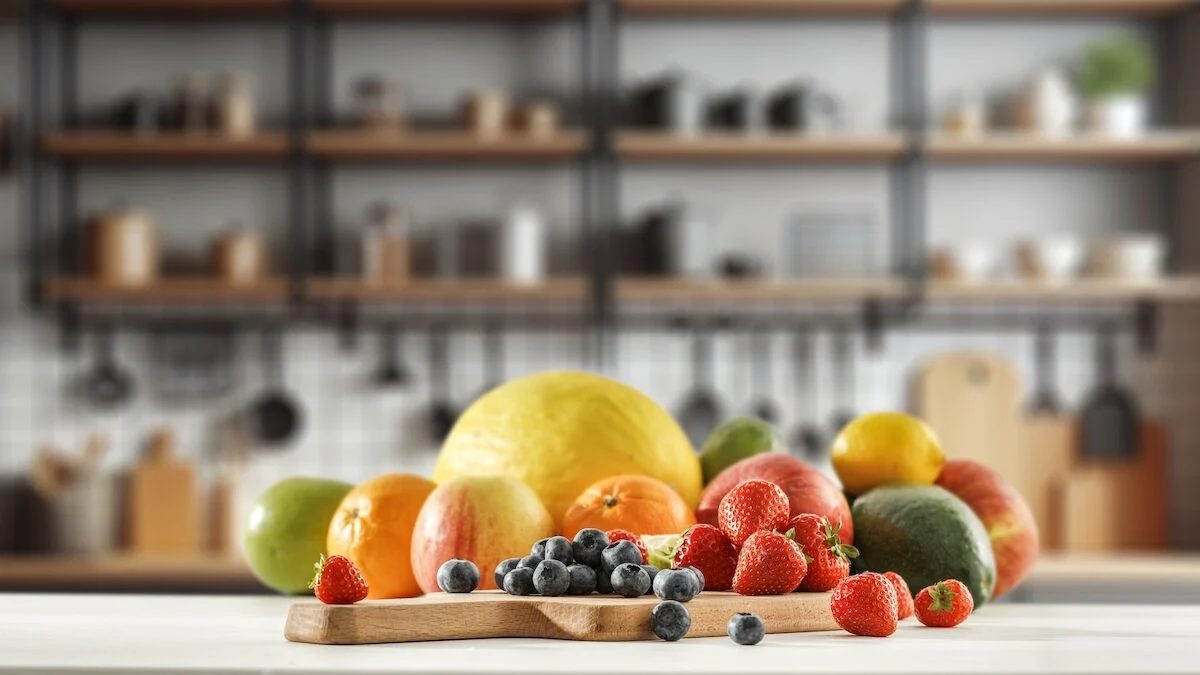
Summer fruits are still on our shelves, recently accompanied by grapes or pears. But you have undoubtedly experienced it: the heat of this end of summer tends to accelerate their maturation. Julie Boët, nutritionist, gives us her advice on how to better preserve our fruits after returning from shopping, while preserving their flavors and benefits.
Heat, the enemy of fruit
In summer, high temperatures act as a real “aging accelerator”. “Scientifically, heat stimulates the activity of enzymes naturally present in the flesh and skin of fruits” confirms the nutritionist. Result: a fruit very quickly goes from “perfectly ripe” to “too ripe”, without us having the opportunity to bite into it. A waste that we know in many homes.
Another phenomenon to watch out for: certain fruits, such as bananas, produce ethylene. Under the effect of heat, this production intensifies, which accelerates the ripening not only of the fruit itself, but also of its neighbors. “This is why a banana ripens a peach in the blink of an eye!” reveals the expert.
Very good, but how can we avoid these traps to benefit from its fruits?
Sort as soon as you return from shopping
According to the expert, conservation begins immediately after purchase. “It is essential to tlaugh at your fruit : a damaged or overripe fruit can quickly ‘contaminate’ others. The ideal is to consume it as a priority or to isolate it.
In August and September, plums, grapes, figs, pears, peaches and even melons fill our baskets. “Let them ripen slowly at room temperature, then place them in a cool place once they are ripe. You will gain a few extra days to savor them.”
In the cold or in the fruit basket? It depends
For others, the question of the refrigerator often arises. But know this, this is not the answer for all varieties. ”
“Contrary to what we think, not all fruits like the cold” replies our expert.
- Store at room temperature : peaches, nectarines, apricots, bananas, avocados, tomatoes. “The cold breaks their texture and alters their taste. Place them in a basket, in the shade and away from heat sources. Once fully ripe, you can put them in the refrigerator to prolong their life”;
- Store in the refrigerator : red fruits, grapes, pears or apples already ripe. They appreciate the freshness of the vegetable drawer. “Clean them, dry them thoroughly and store them in a ventilated box, preferably glass, with some absorbent paper to avoid stagnant humidity.
A little extra: for red fruits, a quick bath in vinegar water before storage helps slow the appearance of mold. “Be careful, however, to dry them well, because water is their worst enemy once stored. underlines the expert.
Preserve vitamins and flavors
Why so many precautions? Because vitamins, especially vitamin C, are very sensitive to air, light and humidity. Gentle and appropriate storage allows the nutritional qualities of fruits to be best preserved.
The nutritionist is quick to point out this too: “A large portion of vitamins are found in the skin. When possible, eat your fruit unpeeled (after washing it thoroughly).”
Anti-waste reflex: freeze, dehydrate, transform
Finally, if you have a large quantity of fruit, think about long-term preservation methods to enjoy them longer, or even in other seasons.
- Freezingideal for red fruits or pieces of peach, to reuse in smoothies or desserts;
- Dehydrationperfect for creating healthy, easy-to-go snacks;
- Compotes and jams without added sugarwhich extend the pleasure of summer well after the start of the school year.
In summary, storing your summer fruits properly means finding the right balance between heat, freshness and storage precautions. A special treatment that will allow you to fully enjoy their flavors… and their vitamins.