
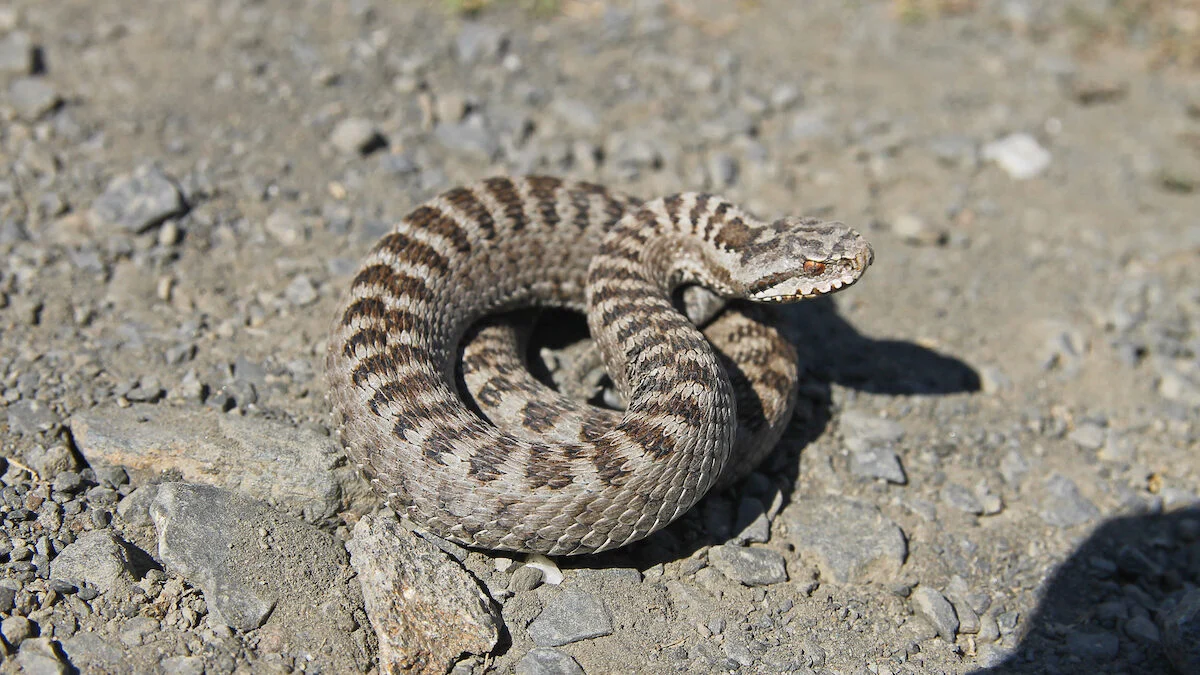
Manon Aubry was hospitalized after being bitten by a viper. The MEP from La France insoumise explained that she was treated in the emergency room and then in intensive care due to complications linked to the envenomation. A situation which reminds us of the good reflexes to adopt when faced with this type of bite.
Manon Aubry hospitalized after a viper bite
On Instagram, Manon Aubry appeared on a hospital bed with the book Mr. Bad Luck in the hands. She explained that she had suffered complications linked to the envenomation and had been treated in the emergency room before joining an intensive care unit.
“A viper saw fit to come and bite me and send me to the hospital with some complications linked to envenomation“, wrote the MEP.
His leg must now remain immobilized. This event led her to cancel her participation in “AMFIS Jeunes”, the LFI summer event intended for under-26s. Manon Aubry also thanked the caregivers who took care of her and praised the work of the public hospital.
A viper bite remains uncommon in France. Around 300 bites are recorded each year, less than half of which result from envenomation.
What are the symptoms to watch for if you are bitten?
A bite does not always mean that a significant amount of venom has been injected. However, certain signs are essential to observe to avoid envenomation:
- Around the bite: with pain, swelling and redness;
- General symptoms: including nausea, vomiting, abdominal pain, dizziness or feeling unwell;
- In the most serious situations: breathing difficulties or heart rhythm disturbances may occur.
“The symptoms must be monitored carefully: significant swelling, severe pain, nausea, dizziness or discomfort should alert you! Emergency services must be informed immediately.“, recalls Dr. Gérald Kierzek.
Reflexes to adopt if this happens to you
The first reflex seems harmless, and yet: “Agitation and stress can contribute to accelerating the spread of venom in the body, so it is essential not to panic, to immobilize the bitten area (usually a limb) and if possible adopt a semi-recumbent position to reduce blood circulation.“, explains Dr. Gérald Kierzek.
You must then immediately call emergency services on 15, 18 or 112, specifying that it is a viper bite. The victim should remain at rest and the bitten area should be immobilized while awaiting medical help. If the bite concerns a limb, it is also recommended to remove rings, bracelets or shoes before the swelling becomes too significant.
“Rings, bracelets or shoes are removed (depending on the location of the bite) in anticipation of edema“, specifies the emergency doctor.
What you absolutely should not do
Some myths around bites persist. However, certain very common actions should be avoided:
- Do not suck the wound;
- Do not use Aspivenin;
- Do not apply a tourniquet or pressure bandage;
- Take aspirin or anti-inflammatories, or drink alcohol.
In the event of envenomation, antivenom constitutes the effective treatment administered as part of medical care.
Anticipate: the key to avoiding the worst
Summer, the time when vipers are most active, calls for caution. Dr. Kierzek recommends:
- Wear high-top shoes and long pants;
- Avoid tall grass and stones that you turn over with your bare hands;
- Never approach a snake, even if it is still;
- Always have a phone with you to call for help.