
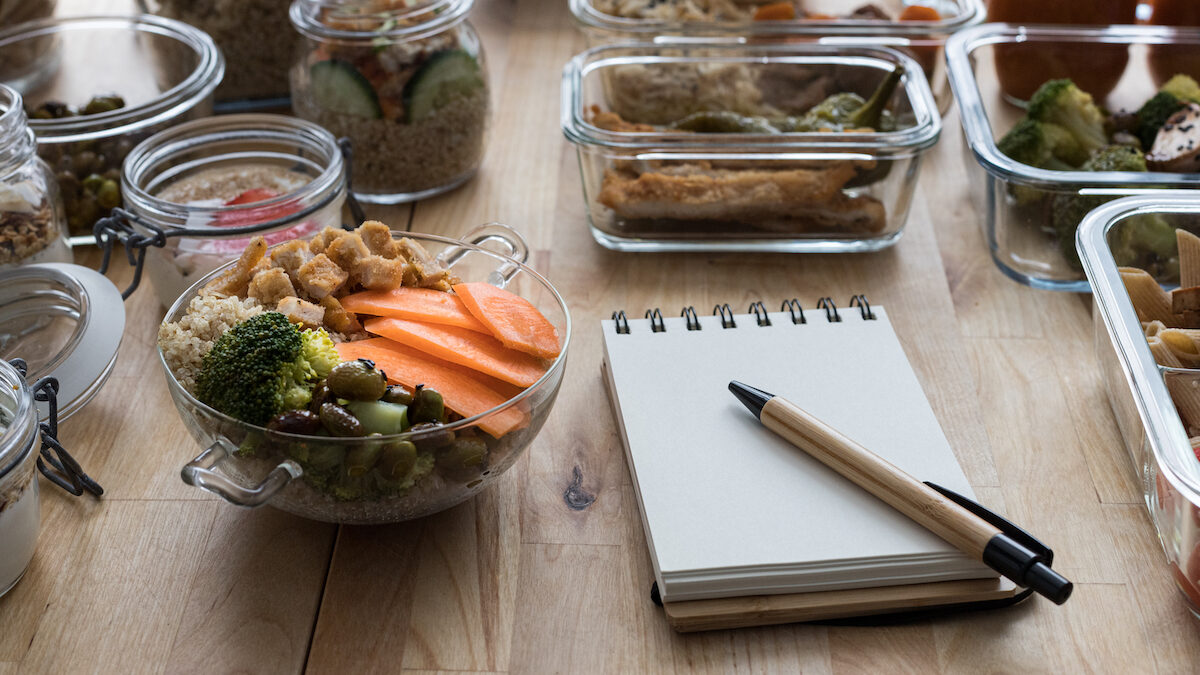
In a video published on Instagram by Ysaline Benakli, dietitian nutritionist, shows a postpartum batch cooking session for a friend close to childbirth. The objective: prepare portions to freeze to have meals ready when you return from maternity ward, without making a medical promise.
Why These Frozen Portions Can Really Help Postpartum
In the video, Ysaline Benakli explains that the idea is to allow her friend to freeze the preparations and take them out as soon as she returns from maternity leave. In particular, she shows quiches, a savory vegetable-chicken crumble, coconut-curry chicken accompanied by quinoa, lasagna, but also stuffed zucchini and moussaka.
The description of the Instagram post details five recipes, for around twenty servings, with a total of just over 30 meals thanks to the additional preparations.
This type of organization is consistent with a general postpartum recommendation: do not neglect a regular and sufficiently balanced diet.
To anticipate without overloading yourself, the easiest way is to think in portions rather than perfect menus. A quiche can be frozen in individual pieces. A family dish such as lasagna or crumble can be divided into boxes. Ysaline Benakli also shows a clever point: grouping together oven cooking and reusing certain bases, for example a bolognese or a béchamel, for several dishes. This is often what makes the session more effective.
This preparation can be integrated into a broader organization of the return home, with other concrete help to properly organize your postpartum before the baby arrives.
Rules to follow to ensure batch cooking remains safe
The sentence “everything freezes” should be understood with caution. Yes, many home-cooked meals can be frozen, but safety depends mostly on cooling, packaging and thawing. After giving birth, no one wants to add an avoidable digestive problem to fatigue.
For homemade dishes intended for the freezer, the right reflexes are simple:
- Do not let the dishes cool for more than 2 hours at room temperature before putting them in the refrigerator or freezer;
- Provide thin portions, which cool and freeze more quickly;
- Use suitable boxes or bags, tightly closed, with a label indicating the contents and the date;
- Avoid freezing a dish that has already spent several days in the refrigerator;
- Maintain the freezer at -18°C;
- To consume a portion, defrost it in the refrigerator or reheat it directly, but avoid thawing at room temperature and do not refreeze thawed food.
Freezing is not a miracle solution, however.
Another important point: a frozen meal is not automatically a balanced meal.
The specialist explains that the accompaniment is designed for certain dishes, for example quinoa.for starchy foods” with coconut curry chicken. It is also suggested to eat lasagna with a portion of vegetables, like a green salad. This is a good guideline: combine, when possible, proteins, vegetables and starchy foods, then vary the recipes over the week.
Quiches, lasagna or sauce dishes are practical because they portion well. To avoid monotony, you can alternate different bases: a recipe with eggs, one with chicken, one with meat, one with legumes if they are already included in your habits.
On the other hand, there is no need to aim for perfect organization. The real benefit is having a few meals ready on days when cooking seems impossible.
To go further on preparing meals in advance, the same principles of cold and shelf life apply: here are the storage rules to follow when batch cooking.