
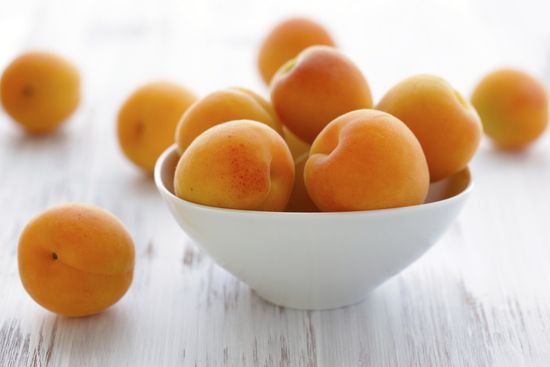
Fruits that take care of the skin and transit
Apricot concentrates a large part of its vitamin A in its skin, which makes it an interesting fruit for the skin. “Vitamin A promotes hydration of the epidermis. In summer, it also protects the skin from the sun and activates melanin for a nice tanned complexion.“, recalls Audrey Aveaux, dietitian-nutritionist, to Santé Magazine. To make the most of this contribution, you simply need to wash the fruit well and preserve its skin.
Apricot also provides soft fibers, including pectins, which can help stimulate transit without rushing digestion too much. “Its fibers regulate intestinal transit, which avoids constipation problems. Its tangy flavor also stimulates digestive secretions“, specifies the expert. People with sensitive intestines have every interest in gradually increasing their consumption and drinking enough water.
Why fresh and dried apricots differ
Fresh apricot is one of the fruits that provide the most minerals, with pride of place for potassium. It also contains copper, iron, calcium, magnesium and zinc. During periods of high heat, when perspiration increases, these minerals contribute to the intake that the body needs. Dried apricot even has 1.09 g of potassium per 100 g, which can make it an interesting snack for athletes exposed to fatigue.
The difference between the two versions appears mainly in terms of calories. According to Ciqual data, 100 g of dried apricots represents approximately 271 kcal, compared to only 46 kcal for the same quantity of fresh apricots. Dried fruits can therefore find their place in a hiking bag or before training, as long as you limit yourself to a small handful. For a daily snack or when you want to limit caloric intake, fresh apricot remains significantly lighter.
Allergies, sulphites and pits: precautions to know with apricot
Apricot is not necessarily well tolerated by everyone. In people allergic to birch pollen, a cross allergy may lead to itchy mouth or throat after eating the fruit.
Dried apricots may contain sulphites (E220 to E228). However, in sensitive people, these additives can cause headaches, a runny nose or wheezing.
The nuclei also require special vigilance. They contain amygdalin, a substance that can release cyanide during digestion when consumed in large quantities.
To enjoy apricots, it is better to only eat their flesh. At the market, also choose fragrant and supple fruits: once picked, apricots no longer ripen, and it is better to eat them quickly or keep them in a cool place for a few days.