
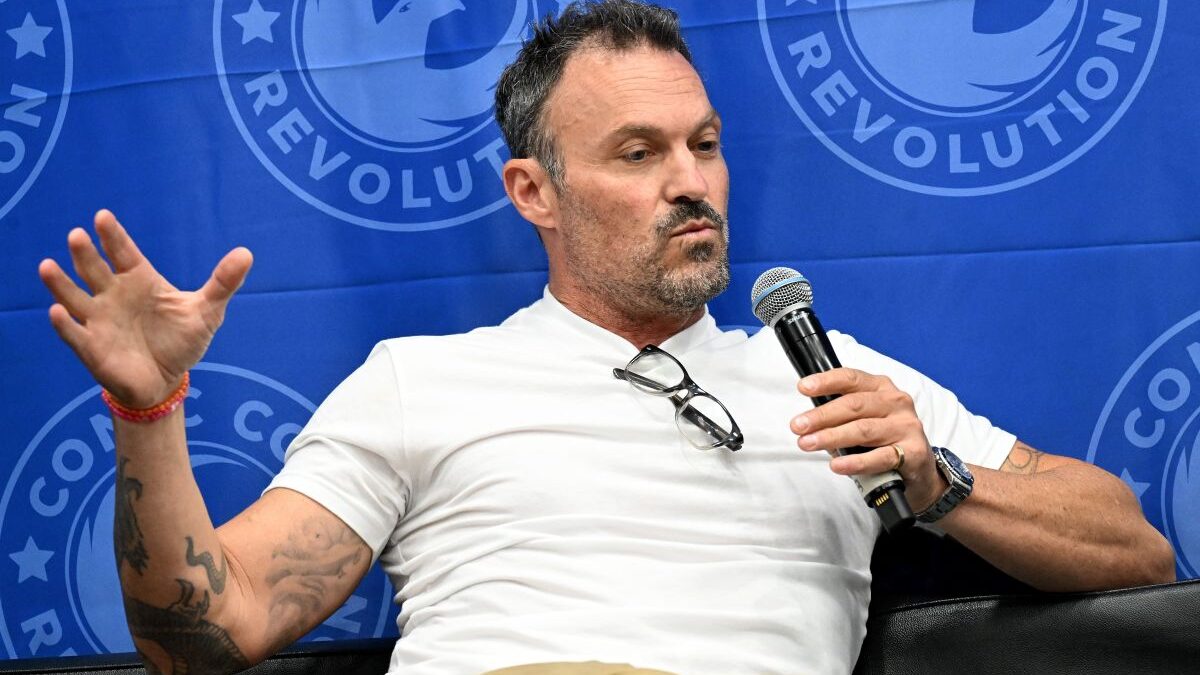
After the age of fifty, the question of male libido regularly resurfaces. This time, it is the actor Brian Austin Green who mentions it publicly in a recent testimony.
Guest on the podcast “I Do, Pt. 2”the ex-comedian of “Beverly Hills” declared bluntly: “Yes, absolutely, of course. It’s chemical. It’s testosterone, and it’s what men naturally start to lose as they age. You can take supplements (…). But for me, honestly, yes, absolutely – libido goes down. There’s no way to avoid this.”
An analysis shared by his co-host Bob Guiney, recalling that family and professional responsibilities often take precedence over the sexual concerns of young people. But does biology really impose this inevitability?
A biological reality much more subtle than menopause
Male aging should not be confused with the clear cessation of reproductive functions observed in women. Dr Denys Coester, anesthetist-resuscitator and author of a book on longevity, puts things into perspective for True Medical.
“The phenomenon is not as clear-cut as menopause. In women, the process is very clear: between the ages of 40 and 50, we observe a cessation of ovulation and periods. In men, things are more subtle. It is important to distinguish andropause from a simple reduction in testosterone production. Moreover, a man remains capable of having erections, intercourse and sperm production until a very advanced age.”
It is also worth considering how the hormone circulates. Testosterone is mainly bound to a protein (SHBG), but only its free form remains active.
Lifestyle and stress: the first brakes on desire
Before blaming age or a hormonal collapse, overall lifestyle plays a determining role. Visceral fat, excess weight, a sedentary lifestyle or exposure to endocrine disruptors directly alter circulating levels.
Through a phenomenon called aromatization, abdominal fat transforms testosterone into female hormones.
Additionally, the pillars of general health – sleep, diet, physical activity and stress management – interact in a loop.
“If your sleep is impaired, fatigue sets in. This encourages us to consume more sugar, which deteriorates the intestinal microbiota and generates stress. This stress in turn disrupts sleep, creating a real vicious circle.“, explains Dr Denys Coester.
Drastic restrictions are also not recommended. “Cholesterol constitutes the basic molecule essential for the synthesis of sex hormones. Removing fat intake is therefore a mistake with serious consequences.” adds the doctor.
Hormonal treatment (TRT) and supplements: what you need to know
If products sold as “testosterone boosters” (tribulus, fenugreek, ashwagandha) lack solid scientific evidence, the use of testosterone replacement therapy (TRT) is a recognized medical option under certain strict conditions. A complete blood test measuring total, free testosterone and SHBG is essential.
“As soon as the reduction in libido is accompanied by a drop in energy and an alteration in the quality of erections, the use of TRT can be considered.“, says Dr Denys Coester.
However, this treatment requires a long-term commitment: the external supply stops natural production by the brain via the hypothalamic-pituitary axis. In young men, TRT can also severely impair fertility and sperm production.
Dialogue between the couple and medical care
On a medical level, the consultation makes it possible to rule out any underlying cause. If the general practitioner carries out all the blood tests, the initial prescription for TRT is regulated: it must be carried out by an endocrinologist, a urologist or a specialist in reproductive medicine and biology/andrology. Monitoring which ensures overall control of men’s health, particularly at the prostate level.
Finally, don’t forget: the decline in desire also finds its source in the psychological and family environment (fatigue, stress related to children or career). Communication within the couple therefore remains essential to remove ambiguities and avoid misunderstandings.