
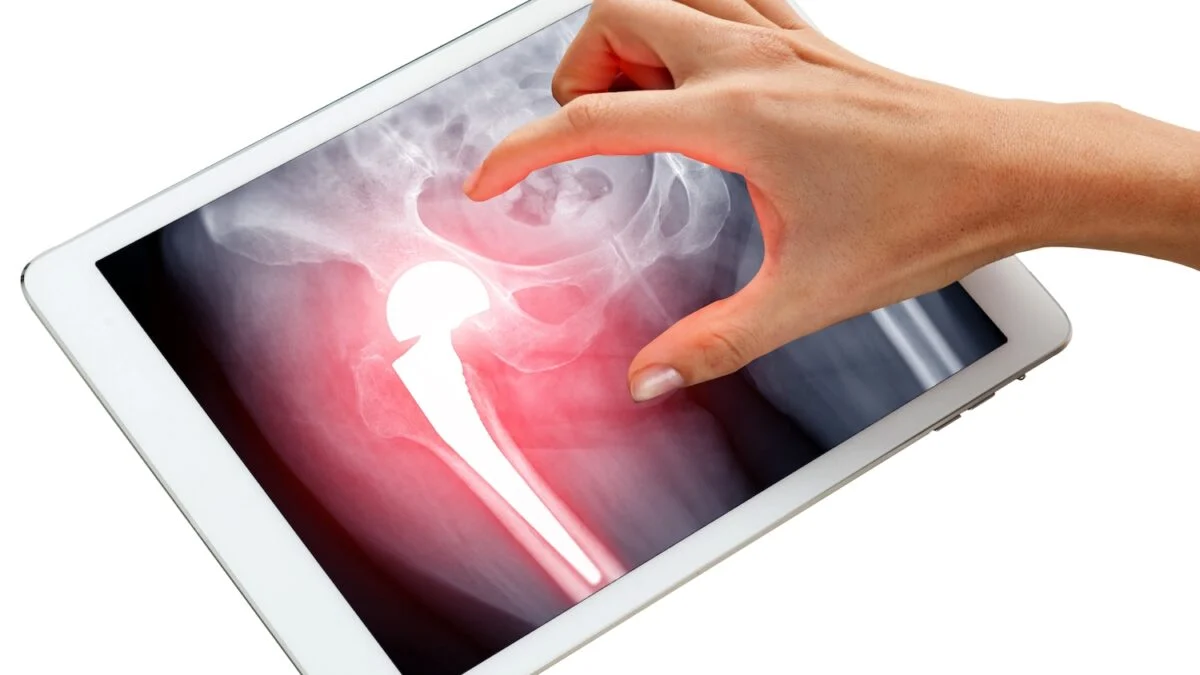
After 50 years, can we better anticipate a fracture of the femoral neck? The answer is cautious: artificial intelligence could help identify people at riskbut it does not replace the doctor. In “It’s going a lot better” on RTL, Dr Jimmy Mohamed, doctor and presenter of the show, also recalls the levers of prevention.
Why is this fracture so worrying after 50 years?
Fracture of the femoral neck in the elderly is not only a painful fracture to operate on. It can mark a break in the ability to walk, go out, go shopping or live at home.
Dr Jimmy Mohamed emphasizes this seriousness in his column: he mentions 30% of patients lose autonomy
after such a fracture and 20 to 25% deaths in the following year. French data confirms a worrying order of magnitude: Health Insurance indicates that 30 to 50% of the people concerned see their autonomy reduced, and the DREES found, among those over 54 hospitalized in 2008-2009, one death during the year in one in five women and one in three men. However, these figures depend on age, initial state of health and fragility before the fall.
Why is the risk increasing? Dr. Jimmy Mohamed reiterates a simple point: bone is living tissuewhich is constantly destroyed and rebuilt. With age, the scale gradually shifts towards bone loss. Menopause is an important factor in women, because hormonal decline promotes this loss and can lead to osteoporosis.
Other situations can weaken the bone, with a variable level of risk depending on doses, duration, age and general condition:
- Significant or prolonged systemic corticosteroid therapy;
- Certain treatments reducing sex hormones, particularly in breast or prostate cancer;
- Low weight or low BMI, to be assessed medically without feeling guilty.
These factors should never lead to modifying a treatment alone. They are mainly used to identify people who would benefit from discussing their bone risk with their doctor.
AI, osteoporosis and falls: concrete avenues for prevention
The Swedish study mentioned in the show, published in 2026 in
PLOS Medicinecovered 3,542,647 adults aged 50 and over living in Sweden. The researchers used national health registers and socio-economic data: history, hospitalizations, treatments, age, sex, social conditions. The best machine learning model ultimately used 2,500 predictors.
According to the report, the AI detected “seven times more” fractures than traditional models. The fact check imposes a nuance: this is a higher sensitivity at two years than the Swedish approach to identification after recent fracture, with also more people wrongly flagged at risk. The study does not make it a routinely available tool in France. It shows that statistical associations in large databases can help estimate risk; it does not prove causality and does not decide, alone, on a treatment.
Prevention also involves better identification of osteoporosis, which can progress without pain or obvious signs to a fracture. In some people, the diagnosis is based on bone densitometry, a reference test that measures bone mineral density. In particular, he advises postmenopausal women over 50 to talk to their doctor about it, without presenting this examination as systematic. Signs of osteoporosis to be detected before a fracture can also guide the medical discussion.
On a daily basis, the levers cited in the column remain concrete, to be adapted to each person’s abilities:
- Practice appropriate physical activitybecause the bone responds to mechanical stress: walking, muscle strengthening, and sometimes more dynamic exercises if health permits;
- Ensure sufficient calcium intakefor example via the dairy products mentioned in the show, and in vitamin D, without systematic supplementation without medical advice;
- Reduce the risk of fallingby working on balance, muscular strength and the living environment, especially in fragile elderly people.
For an elderly person, osteoporotic, already fractured or at risk of falling, running, jumping or heavy lifting cannot be improvised. The objective is to choose a safe activity, possibly supervised, while acting on what causes falls. Practical advice exists to prevent falls among seniors and thus limit the risk of fracture.