
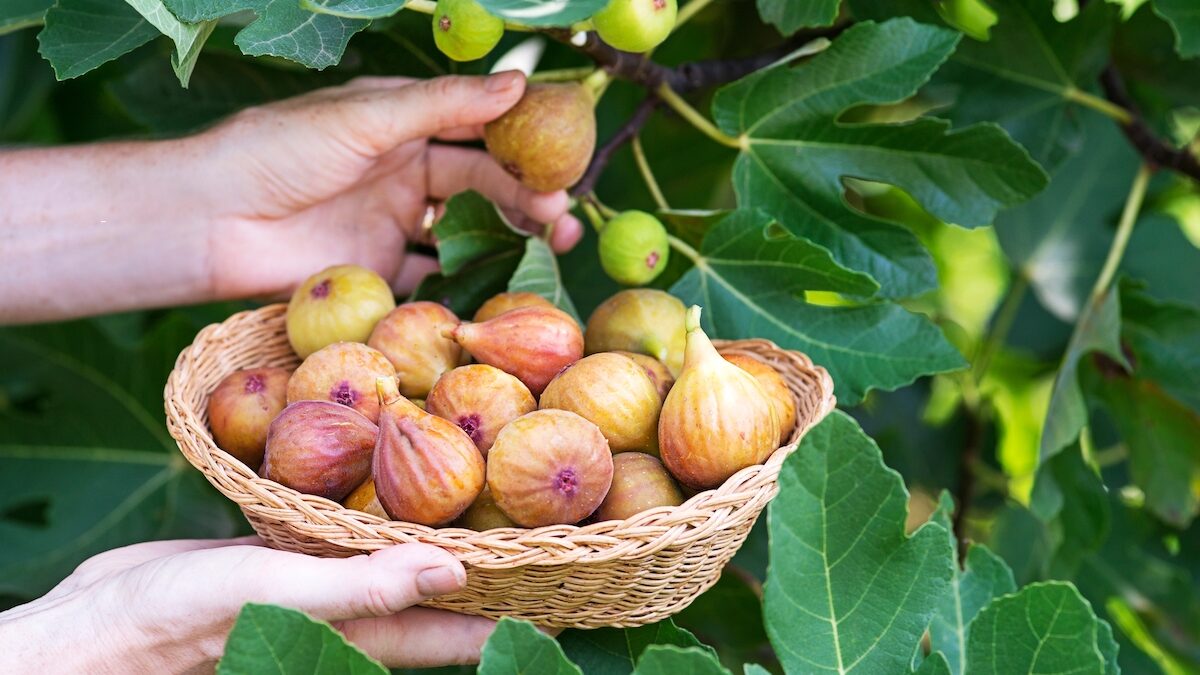
When we enjoy ripe figs, we often keep only the sweet flesh. The rest of the tree ends up in compost, while a generous part, right next to the fruits, flavors dishes and is drunk as a herbal tea in many traditions. Cooking sites and several herbal medicine magazines are now taking a close interest in it.
This “gold mine” is quite simply the fig leavesthose of the Ficus carica which surround the figs. Marmiton, recalls that they are used as an infusion for digestion, diabetes or painful periods. At the same time, some human studies and dermatological publications suggest using them methodically… and with caution.
Fig leaves: easy cooking ideas to try
Fresh, fig leaves wash carefully, remove the stem then slide them whole into the cooking water for pasta, rice or legumes. They cannot be eaten, but they leave a green, slightly coconut-vanilla scent described by several cooks, ideal with white fish or poultry.
Dried, they are mainly used as an infusion.
Herbal medicine sites advise pouring boiling water over one or two dry leaves, then letting it infuse for a few minutes before filtering.
This sweet fig leaf herbal tea, more of a relaxing drink than a remedy, can also flavor rice pudding, dessert cream or even a simple yogurt.
Benefits of fig leaves: what we really know
Passeport Santé describes a versatile remedy: improved circulation, relief of painful periods, help with blood sugar and triglycerides, easier digestion, soothed coughs and sore throats, reduced constipation and asthma. Some families also apply the leaves to vitiligo, taking advantage of their photosensitizing power. However, these indications remain mainly based on experience, rarely from robust clinical trials.
A clinical trial published on the Brieflands platform followed adults with type 2 diabetes, drinking a fig leaf decoction for 21 days, then a placebo after a break. Mean postprandial blood glucose increased from approximately 230 mg/dL to 193 mg/dL with the decoction, while it remained stable with the placebo. A review published in Diabetes Care also mentions a very small trial in 10 people with type 1 diabetes, again with interesting signals but evidence considered insufficient.
Fig leaves: risks, sun and people at risk
Be vigilant, however. The leaves of the fig tree contain an irritating white latex and furocoumarins, including psoralens. A publication posted online on PubMed Central describes five cases of phytophotodermatitis after contact with a leaf decoction and then exposure to the sun, under UVA rays between 320 and 400 nm. Intense redness and blisters are possible, sometimes with persistent brown spots. The herbal medicine pages therefore recommend gloves and long sleeves for picking, then avoiding exposing soiled skin to the sun. For people with diabetes, Top Santé finally reminds that you never change your treatment or your insulin doses without medical advice, even if you regularly drink fig leaf herbal tea.