
The West Nile virus, long confined to the south of France, has just reached a milestone in Pays de la Loire. The Pays de la Loire Regional Health Agency (ARS) has confirmed that three indigenous human cases were detected in
Loire-Atlantiquei.e. contracted via mosquitoes present locally. “The detection of these first human cases is a signal of active local circulation of the virus“, indicated the ARS Pays de la Loire.
These local infections arrive in an already tense national context. In 2025, 62 indigenous human cases
West Nile virus infections were recorded in mainland France, in six regions including Provence Alpes Côte d’Azur and Occitanie, while Pays de la Loire was not affected.
The West Nile virus is circulating in Loire-Atlantique
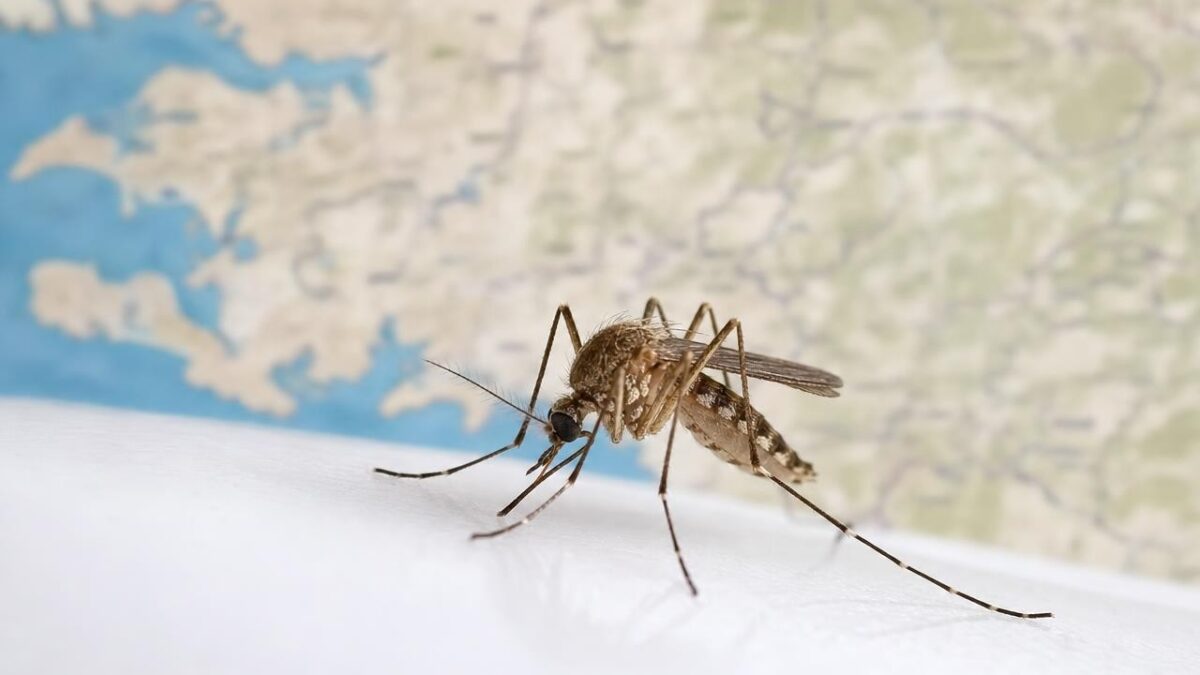
The West Nile virus first circulates in birds. The mosquito Culexcalled “ordinary mosquito”, becomes contaminated by biting these birds and then can transmit the virus to humans or horses. Humans and horses are epidemiological impasses: a sick person does not reinfect a mosquito and there is no transmission between humans. The ARS Pays de la Loire specifies that “equine cases have also been reported in the region and particularly in Loire-Atlantique; surveillance of the virus is therefore based on an integrated approach combining human health, animal health and environmental monitoring.“.
Today, three confirmed human cases were identified in Loire-Atlantique. The ARS Pays de la Loire has strengthened surveillance with Public Health France, the National Reference Center for Arboviruses and veterinary services. Doctors and hospitals must promptly report any suspected cases, with biological confirmation. Loire-Atlantique has also been integrated into the national West Nile risk monitoring system for blood donations, managed by the Directorate General of Health, the Biomedicine Agency and the French Blood Establishment.
West Nile virus: what are the symptoms?
According to the ARS Pays de la Loire, approximately 80% of infections by West Nile virus remain symptom-free. When signs exist, they suggest the flu: fever, headache, joint pain, sometimes marked fatigue.
“Most West Nile virus infections go unnoticed or resemble flu-like illness. But in rare cases, the virus can reach the nervous system and cause meningitis or encephalitis. What should alert you is not just fever: it is also intense headaches, stiff neck, confusion, impaired consciousness, convulsions or sudden weakness. A fever accompanied by a neurological symptom is a medical emergency, regardless of the presumed cause.” insists Dr Gérald Kierzek
Neurological forms, such as meningitis or encephalitis, occur in 1% of infectionswith risk of after-effects or death. The ARS indicates that a sudden fever with neurological or behavioral disorders should lead to consultation quickly.
Prevention against the Culex mosquito
Mosquito active in the evening and night, Culex
imposes covering clothing, mosquito nets and limitation of bites. “For the population, the essential measures remain the prevention of mosquito bites“, insists the ARS of Loire-Atlantique. To reduce the risk, it is important to adopt the following actions:
- Wear loose, covering clothing;
- Use a suitable skin repellent in the evening on exposed areas;
- Install mosquito nets or grills on windows;
- Sleep under a mosquito net, impregnated with insecticide if necessary;
- Limit points of stagnant water around your home, such as flower pot saucers or poorly covered tanks.
These simple actions, combined with increased vigilance by health authorities, remain today the best weapon to contain the West Nile virus in Île-de-France.