
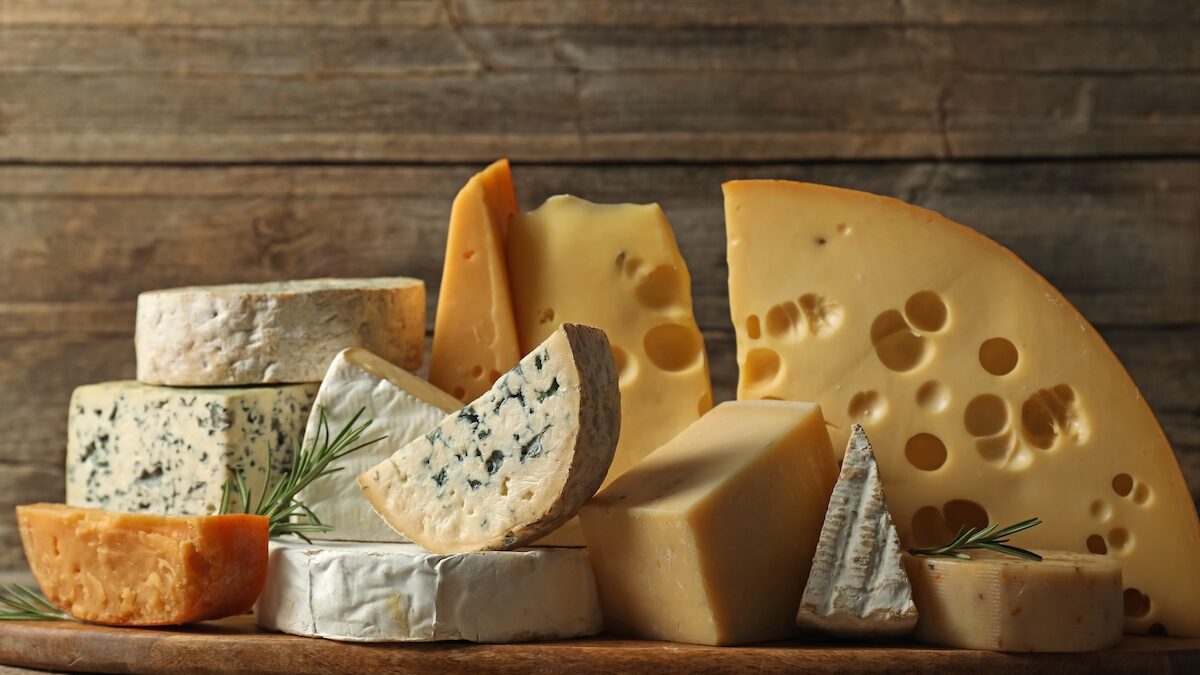
After the meal, it’s hard to resist a small slice of cheese. But not all are equal in terms of calories. Between cottage cheese, cancoillotte, ricotta, camembert or parmesan, the differences can be significant. The data from the Ciqual table of the National Agency for Food, Environmental and Occupational Health Safety (ANSES) fortunately allows us to see things more clearly.
Why are some cheeses higher in calories than others?
Not all cheeses provide the same amount of calories. The first difference is their water content.
According to data from the Anses Ciqual table, a fat-free white cheese provides around 50 kilocalories per 100 g. Conversely, some cooked pressed cheeses exceed 350 kilocalories for the same quantity.
The rule is quite simple: the fresher the cheese, the more water it contains and the less concentrated in calories it is. White cheeses, Ricotta or Faisselle are therefore around 70 to 150 kilocalories per 100 g, according to the references in the Ciqual table.
Conversely, maturing causes the cheese to gradually lose water. The nutrients are then more concentrated. Result: its caloric density increases. A Camembert thus provides around 270 kilocalories per 100 g, compared to nearly 292 for an Époisses.
Blue-veined cheeses, such as Roquefort or Bleu, also have high caloric values. They can also contain a lot of salt, a point to watch out for especially in cases of hypertension.
What are the lowest calorie cheeses?
To compare cheeses, the figure indicated for 100 g remains a good starting point. According to available data, 0% fat cottage cheese provides around 46 to 50 kilocalories per 100 g, compared to around 127 for Cancoillotte, 160 for Ricotta and 267 for Camembert.
But be careful not to be fooled by these numbers. A portion of cheese rarely represents 100 g. What also matters is the quantity actually consumed.
A small portion of a higher-calorie cheese can fit into a balanced diet. The idea is above all to vary the cheeses and adapt the quantities to your needs.
What are the most caloric cheeses?
Among the richest cheeses, we find in particular cooked pressed cheeses, such as Emmental, Comté or Parmesan. Some far exceed 350 kilocalories per 100 g.