
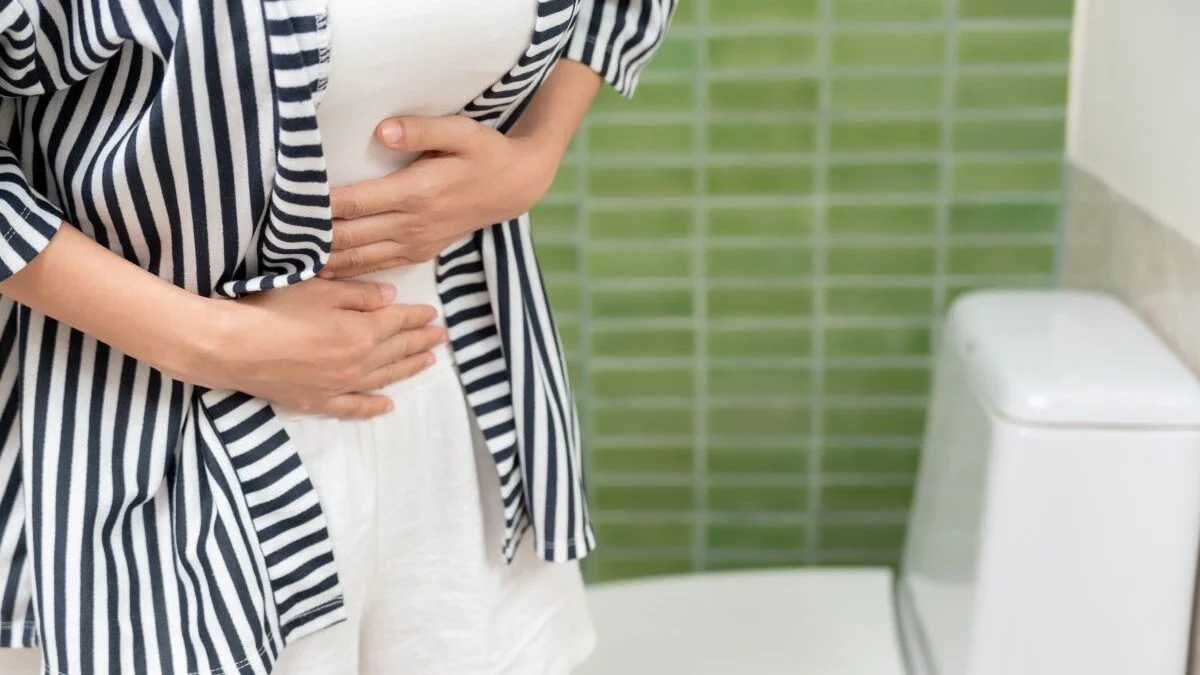
Going to the bathroom every morning with clockwork regularity is not a reality for everyone. If your mornings follow one another and look the same without using the toilet, you are not alone. Indeed, transit disorders affect a very significant part of the population, particularly with age.
We generally speak of constipation when we have fewer than three stools per week, or when they are hard, dry and difficult to pass. Fortunately, a few targeted nutritional adjustments can restore lasting digestive comfort.
Why chia seed is the ideal anti-constipation ally
To easily increase your daily intake without complicating your life, chia seed is a highly effective natural solution.
“Chia seed is a food that I recommend very regularly in consultation with my patients. They are quite easy to add to the diet, especially in breakfasts or snacks.“, explains Pauline Pied.
“A tablespoon, so about 15 g of chia seeds, provides 5 g of fiber.”
As well as helping to achieve the recommended average target of 25g of fiber per day (alongside vegetables, fruit, grains and oilseeds), this superfood has a complete nutritional profile: it is also rich in omega-3 and protein.
The golden rule: “activate” your chia seeds
Sprinkling secret chia seeds on a salad is not enough to benefit from their transit benefits. To release their softening power on the stools, they must be rehydrated.
“If you sprinkle them like that on your salads, it won’t do anything. You have to ‘activate them’, that is to say let them rest, let them swell”, specifies the expert. “For snacks, you can put them in yogurt, cottage cheese or milk and let them swell. One hour before consuming them is enough. By placing them in the fridge, you get a kind of pudding..
On contact with liquid, the seed forms a gel rich in soluble and insoluble fiber which increases the volume of stools and facilitates their passage.
The winning trio: fiber, hydration and physical activity
While chia seeds are a snack of choice, intestinal regularity relies on comprehensive care. Pauline Pied recommends a method structured into three pillars:
- Food: favor two portions of vegetables per day and favor cooked vegetables, which are more digestible. Add 3 fruits per day, such as kiwis, very rich in fiber;
- Water: increase water intake from 1.5 L to 2 L of water per day in fractions, throughout the day;
- The movement: Physical activity will stimulate intestinal peristalsis, which are the contraction movements of the intestines.
You understand: having a chia pudding as a snack, drinking enough water throughout the day and walking daily are the ideal roadmap to regain fluid transit. However, these health and dietary measures must be long-term. If your symptoms of constipation persist despite these changes in habits, consult your general practitioner: he or she may refer you to a gastroenterologist to carry out additional tests.