
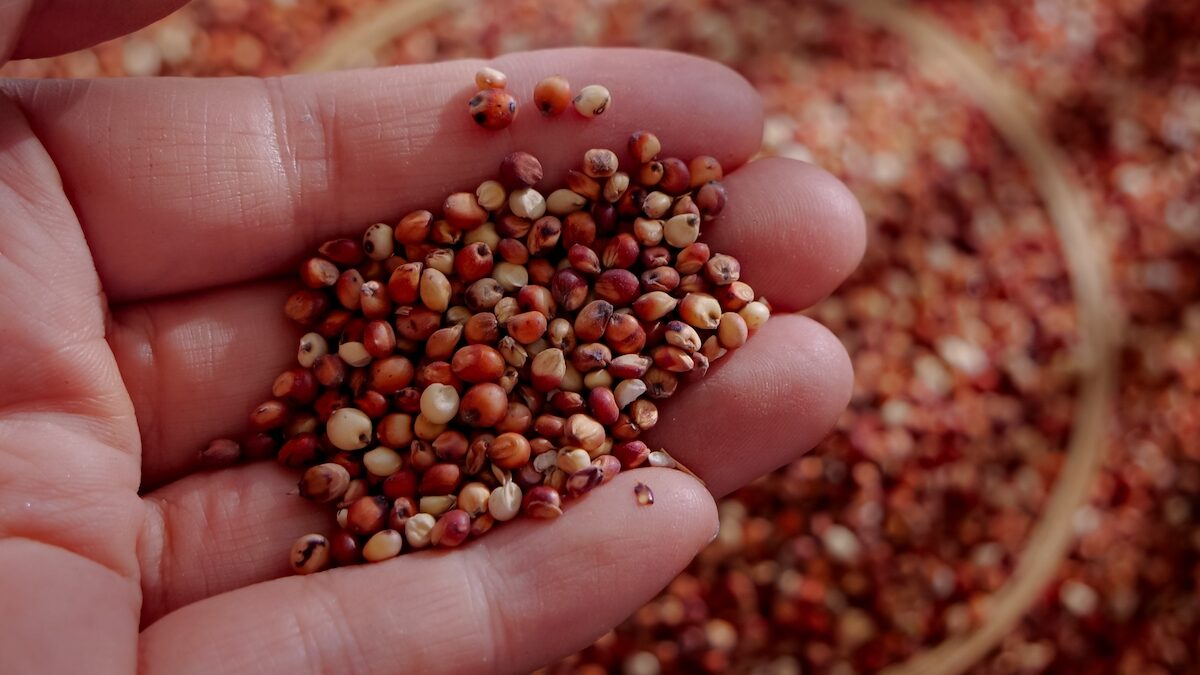
Between repeated droughts and the desire to eat less wheat, many are looking for a cereal capable of holding out the heat while helping digestion and blood sugar levels. Long intended for animals, a plant cultivated in Africa and Asia resists where corn or rice fails, with an interesting nutritional profile for the intestine and immunity.
This is the sorghum (*Sorghum bicolor*), still discreet on our shelves. According to the Journal of Food Sciencenearly 75% of American sorghum goes to animal feed and about 20% to biofuels, leaving less than 5% for humans. However, this cereal rich in fiber, resistant starch and phenolic compounds is already associated with a
intestinal microbiota more diverse and with more regular blood sugar levels.
Why sorghum, an ancient cereal, is attractive in the face of drought
The United Sorghum Checkoff Program indicates that sorghum requires on average 36 percent less water than other field crops, and that 91 percent of U.S. sorghum acreage is watered solely by rain. These fields save nearly 1.8 trillion gallons of irrigation water each year, the equivalent of the consumption of 16 million homes, a major advantage in a warming climate.
The Cleveland Clinic recalls that 100 g of raw sorghum provides approximately 330 kcal, 11 g of protein and 7 g of fiber, all naturally. gluten free. This blend of slow energy and satiating fiber works well in everyday meals, especially when the grain is eaten whole. Fiber plays a prebiotic role by nourishing good intestinal bacteria, which promotes more regular transit.
Intestinal health, blood sugar, immunity: what sorghum provides
According to the USDA Agricultural Research Service, the sorghum phenolic compounds studied in the journal Plant Foods for Human Nutrition contribute to maintaining the balance of the digestive mucosa, increasing the diversity and richness of the microbiome and reducing oxidative stress and certain inflammatory mediators. Coupled with theresistant starch highlighted by Santé Magazine, these elements direct this cereal towards a protective role for the intestinal wall.
For blood sugar, True Medical locates theglycemic index sorghum flour around 65, compared to 95 for rice flour, 85 for wheat flour and 95 for cornstarch. This slower digestion of starch helps smooth out spikes in blood sugar. THE Journal of Food Science and Food and Wine also highlight the presence of polyphenols, zinc, selenium, copper and iron, linked to the normal functioning of the immune system.
How to integrate sorghum without upsetting your plate
In practice, Santé Magazine recommends cooking sorghum grains for 35 to 45 minutes, like small spelt, then using them in salads, bowls or as an accompaniment instead of rice. Food and Wine also mentions flour for breads or cakes. True Medical recommends increasing the amounts gradually, as the high fiber intake can cause bloating and discomfort in sensitive intestines.