
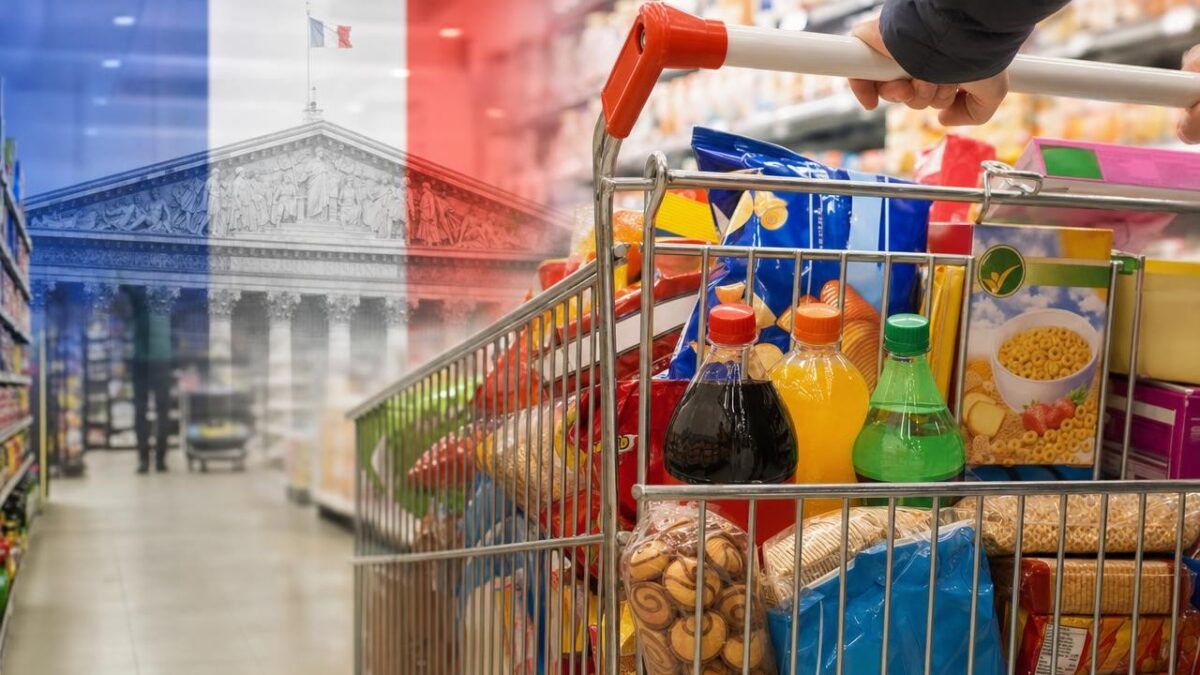
At the heart of the Social Security financing bill for 2027, an article crystallized Thursday, October 22, the tensions between public health and purchasing power. By 86 votes to 58, deputies deleted from the text a new nutritional tax targeting very sugary foods. For agri-food manufacturers, who have been on the rise for weeks, this is a first respite, while the government wanted to make it a flagship instrument against chronic diseases linked to sugar.
This tax on sweet productsdesigned on the model of the “soda tax”, was to target prepackaged processed products those richest in sugar – biscuits, industrial cakes, pastries, breakfast cereals, ice creams, sweets. The government expected approximately 300 million euros of recipes, focusing mainly on a reformulation of recipes. But this rejection remains provisional: the adoption of the Social Security budget at first reading seems very uncertain and the text will still have to be debated in the Senate, where the tax could return in a similar or modified form.
Tax on sweet products: a first setback in the Assembly
On Thursday, the deletion amendments were adopted during the examination of the Social Security Budget 2027. The Republicans and the National Rally, joined by their Ciottist allies, voted to delete the article creating the tax. The MoDem, La France insoumise, the socialists, ecologists and LIOT deputies defended its maintenance, while Renaissance and Horizons were divided, revealing hesitations within the presidential majority.
For opponents, the risk is first and foremost social. Les Républicains MP Justine Gruet judges that the tax is “not sufficiently” dissuasive “to bring about a change in consumption” and “will strain the purchasing power of our fellow citizens”. The National Rally also highlights the fragility of Social Security financing based on taxes linked to consumption, considered too variable from one year to the next.
What the tax on sweet products should change
In the initial copy of the PLFSS, the tax targeted the sweetest “prepackaged processed products”, such as pastries, biscuits, industrial cakes, breakfast cereals, ice creams, cereal bars, confectionery or chocolate products. A tiered system was to make the levy higher when the added sugar content increases, to encourage brands to reformulate.
For MoDem deputy Cyrille Isaac-Sibille, “This article is to prevent the occurrence of new patients”, in particular in the face of diabetes and cardiovascular diseases.
The issue is particularly important among the youngest. According to the National Food Safety Agency (ANSES), 75% of children aged 4 to 7 exceed the recommended sugar consumption benchmarksindicate the associations, which signed the open letter last week “Sugar tax, don’t let manufacturers have a right of veto on a public health measure!”
Why the tax on sweet products is not yet buried
Faced with criticism, the Minister of Health Stéphanie Rist assured that, for a packet of cakes, the tax would represent less than eight euro cents, and only “if the manufacturer refuses to lower its quantity of sugar just a little. So no, it’s not a subject of purchasing power“. The vote remains far from final: the budget must still continue its parliamentary journey and the tax could be reintroduced in the Senate or during a later stage of the debate.