
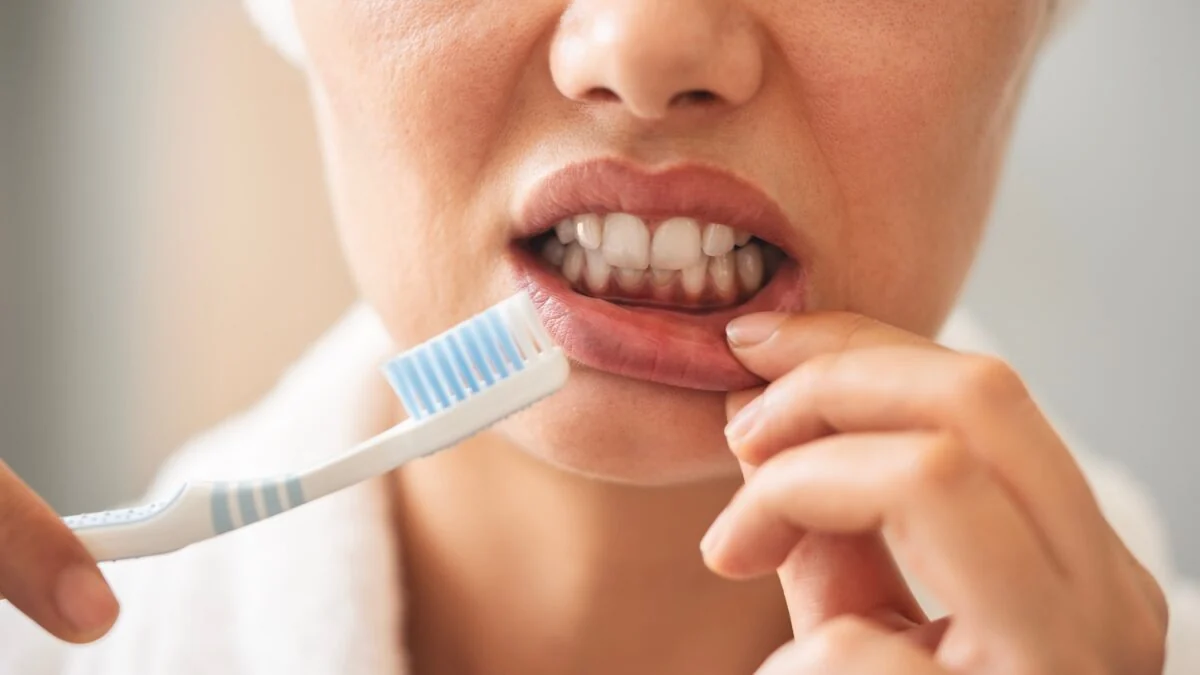
A little blood on the toothbrush, and the reflex comes quickly: avoid the area, brush less, or even stop for a few days.to let it heal.”. This is understandable, but it is not necessarily the right path. Bleeding gums should not be abandoned for cleaning : it especially deserves that we understand why.
The useful message is simple: we continue to brush our teeth, but more gently, with suitable equipment. And if the bleeding repeats itself, is accompanied by other symptoms or leaves you in doubt, you must make an appointment with a dental surgeon.
Why does a gum start to bleed?
The most common cause is gingivitis, that is to say inflammation of the gums. According to Health Insurance, it is often caused by dental plaque, this deposit composed in particular of bacteria which accumulates on the surface of the teeth and at the gum level. If not removed regularly, it can irritate the tissues.
In this context, stopping cleaning the area because it is bleeding can continue the problem: the less you clean, the more plaque can accumulate. The objective is therefore not to scrub harder, but to regain regular, gentle and effective hygiene.
Be careful, however: bleeding is not automatically simple gingivitis. Brushing too vigorously, a brush that is too hard, local irritation, more advanced periodontal disease or certain medications can also intervene. This is why it is better to avoid self-diagnosis, especially if the bleeding returns.
How to continue brushing without being aggressive?
The recommendation is clear: continue brushing gently. Sensitive gums do not need to be “stripped”. Use a soft toothbrush, use small, controlled movements and avoid pressing hard. The feeling of “cleaning well” should not be confused with vigorous scrubbing.
Cleaning between teeth also matters. Dental floss, interdental brushes or other tool: the right choice depends on the space between your teeth, your dexterity and your oral situation. The safest thing is to ask your dentist to show you the appropriate actions, rather than insisting with a poorly used accessory.
In this approach, a mouthwash does not replace the examination by a dental surgeon. It can sometimes be integrated into care recommended by a professional, but it does not, on its own, allow us to know why the gum is bleeding. It also does not remove tartar when descaling is necessary.
When should you consult without waiting for it to settle?
Isolated bleeding after particularly vigorous brushing may occur. But in case of repeated bleeding, associated symptoms or doubtmake an appointment with a dental surgeon. This is also the case if your gums are red, swollen, sensitive or painful.
Other signs should not be left lying around: persistent bad breath, a feeling of receding gums, more sensitive teeth or a tooth that seems to be moving. Without concluding that you have periodontitis, these symptoms warrant an examination. The professional will be able to find the cause, check the condition of the gums, assess the presence of plaque or tartar and offer the necessary care.
One point deserves particular attention: always report your treatments. This is especially important if you are taking a blood thinner. These medications can cause or increase bleeding, but they should never be stopped on your own initiative. Especially if the bleeding is unusual, heavy or associated with other signs of bleeding, notify the dentist and the doctor who is treating you.
The right reflex is therefore neither to ignore blood nor to give up brushing. Continue cleaning, more gently and with a soft brush, then have the situation checked if the signal returns: bleeding gums are often an early warning, not a reason to let plaque gain ground.