
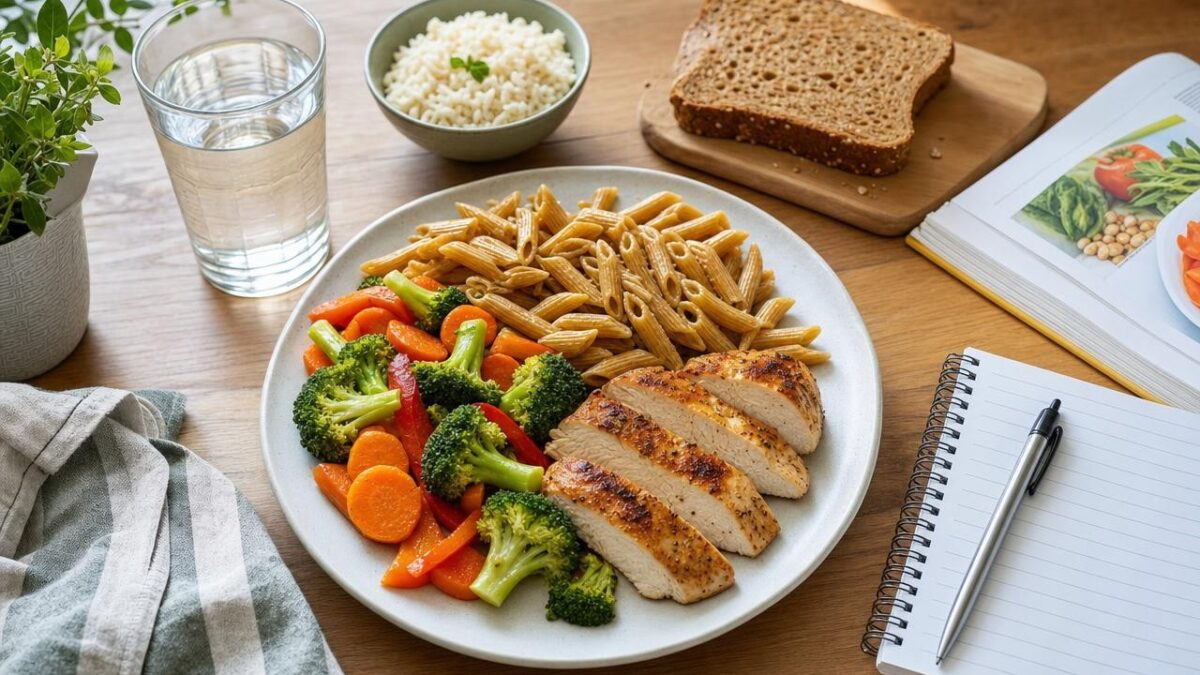
Cutting out bread, pasta or rice often becomes the first reflex when we want to avoid gaining weight. In France, many still associate starchy foods with excess pounds, while health authorities classify them among the foods to consume every day. Behind this habit of eliminating starchy foods, it’s allmeal balance which can get complicated.
According to Health Insurance via ameli.fr, starchy foods and dried vegetables provide
complex carbohydratesplant proteins, vitamins and fibers which contribute to the proper functioning of the body. Severely reducing these foods increases hunger and
snacking. European recommendations, relayed by theEFSA and the European Food Information Council EUFICgo in the same direction.
Eliminate starchy foods: what this changes for your satiety
THE starchy foodsthese are bread, pasta, rice, semolina, potatoes, but also legumes such as lentils or chickpeas. According to Health Insurance, these foods are rich in complex carbohydrates which provide progressive energy to the brain and muscles, but also in plant proteins, B group vitamins and fiber. It is recommended to eat it every day.
When they are almost completely removed, the plate is often filled with vegetables and meat but leaves a quick impression of hunger. Alexandra Murcier, dietician-nutritionist, describes that this lower carbohydrate density leads many people to feel hungry more quickly, then to snack on cheese, bread alone or sweet products. It is then these fattier or sweeter additions that increase the calories.
“Eliminating them is therefore not a good idea, because starchy foods provide energy in the long term. If we remove them, a drop in energy is felt, accompanied by sweet cravings. I therefore recommend not eliminating them and choosing them whole, to avoid variations in blood sugar levels. Whole starchy foods will in fact increase the feeling of satiety and reduce insulin production – the cause of fat storage.
declares Alexandra Murcier.
Starches, calories and weight: what EFSA, EUFIC and ANSES say
For the European Food Safety Authority
EFSAcarbohydrates should make up about 45-60% of total energy intake, with at least 25g of fiber per day. The European Food Information Council EUFIC recalls that weight gain occurs especially when calories consumed exceed those expended, regardless of the specific food that provides them.
French data from theHANDLES and theINCA 3 studyrelayed by Nutripro, show that adults already obtain on average 47% of their energy from carbohydrates. A significant portion comes from simple sugars, between 12 and 21% depending on gender. Removing starchy foods without reducing sugary drinks, cookies or desserts therefore amounts to depriving yourself of good carbohydrates while keeping the less interesting ones.
Keeping starchy foods without gaining weight: simple daily guidelines
Health Insurance reminds that starchy foods do not make you gain weight when they are consumed in reasonable quantities and prepared without excess fat. The real problem often comes from creamy sauces, large quantities of butter or deep frying. Choose complete or unrefined versions, regularly integrate
legumes and systematically combining vegetables, proteins and starchy foods helps you stay full longer.