
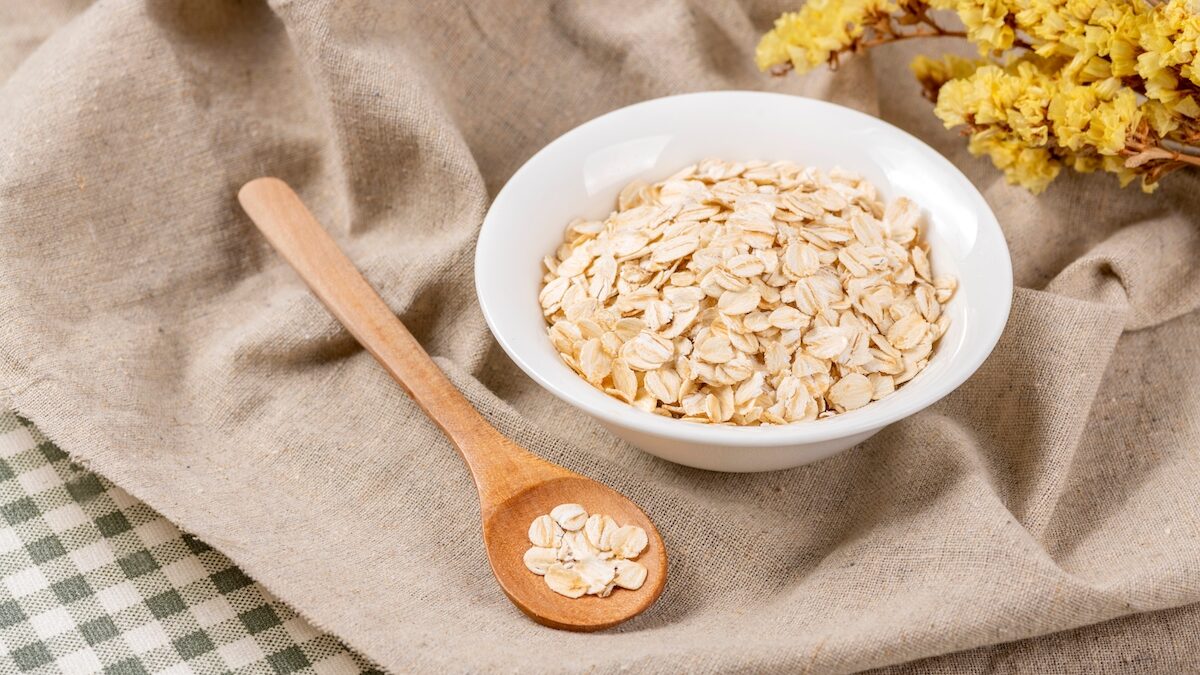
Flakes for breakfast, porridge, granola: if oats have invaded the bowls, it is thanks to its beta-glucan, a soluble fiber praised for the heart and blood sugar levels. Health Canada and the European Food Safety Authority estimate that around 3 g of oat beta-glucans per day can reduce LDL cholesterol by approximately 5 to 8%.
How beta-glucan in oats works on cholesterol and blood sugar
On Instagram, doctor Isabel Viña recalls that “oats contain a high amount of soluble fiber, especially beta-glucan“, a fiber which she explains that it “helps reduce excess cholesterol, excess triglycerides and, at the same time, helps regulate blood sugar, making it a very interesting food to address the different metabolic aspects“.
Beta-glucan is a viscous soluble fiber that swells in the intestine and forms a gel. This gel slows down the absorption of cholesterol and certain sugars, which reduces the quantity that passes into the blood. Three to five tablespoons of oatmeal or oat bran generally provides the dose used in studies showing lower total cholesterol and LDL cholesterol.
For blood sugar, the message is more nuanced. European authorities only accept a claim if a meal provides around 4g of beta-glucans per 30g of available carbohydrates, which is a lot of whole oats. Many oat-based biscuits or drinks provide less, and certain manufacturing processes reduce the viscosity of beta-glucan, and therefore its effect on the glycemic peak.
Oats, fiber and beta-glucan: what impact on the colon and the long term?
For the prevention of colorectal cancer, it is above all the overall intake of dietary fiber that counts. Isabel Viña recalls that “ten grams of fiber per day has been shown to reduce the incidence of colon cancer by 10%“. A large meta-analysis published in the BMJ finds a similar order of magnitude, with approximately 10% less risk per 10 g of fiber added daily.
Oats help increase fiber because they provide soluble and insoluble fiber. When we choose it little transformed, Isabel Viña speaks of “a wonderful food“. She recognizes that “there are none strictly similar“, although quinoa, millet or buckwheat remain useful for variety, especially on a gluten-free diet.
How much oats to consume and what precautions with beta-glucan?
To approach 3 g of beta-glucans per day, we generally aim for 3 to 5 tablespoons of oat flakes or bran, depending on the brand. Isabel Viña recommends soaking or cooking oats, or combining them with yogurt or kefir. Increasing the quantities in stages and staying well hydrated limits bloating and gas.
Last point, gluten. Oats do not contain them naturally, but are often contaminated during growing or processing. People with celiac disease should therefore choose oats bearing the official “gluten-free” logo.
For medicinal treatments, it is better to space out the intake of oats, because the fibers can reduce the absorption of certain tablets and supplements.