
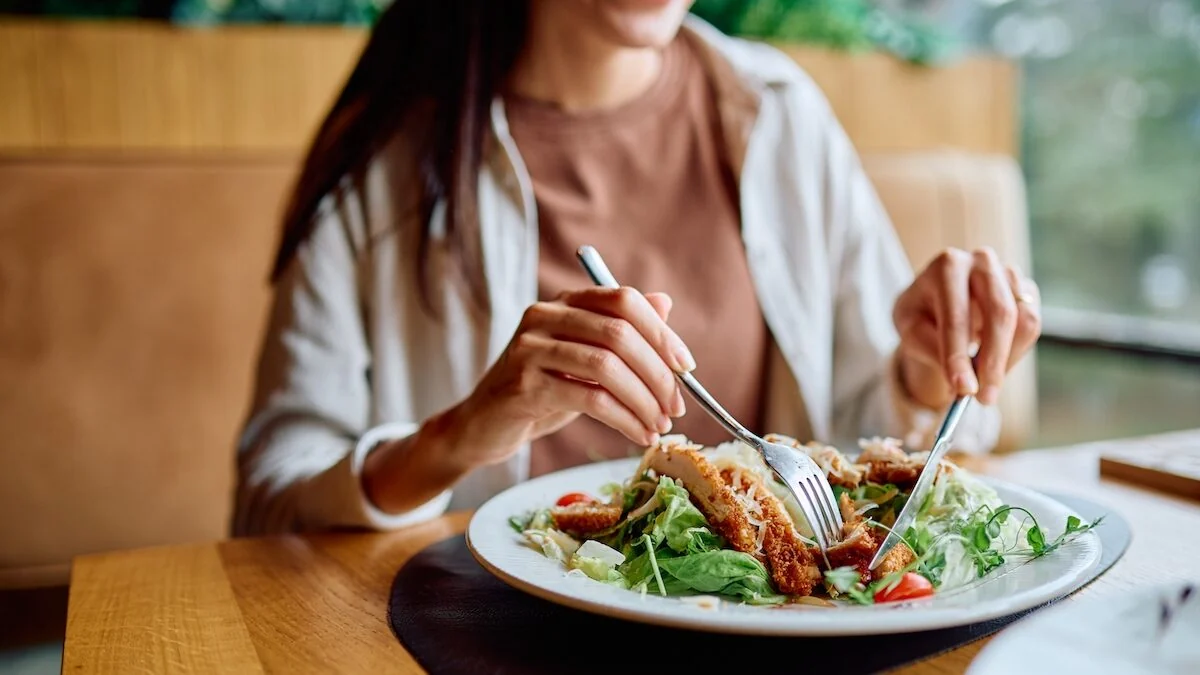
In recent years, the intestinal microbiota has appeared everywhere, from social networks to medical consultations. Behind this word, there are billions of bacteria that live in our digestive tract and influence our energy, our mood and even inflammation in our body. For a British genetics professor, these microbes are so active that they function like little chemical factories that transform what we eat into thousands of useful substances. Good news: this specialist ensures that four very simple actions, within reach of our plates and our meal times, are already enough to nourish them better.
The second brain of our body
In the columns of The IndependentTim Spector, British geneticist, who describes the intestine as “our second brain“and the judge”really, really important for our mood and energy“.
He recalls that the microbiota finds itself unbalanced in many chronic diseases and that “no matter how bad your diet has been, you can still improve your microbiota at any time of life“.
Plants and timing, the right duo!
First step: aim for at least 30 different plants per week. Tim Spector explains that “people need to relearn what a plant is“.”It can be a vegetable, fruit, nut, seed, herb, spice – all of which are concentrated forms of plants – coffee counts, as does dark chocolate“. In this calculation, colors count: a red pepper and a yellow pepper already make two plants, just like hazelnuts and walnuts.
Second gesture: adopt “time-restricted eating”, that is to say, eat over an 8-hour window and leave around 16 hours without caloric intake. For Tim Spector, “leaving time at night is good for your gut, and reduces inflammation and stress on the immune system“. He warns that a dinner at 9 p.m. followed by breakfast at 6 a.m. “means your intestinal wall hasn’t had a chance to be properly repaired“, leaving a mucous membrane”uneven and a little inflamed“.
Aim for specific foods
Third gesture: introduce fermented foods daily, for example sauerkraut or kimchi. Tim Spector describes homemade sauerkraut, with chopped cabbage and about 2 percent salt, as the easiest option to make and slip into a salad.
Fourth step: increase dietary fiber through beans, lentils, chickpeas, quinoa or bulgur. Tim Spector considers pasta more interesting than rice for fiber and recalls that brown bread from the supermarket can simply be colored, without any additional input.