
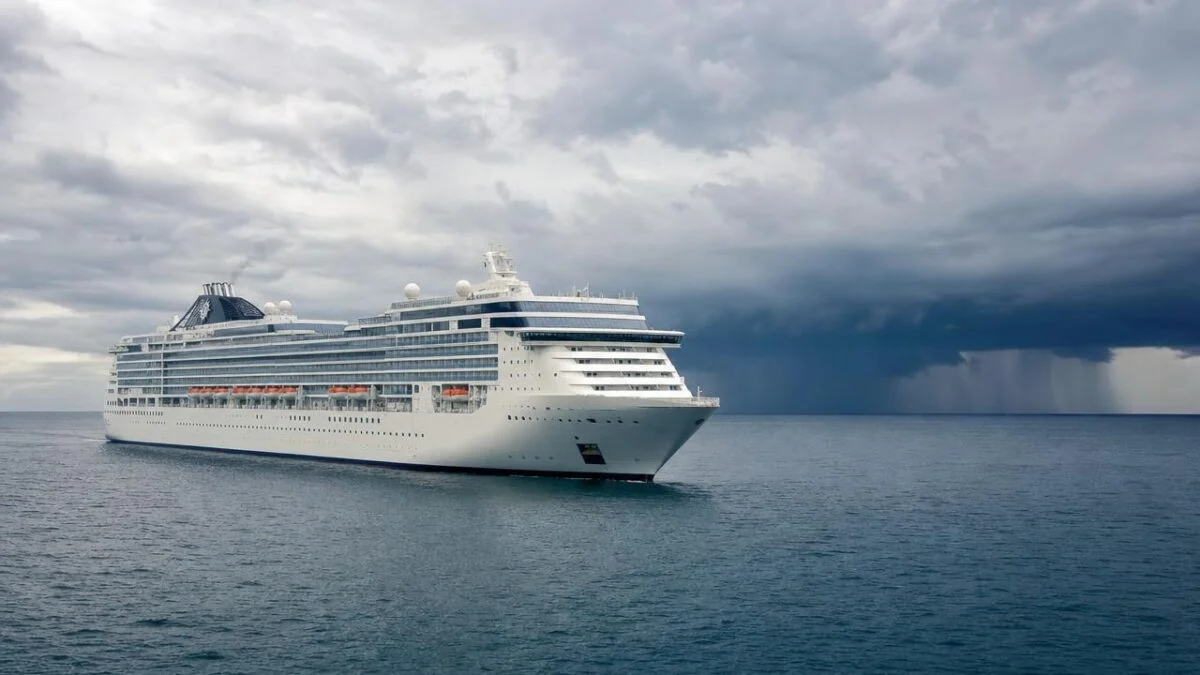
Norovirus, particularly contagious, is regularly involved in cruise epidemics. Promiscuity, shared spaces and exposed food: several factors facilitate transmission. Dr Gérald Kierzek, medical director of True Medical, explains the precautions to take.
148 people sick: what happened on board the Caribbean Princess
A cruise in the Caribbean must have been synonymous with a change of scenery. For some travelers from Caribbean Princessit will have been mainly marked by digestive disorders. Departing from Fort Lauderdale, Florida, on November 11, 2026, this Princess Cruises liner recorded
148 people sick during his twelve-night crossing.
In its report, the American Center for Disease Control and Prevention (CDC) reports 134 sick passengers out of the 2,936 on board, or 4.6% of travelers. Fourteen out of 1,132 crew members also reported symptoms.
The manifestations reported are mainly vomiting and diarrhea. Important clarification: the 148 cases correspond to the total number of people sick during the crossing, and not to this many people suffering simultaneously.
Faced with the situation, the company isolated sick people, strengthened cleaning and disinfection and collected stool samples to identify the responsible agent.
At this point, the origin of the episode is unknown.
A particularly worrying situation for the elderly, young children and fragile travelers, who are more exposed to complications linked to dehydration.
Why do viruses circulate so easily on liners?
Behind the comfort of cruises, a health reality remains: several thousand people share the same restaurants, elevators, swimming pools and leisure areas for days. An environment favorable to the circulation of infectious agents, as Dr Gérald Kierzek emphasizes: “On a liner, several thousand passengers live behind closed doors, sharing the same confined spaces, restaurants, cabins, elevators, performance halls…”.
Among the main suspects in digestive epidemics is the
norovirusparticularly contagious. It causes vomiting, diarrhea, abdominal pain and sometimes fever. According to the CDC, symptoms typically appear between 12 and 48 hours after exposure.
The virus is transmitted by direct contact, through contaminated food or water, but also through contaminated surfaces. It may remain contagious after symptoms disappear.
THE Caribbean Princess had already experienced a norovirus epidemic between April and May 2026, which affected around 160 passengers and crew members. However, there is nothing to establish a link between the two episodes or to incriminate this virus in the current situation.
Buffets, seafood, salads: foods that call for vigilance
It’s hard to imagine a cruise without its generous buffets. However, certain preparations require special attention, particularly when their conservation is not impeccable.
Dr. Kierzek warns against raw oysters and clams, sushi, scrambled eggs kept warm, deli sandwiches or salads made with mayonnaise.
The problem is mainly due to the storage temperature. The doctor reminds: “Inadequate temperature, particularly between 4°C and 60°C, promotes microbial growth. The more time passes after preparing or opening a food, the greater the risk of it going bad.”.
And appearance is not always enough to reassure oneself. “We don’t always see or feel when the food is turning. It may appear normal but already contain millions of bacteria.”he warns.
To limit the risks, it is better to favor dishes served hot, cooked seafood and preparations made to order.
Dr. Kierzek’s tips for avoiding getting sick on a cruise
Faced with the risk of infection, a few simple actions can make the difference. The first is hand washing.
The CDC recommends washing your hands thoroughly with soap and water for at least 20 seconds, especially before meals and after using the bathroom. The hydroalcoholic gel can be used in addition, but does not replace this wash against norovirus.
Dr. Kierzek recommends a rigorous routine:
- Wash your hands frequently and properly. That is, using soap for 30 seconds, especially before eating, after using the toilet or in shared areas. Otherwise, keep hydroalcoholic gel on hand!
- Don’t touch your face. The eyes, nose and mouth are the ideal entry points for microbes;
- Choose your cabin wisely. Opt for a room with exterior ventilation, avoiding air recycling;
- Avoid crowded buffets.Prefer off-peak hours or table service, which is more hygienic;
- Hydrate yourself and boost your immunity.
Drink 1.5 L of water per day, stock up on vitamin C, zinc, and rest; - Prepare an emergency health kit.
Basic medications (antidiarrheals, paracetamol), FFP2 masks, disinfectant wipes; - Isolate yourself at the first symptoms. In case of fever, diarrhea or cough, go immediately to the boat’s infirmary.
This precaution also protects other travelers. The CDC recommends remaining isolated for 48 hours after symptoms disappear to limit contamination.
But when several thousand people share the same spaces, individual hygiene also becomes a collective responsibility. These few precautions can prevent the vacation from turning into a bad memory.
Essentials for travel
Finally, to leave with peace of mind and leave your worries behind, Dr. Kierzek recommends some essential health essentials to slip into your luggage:
- Hydroalcoholic gel;
- FFP2 masks (in case of high viral circulation);
- Probiotics (for the intestinal flora);
- Thermometer (to quickly detect a fever);
- And for fragile people: consult your doctor before leaving.
“Cruises remain a unique travel experienceprovided that you do not neglect hygiene rules. A simple virus can ruin several days of vacation… or contaminate an entire ship. Anticipate, protect yourself and react quicklythis is the key so that the dream does not turn into a floating nightmare” concludes Dr. Kierzek.