
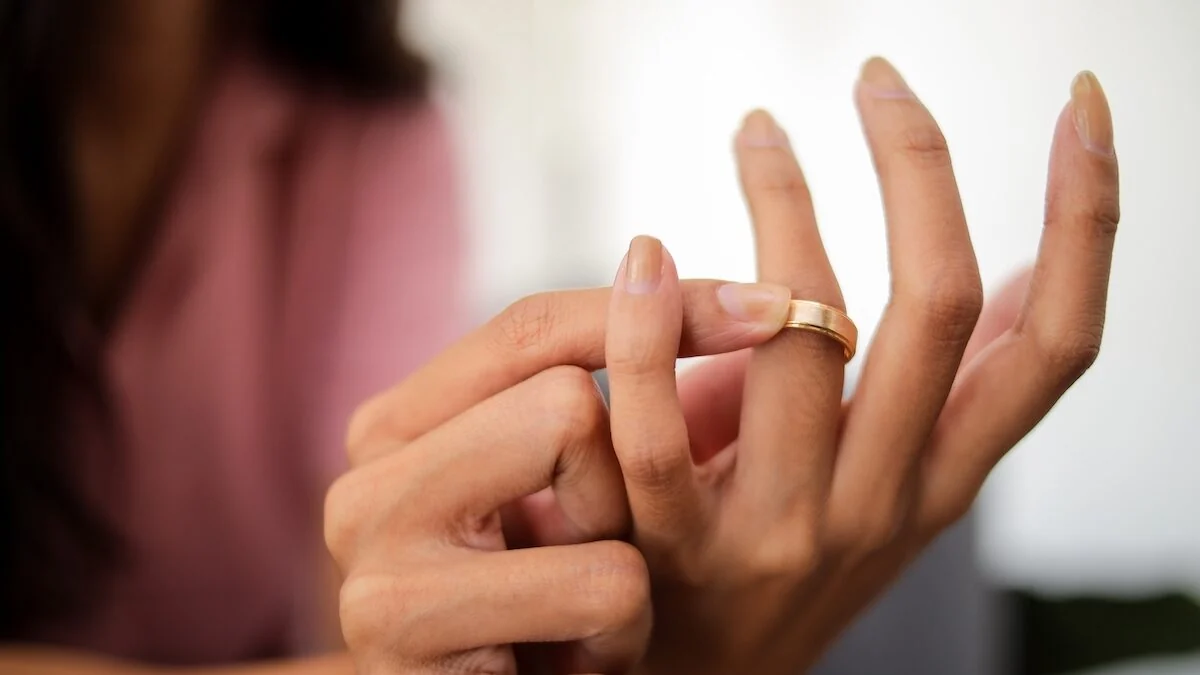
In a romantic relationship, autonomy is often seen as a quality. Being able to organize your days, manage your problems alone, is reassuring. But pushed too far, this autonomy can close the door on the couple. When we learn early to fend for ourselves, we sometimes keep this armor all our lives.
Psychologist Mark Travers describes this armor as hyper-independence in a relationship. In Psychology Todayhe writes that “hyper-independence often manifests as an intense reluctance to seek help, rooted in a fear of vulnerability“.
3 signs that your hyper-independence is complicating the relationship
First sign: you almost never ask your partner for help. Even exhausted, you repeat internally “I manage” and you are afraid of “burdening” him like a burden. Mark Travers describes people who systematically keep their worries to themselves, so as not to disturb or appear weak. This reflex often comes from parental support experienced as unpredictable, which made self-sufficiency safer than proximity.
Second sign: you put up an emotional wall as soon as things get serious. You share the good times, but your fears, your anger or your hurts remain off-camera. A summary published in Current Opinion in Psychologyco-written by Jeffry A. Simpson and W. Steven Rholes, shows that under stress people with avoidant attachment cut themselves off from their partner rather than seeking support.
Third sign: your boundaries are so rigid that the couple takes second place to your projects, your hobbies and your routines, to the point that every compromise seems intrusive.
Hyper-independence and attachment: why you have become too independent
These reactions have a history. Attachment theory reminds us that our way of loving is anchored in early childhood. In Jeffry A. Simpson’s study, 75 children were followed from birth to adulthood. The researchers showed that the quality of the bond with the mother between 12 and 18 months predicted the way of managing romantic conflicts almost twenty years later.
When adults have been unavailable or unpredictable, hyper-independence becomes a survival strategy, not a whim.
Tools like the Fear of Intimacy Scale show the extent to which proximity can trigger anxiety in certain people.
How to remain independent without fleeing the intimacy of a couple?
To relax this reflex, Mark Travers advises testing “low-stakes” requests and sharing one emotion per week.
If loneliness persists, psychological monitoring focused on attachment can help.