Also known as non-diabetic hyperglycemia, prediabetes is a condition where blood sugar levels are higher than normal but not yet high enough to be diagnosed as type 2 diabetes.
How to diagnose prediabetes?
Prediabetes particularly affects people who are obese or over the age of 45. In France, it is estimated that 6 to 7% of the population would be affected. “The only way to know if you have prediabetes is to ask your GP for a routine blood test” explains Dr David Cavan, endocrinologist responding to The Telegraph.
“Because when you have prediabetes, you have blood sugar levels that are slightly higher than normal, but nowhere near high enough to cause symptoms, like being very thirsty, tired, or urinating often“.
Is it possible to reverse prediabetes?
According to the expert, the prediabetic person does not need medication or exercise. “The most important thing is for patients to change their diet. Doing so is a powerful treatment for prediabetes and can reverse it, in many, many people.” assures the endocrinologist.
Expert recommendations suggest a diet low in sugars, starchy foods and refined grains, favoring lean meat, vegetables and legumes.
What foods are recommended and which foods to avoid?
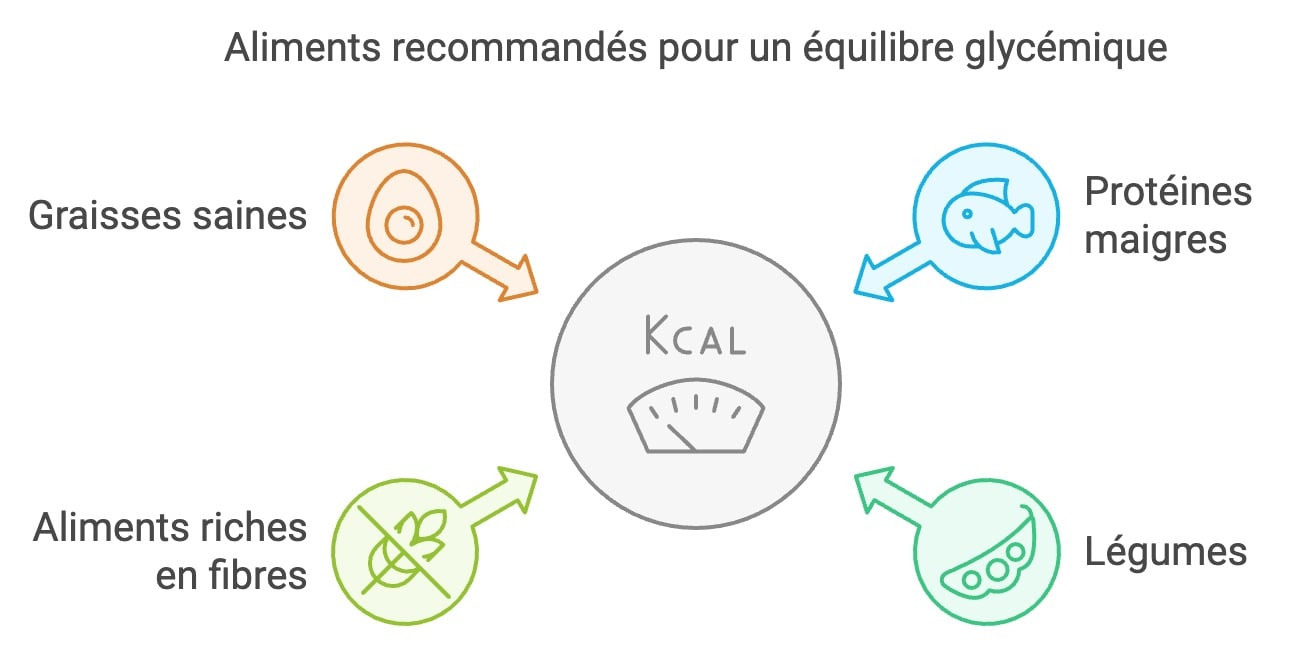
To help balance your blood sugar, the doctor recommends the following foods:
- Lean proteins : like fish, eggs, dairy products (cheese, milk, yogurt, etc.) but also legumes (lentils, chickpeas, etc.) and tofu;
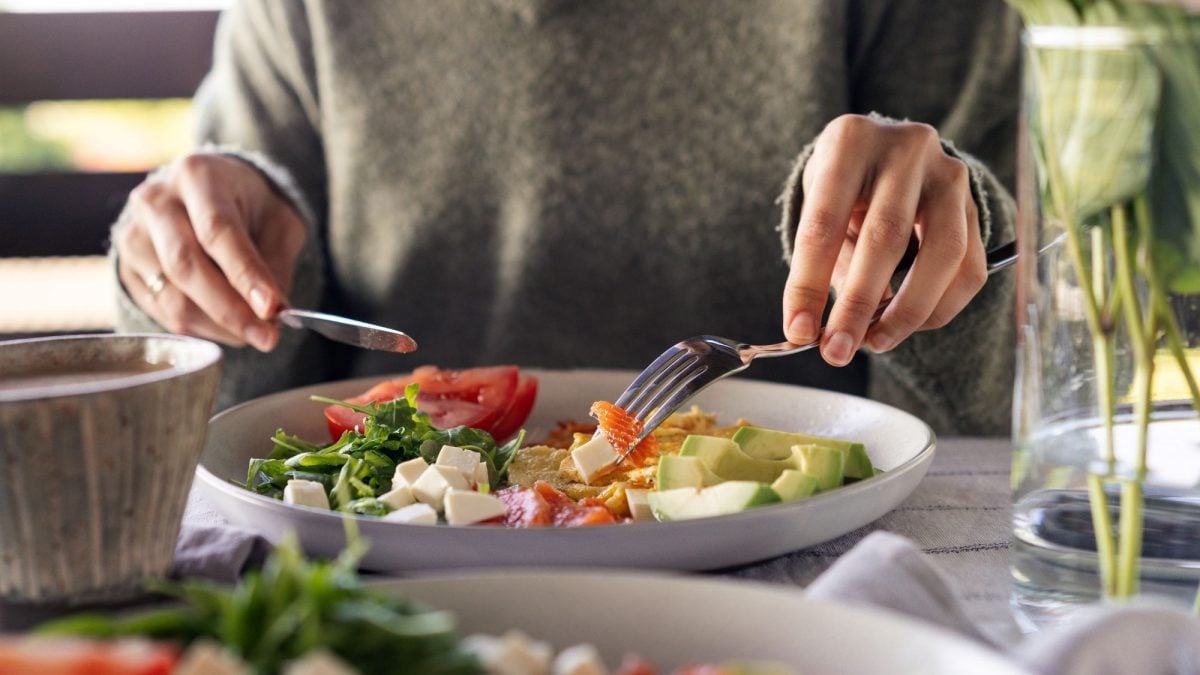
- Vegetables : the endocrinologist recommends focusing on a plate containing vegetables (at least two different ones) to combine with proteins. He particularly recommends green leafy vegetables, such as spinach, salad, cabbage, etc.;
- Foods rich in fiber, like beans and whole grains, like buckwheat, quinoa and barley;
- Healthy fats found in olive oil, avocado, fatty fish, seeds such as flax or chia.
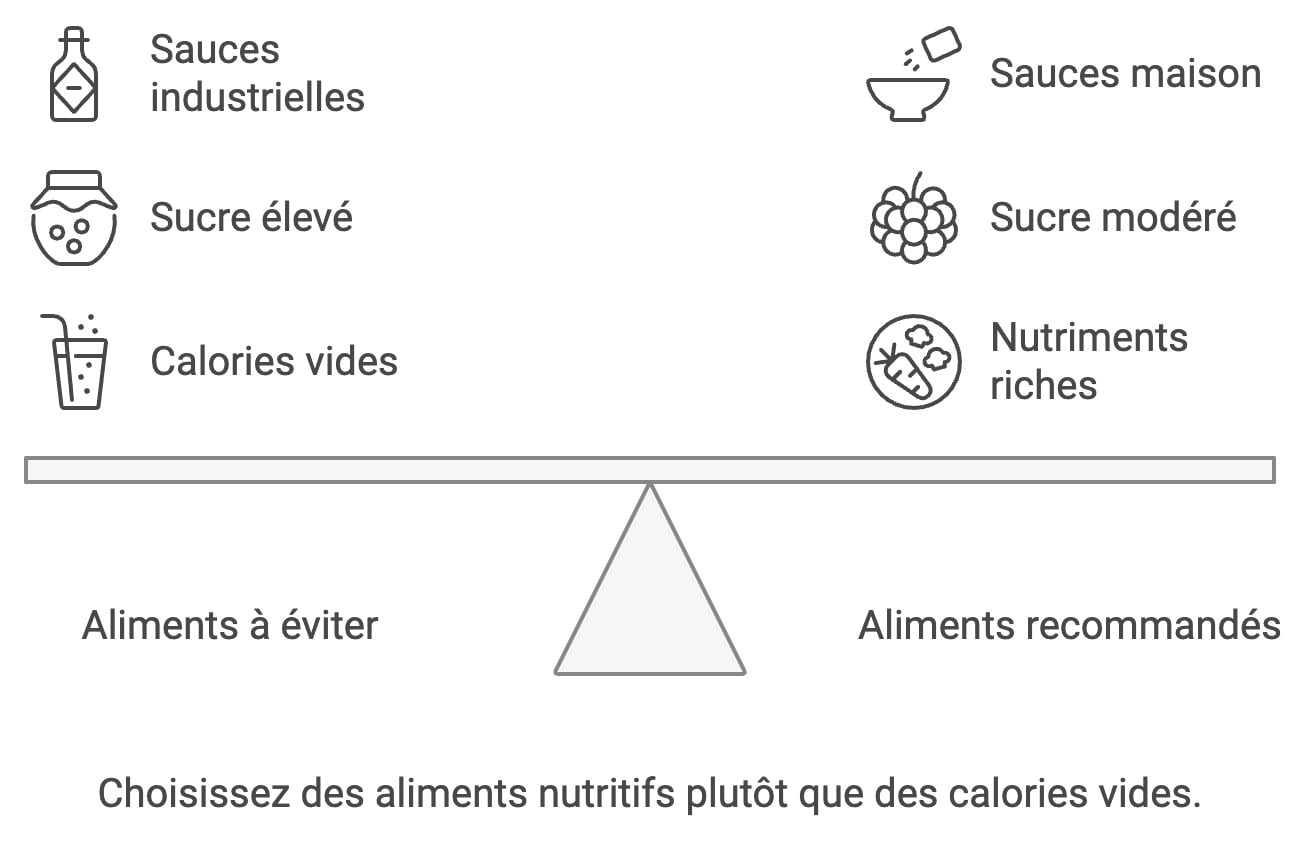
On the contrary, the drinks and foods to avoid are those belonging to the processed food category. Juices, sodas and alcohol are empty calories, reminds the doctor.
Also, he advises to “make water your main drink and consume alcohol in moderation“. He also warns against smoothies, which we think are healthy but which can provide significant amounts of sugar.
The endocrinologist also recommends avoiding industrial sauces, flavored yogurts, and refined sugars found in commercial cakes and biscuits, but also in breakfast cereals.