
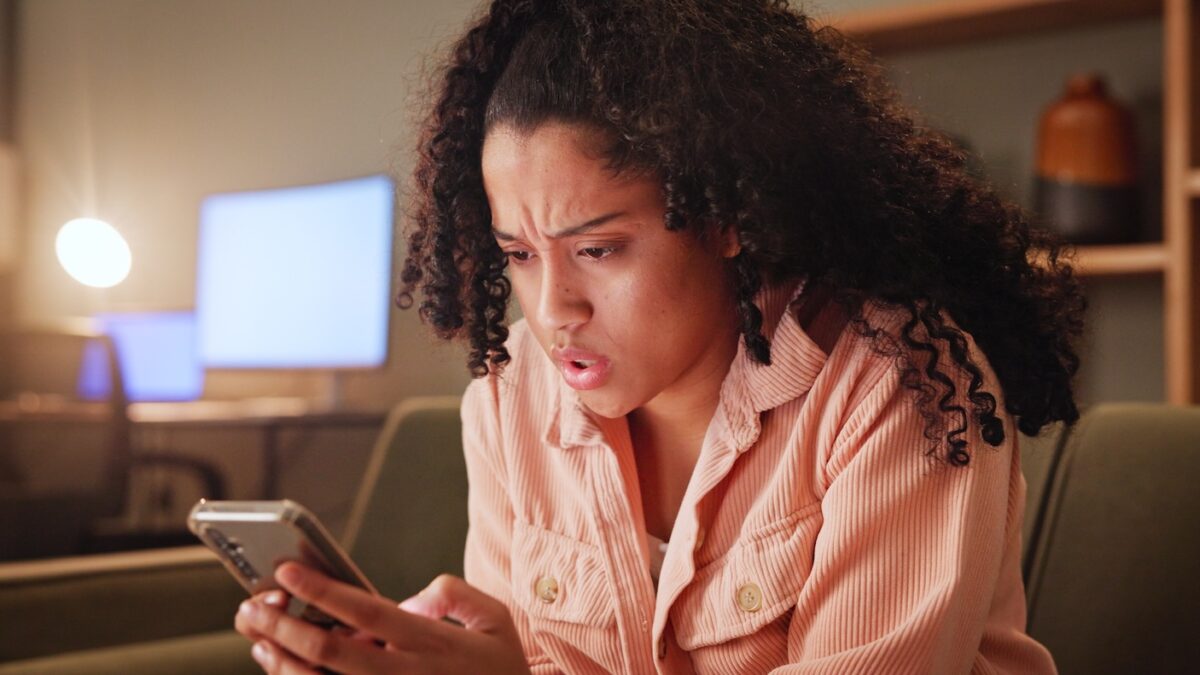
The scene is banal: you scroll through your phone, and a video assures you that an everyday food causes cancer. A few seconds later, the same publication offers a cure supposed to protect you. The tone is urgent, the images are strong, the concern is mounting.
The Ministry of Health announced, on October 21, 2026, the creation of a Health Misinformation Observatory. Its objective: to better identify false information, understand its dissemination, anticipate risks and coordinate responses based on science. But in front of your screen, three reflexes already allow you to slow down before believing, commenting or sharing.
Who is really speaking, and in what context?
A short video often feels like a revelation. However, she can use an old extract, an isolated sentence or an interview taken out of context. Before reacting, the first step is to go back to the original message: who published it first? When ? In which country? About what specific situation?
The date matters a lot. An old alert, reshared today, may suggest a recent discovery. However, in health, knowledge evolves: a hypothesis discussed yesterday may have been confirmed, qualified or abandoned since.
You also have to look at the person who is speaking. A white coat, medical vocabulary or an impressive title are not enough to establish proof. The right question is more specific: Is this person knowledgeable on the exact topic they are commenting on? A health professional can be legitimate in his field without each of his opinions becoming a medical recommendation valid for everyone.
Does the evidence really say what the video claims?
Second reflex: look for the source. A lot of content claims that “a study proves that…” or that “an official body confirms…”. But what study? Published where? On what population? And what does she really conclude?
This is often where the gap widens between the viral message and the scientific data. A result observed in mice does not automatically demonstrate a benefit or a danger in humans. Likewise, two phenomena observed together do not prove that one causes the other: this is the difference between an association and causality.
Fictional example: a video claims that a “new study” would show that a widely consumed drink “gives you cancer”, then invites you to buy a detox cure. By checking, you discover that the study concerns cells in the laboratory, at doses very far from usual consumption, and that it does not conclude that there is a direct risk in humans. The video then transforms experimental data into a general alert.
To avoid being left alone in the face of this sorting, Santé.fr, the Public Health Information Service site, offers decryptions and benchmarks to identify health misinformation. And when a message concerns a medication, treatment or symptom, the advice of a doctor or pharmacist remains the safest guideline.
What promise do we make to you, and what do we ask of you?
The third signal to observe is the promise. A publication which presents a “miracle”, “natural”, “without any risk”, “valid for all” or capable of replacing a treatment solution must trigger particular vigilance. The more dramatic the promise, the stronger and more verifiable the evidence should be.
Another clue deserves attention: is the person selling the product, method, training or program they are recommending? Commercial interest does not automatically prove a claim to be false. But it requires asking for independent evidence, and not just enthusiastic testimonies.
The pitfall of health news is that it often mixes accurate information with an exaggerated conclusion. Yes, diet, physical activity, sleep or stopping smoking influence health. No, this does not mean that a product sold online can prevent or cure a serious illness. And above all, never modify a treatment because of a videoeven very convincing or massively shared.
Before relaying an alert, a minute is sometimes enough to verify the author, the source and the promise. This delay can avoid transmitting unjustified fear, but also prevent a loved one from receiving useful care.