
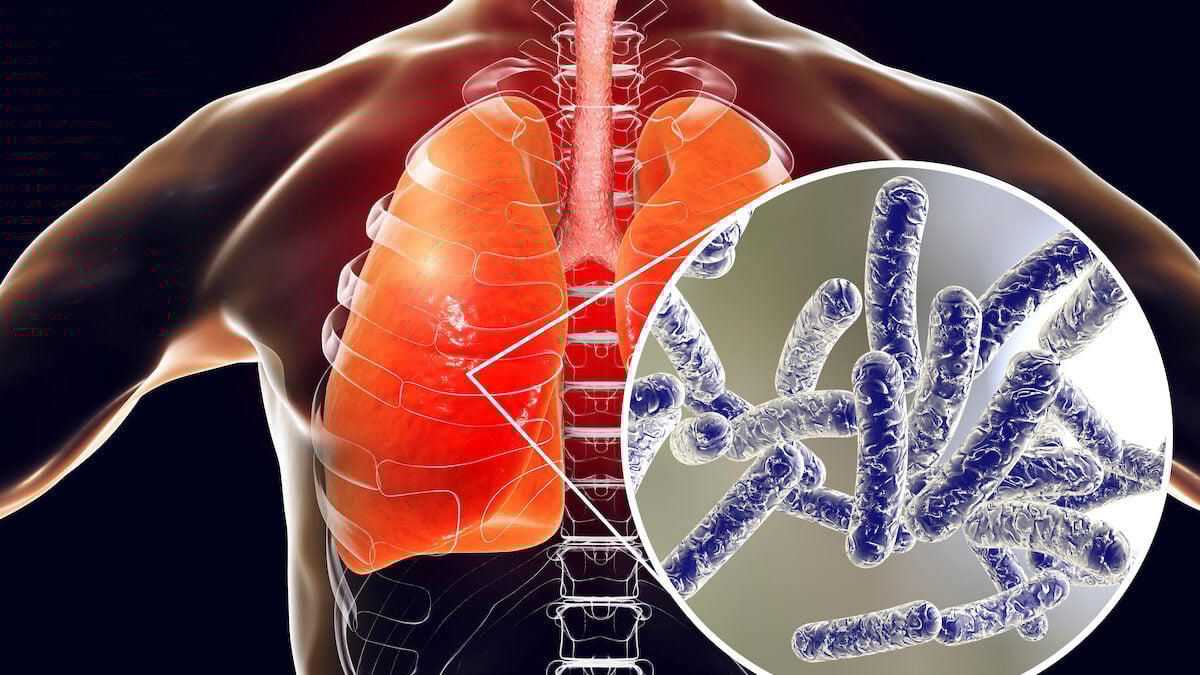
In Albertville, 17 cases of legionellosis, including a death, sowed the trouble. Because this unknown pulmonary infection often resembles covid. But some signs allow you not to be mistaken.
Albertville: When the Legionellosis invites itself into everyday life
Savoy has been facing a series of disturbing infections for a few days: 17 people have contracted the legionellosis in Albertville, and one of them died.
A situation that revives fears around this bacterial pneumonia, favored by water and air conditioning networks.
If this disease questions so much, it is because its first symptoms can be easily merge with those of COVID. Fever, cough, muscle pain, unusual fatigue … Doubt settles quickly.
Covid or legionellosis: symptoms that look alike … but not totally
The two infections share several signs in common, but some details make the difference.
The legionellosis generally declares itself faster, between two and ten days after exposure, and is often accompanied by greasy cough, diarrhea, loss of appetite or mental confusion.
Conversely, the COVVIR is more often translated into dry cough, loss of taste or smell, and ENT symptoms such as blocked nose or sore throat. Its incubation is longer, between two and fourteen days, and its more progressive evolution.
Alert signals that must push to consult
Faced with digestive or neurological disorders that appear quickly, vigilance must be maximum. As Dr. Kierzek explains: “The rapid appearance of legionellosis, associated with digestive or neurological problems, should be an alert signal. On the other hand, COVVI-19 tends to develop more gradually“.
The legionellosis is not contagious, but it remains dangerous for fragile people: over 50 years, smokers, chronic or immunocompromised patients. Its treatment is based on antibiotics, effective when administered quickly.